Putting Automotive Electronics Through the Ringer with Custom Shortwave IR
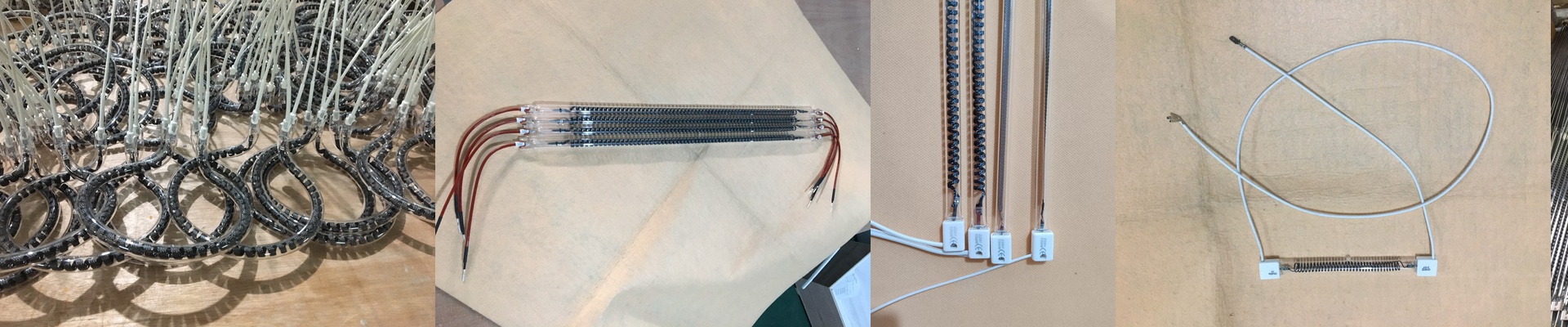
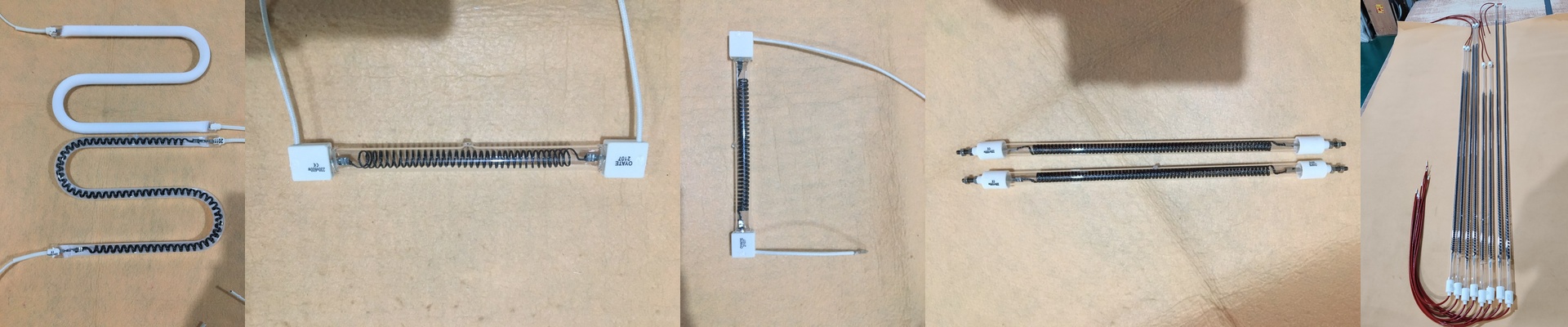
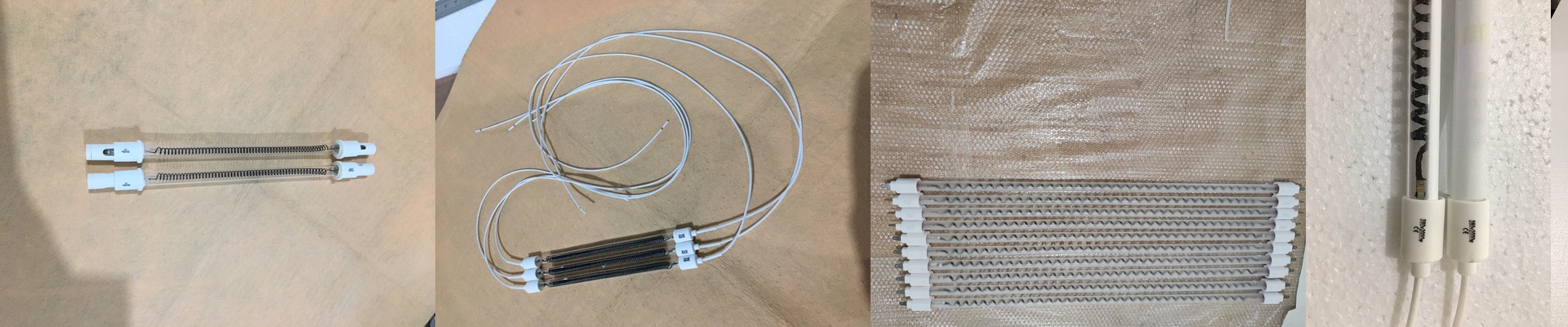
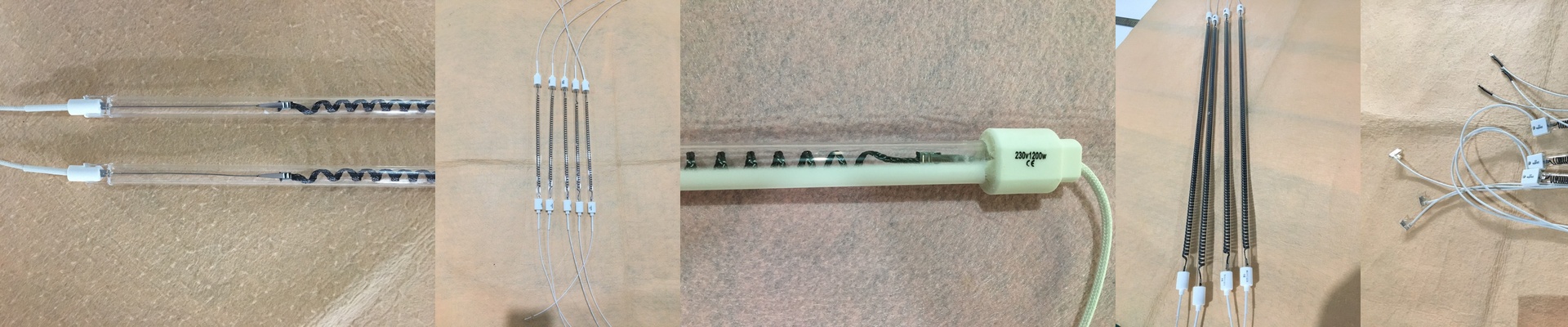
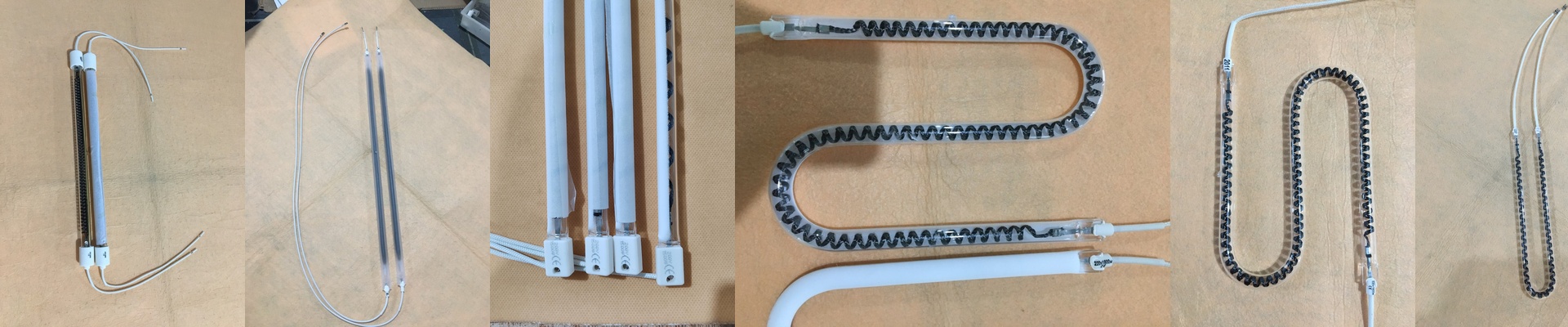
Let’s be honest: the environment inside a modern car is brutal. If you’re mounting a sensor or a control module anywhere near an engine block or an exhaust pipe, you’re basically putting it in a furnace. That’s why we build custom shortwave IR lamps. We aren’t just making “heaters”—we’re helping you recreate that nightmare heat soak so you can find out exactly when your hardware is going to give up the ghost.
Forget the Oven
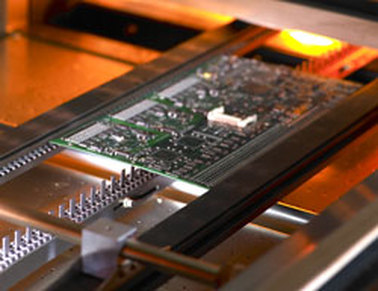
If you’re using a standard convection oven, you’re wasting time. Those things take forever to warm up. We use shortwave IR because it doesn’t mess around. It hits the component surface instantly via radiation. By tweaking the wattage and the length of the tube, we can dial in the exact amount of heat you need. Want to spike a PCB from 25°C to 150°C in a matter of seconds? We can do that. It puts immediate, violent stress on your solder joints and capacitors. It’s the best way to shake out those hidden defects that a slow, steady climb in temperature would just glide right over.
The Nitty-Gritty on Build Quality
We use high-purity quartz for the envelopes. Why? Because when things get this hot, cheap materials warp. Depending on what you’re testing, we can also offer coated options. This is a big deal because it shifts the emission spectrum. Instead of just scorching the outside of an ECU’s plastic housing, the heat actually penetrates inside where it needs to be. And we keep the fit tight. Whether you use R7s or SK15 bases, these are designed to be quick drop-in replacements. No rattling, no mechanical play—just a snug fit in your existing fixtures.
A Few Things to Watch Out For
Here’s the catch: high-wattage lamps pull a lot of current. A lot. Before you plug these in, double-check your power supplies and your wiring gauges. You don’t want your cables melting before your prototype does. Plus, keep an eye on your airflow. If your cooling fans aren’t up to the task, your entire test chamber will overheat, and your ambient data will be useless. To keep things from turning into a campfire, we usually suggest a closed-loop PID controller paired with an optical pyrometer. It’s the safest way to make sure you’re stressing the component without accidentally incinerating it.