Stop Guessing with Your Heat Lamps
For a long time, fixing smart locks has been a bit of a guessing game. You set a timer, hope for the best, and pray you don’t melt the plastic. It’s “blind” heating, and honestly, it’s a nerve-wracking way to work. You’re either under-heating the adhesive—meaning the lock won’t budge—or you’re scorching the PCB. Neither is a great look.
Smart Heat, Not Just More Heat
The new way of doing things is all about feedback. Instead of just cranking up the wattage and crossing your fingers, the system actually watches what’s happening. We’ve started putting thermistors and infrared sensors right in the heating head. Now, the tool knows exactly how hot the lock surface is. If the temperature spikes too fast and threatens to warp the housing, the controller just throttles the power back. No more “burn outs.” No more ruined parts.
The Nitty-Gritty on the Hardware
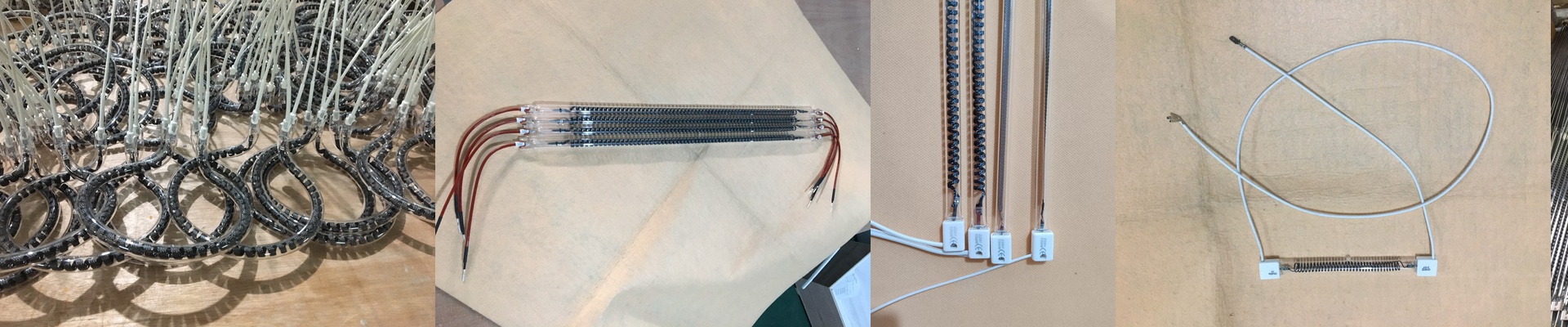
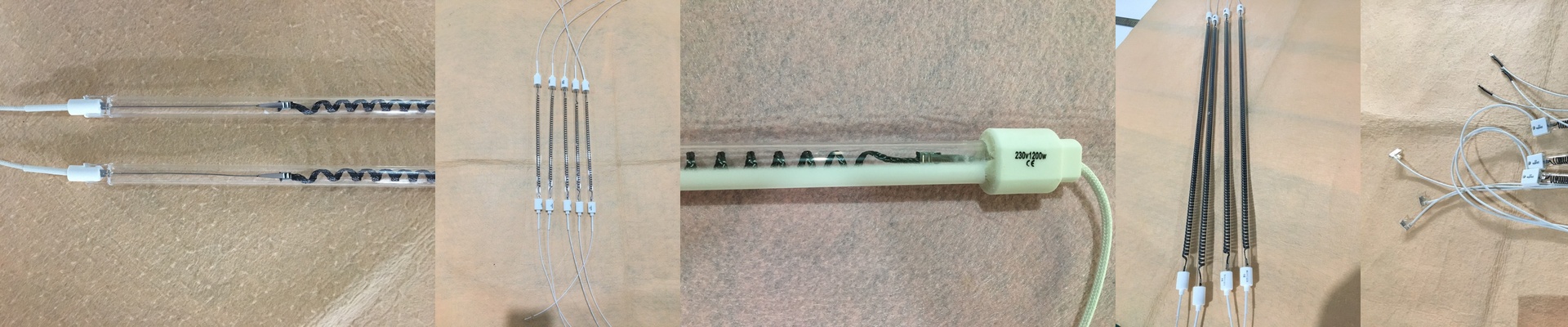
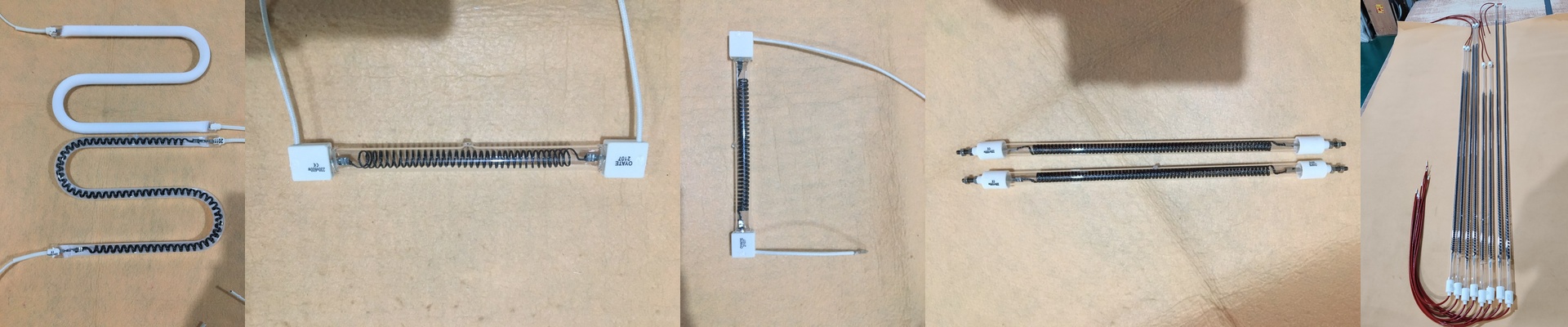
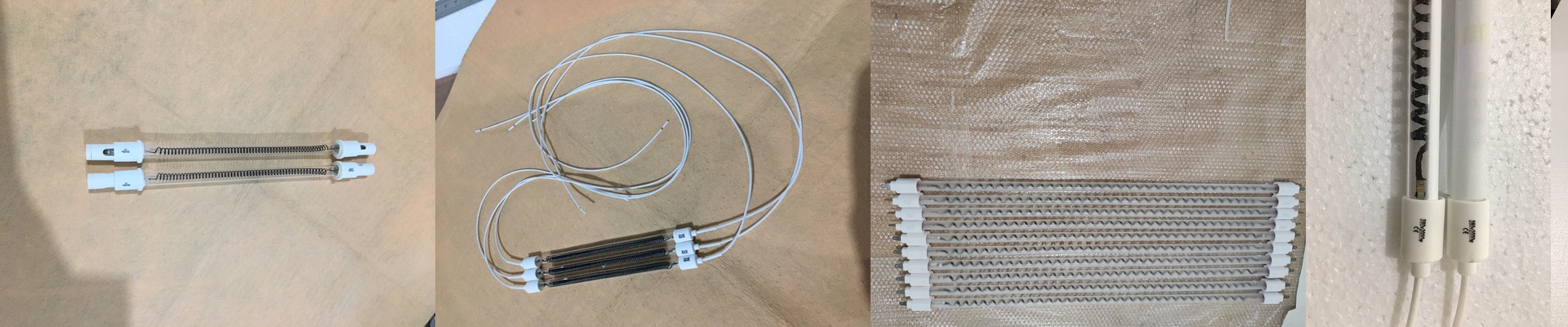
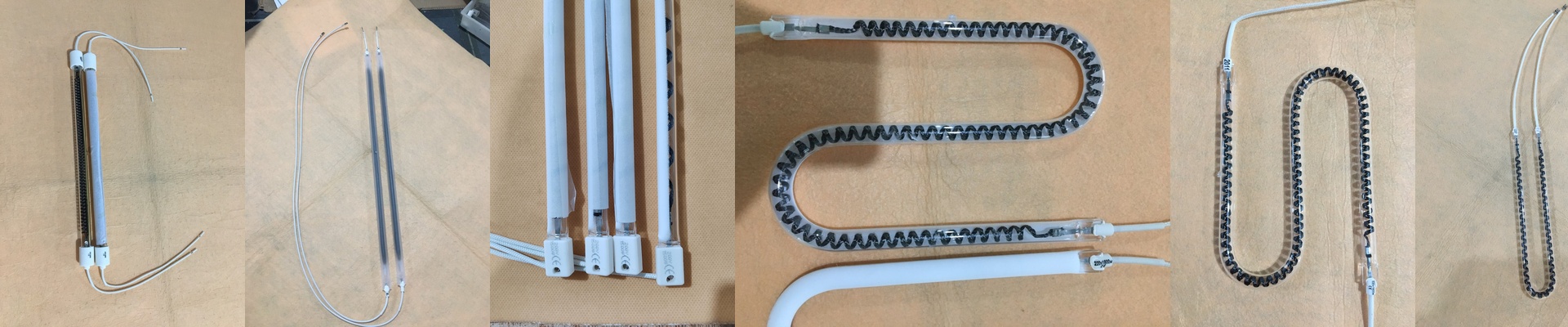
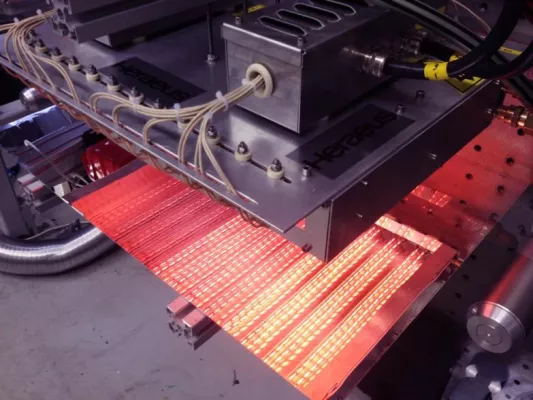
To get those locks open quickly, we use short-wave infrared emitters. They hit the target fast. But there’s a catch. All that intensity creates a lot of waste heat. If you don’t have a solid chassis with a good heat sink or some active cooling, you’ll end up frying your own internal circuits while you’re trying to fix the lock. We also make sure the power supplies have about 20% extra headroom. It keeps things stable so you don’t get those annoying voltage drops when the lamp is working its hardest.
How it Actually Works on the Bench
Imagine wiring this all into one central hub. A lock comes in, you plug it in, and the system runs a quick baseline check to figure out where the failure is before the heat even kicks in. It takes the guesswork out of the equation. Your tech doesn’t have to “feel” if it’s hot enough. The machine just hits the exact temperature needed to soften the sealant without ruining the chassis. It takes a tricky, manual craft and turns it into something you can do perfectly every single time.