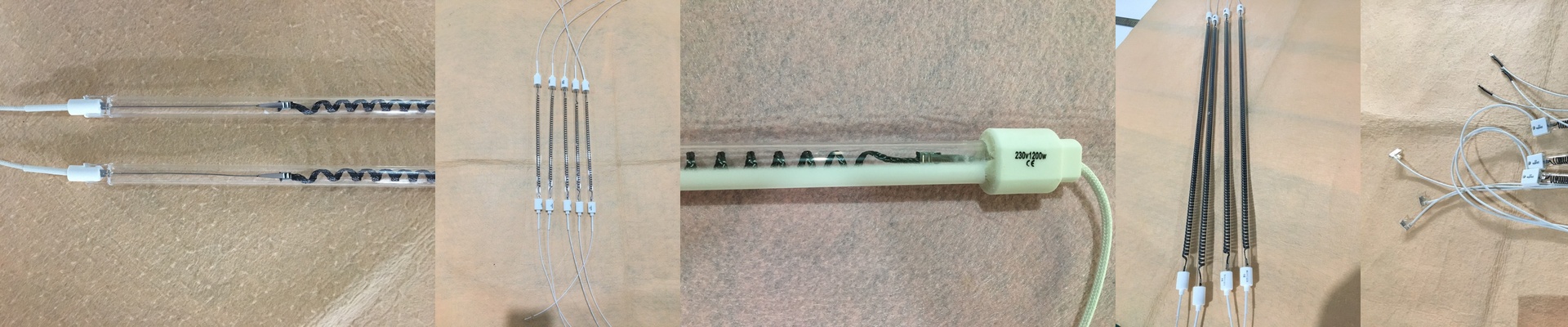
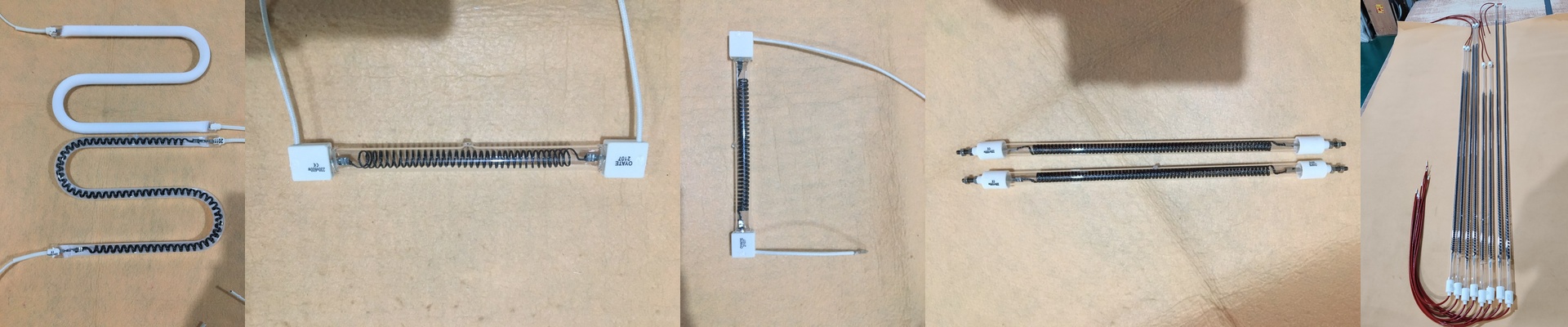
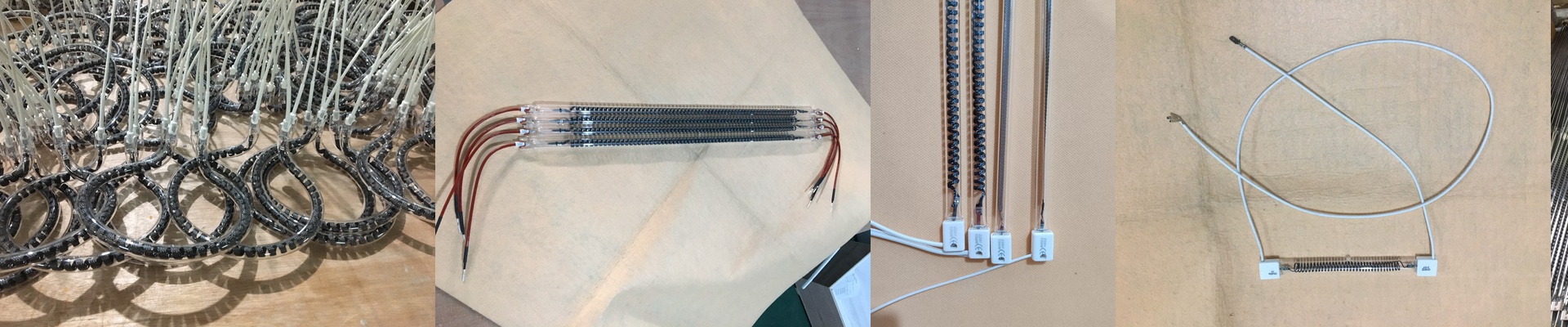
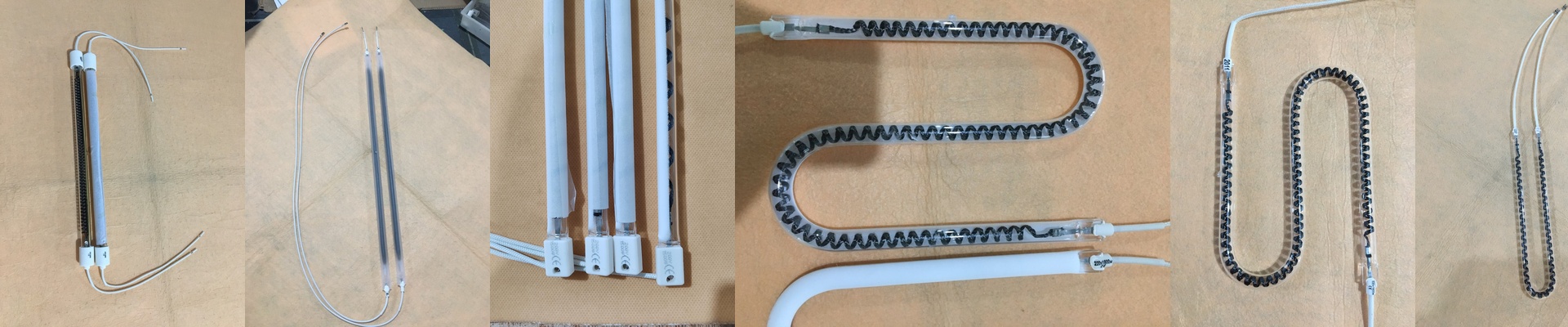
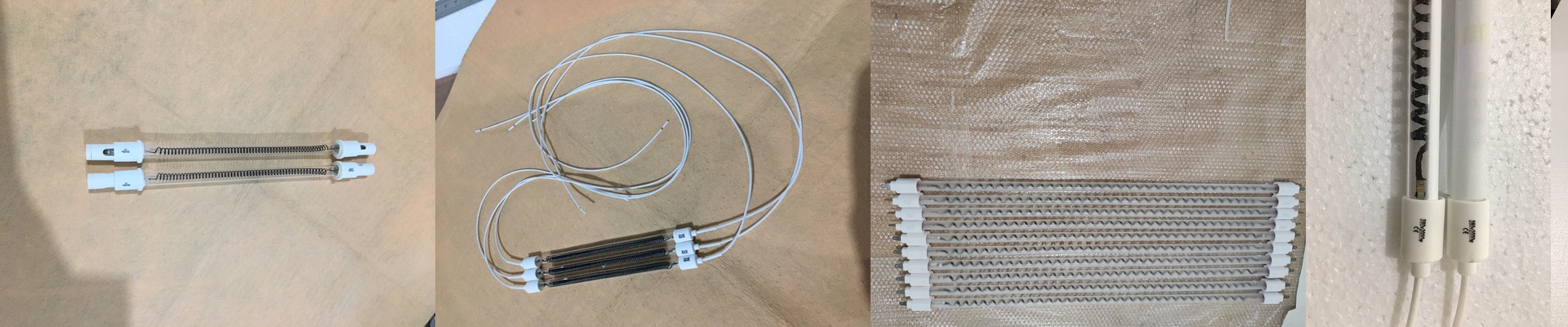
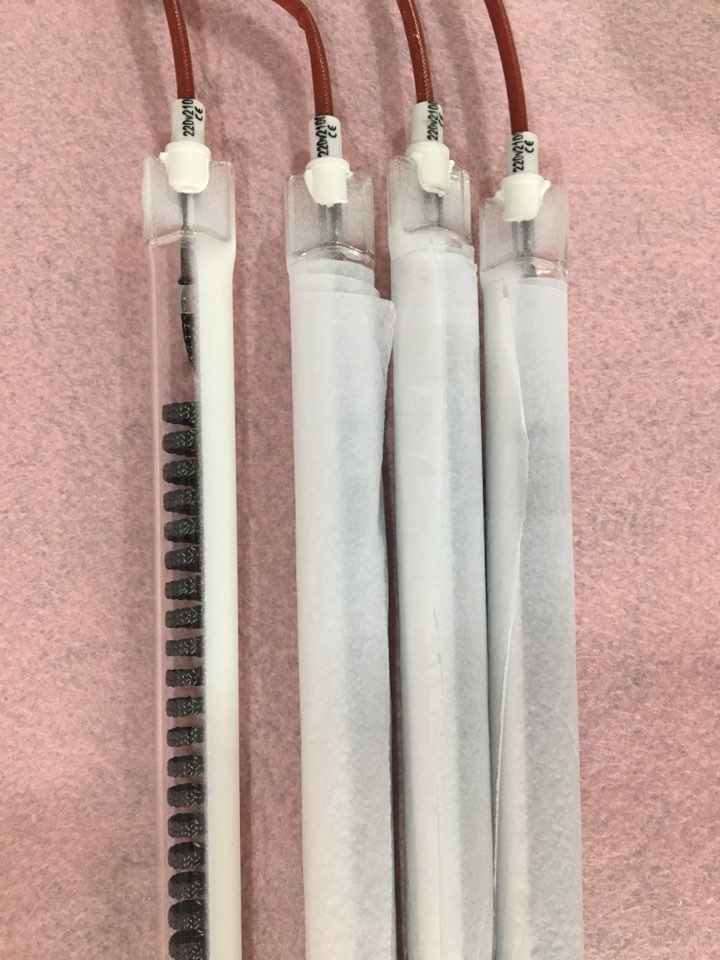
Let’s talk about the 1000W Quartz Carbon Lamp
We built this lamp for the kind of jobs where you can’t afford to sit around waiting for things to warm up. You need heat, and you need it right now. Instead of those old-school resistive coils, we went with a carbon filament tucked inside a high-purity quartz tube. The result? The heat hits differently. It pushes out medium-to-long wave infrared, which means it actually sinks into your materials rather than just dancing on the surface. The power side of things Packing 1000W into a small tube creates a serious heat zone. It’s incredibly fast. But here’s a pro tip: be careful with your mounting brackets. Quartz is tough with temperature swings, but it hates being squeezed. If your brackets are too tight or the support is uneven, the tube will snap as it expands. Give it some breathing room. Why carbon and quartz? The carbon element is where the magic happens. It ramps up the heat faster than metal and, if you treat it right, it’ll last a long time. We use quartz because it basically stays out of the way, letting that infrared energy fly straight from the filament to your workpiece. Depending on the coating you pick, these can glow bright or stay dimmed. If your team is standing right next to the line all day, go with the dimmed version. Nobody likes staring into a blinding light for eight hours. Making it work in your setup Most of the time, these just slide right into the spots where you used to have halogen or metal-sheath heaters. They play nice with standard PID controllers, so you can keep your temperature swings tight. But there is a catch. Because you’re putting so much power in such a small space, a lot of that heat is going to bleed into your machine frame. You’ll want to double-check your shielding and make sure your cooling fans are up to the task. If the cooling is too weak, your sensors will start drifting, and your over-temp switches will keep tripping. Be proactive with the airflow, and you’ll be golden.