Let’s Talk Carbon Glass Infrared Heating
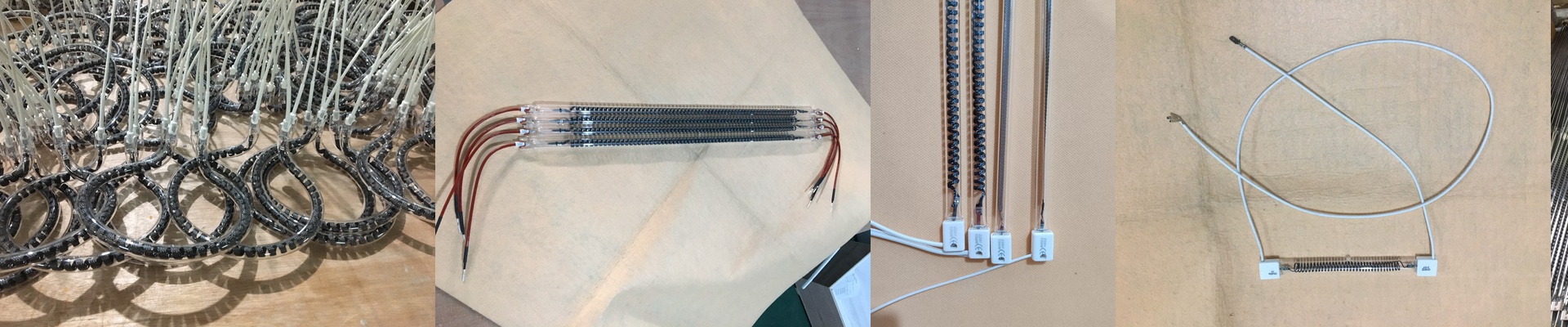
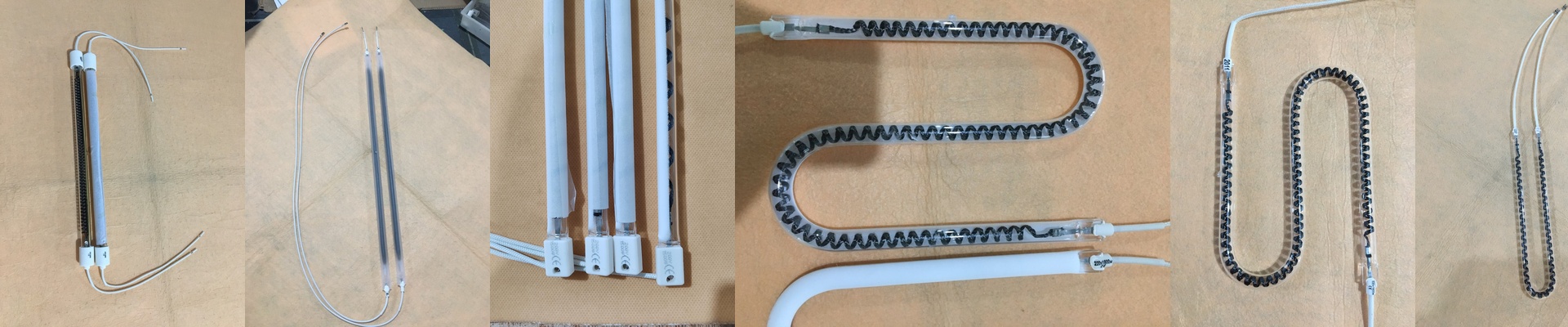
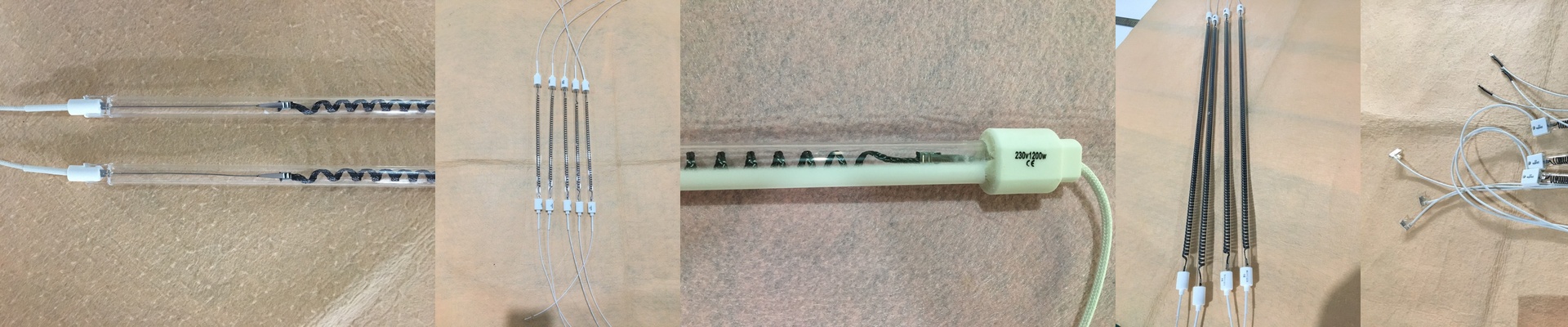
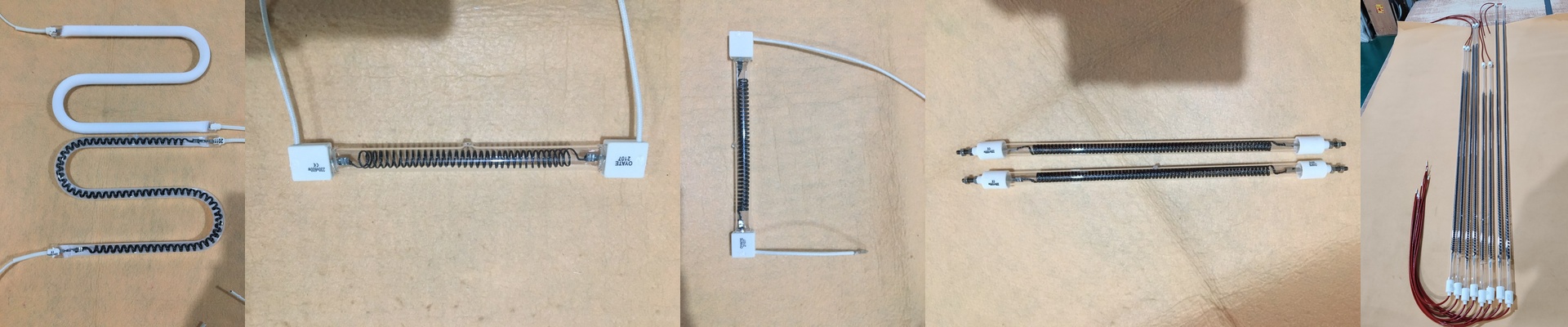
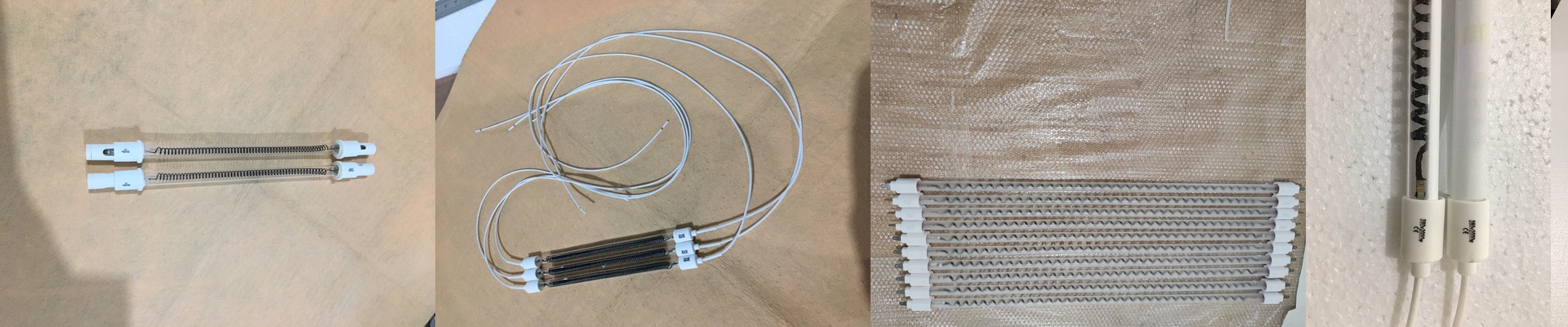
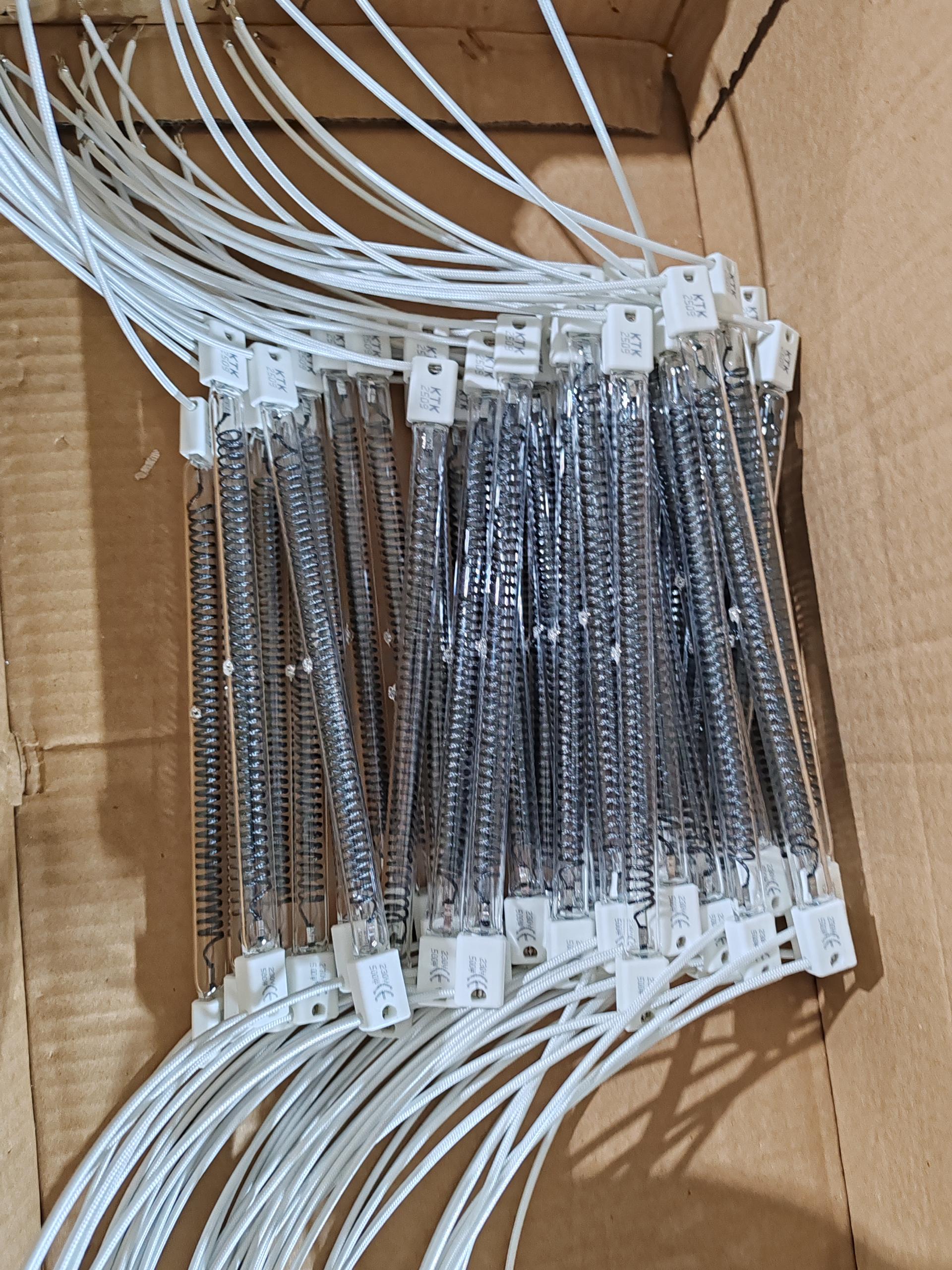
Ever wonder why some heaters just scorch the surface of whatever they’re touching while others actually get the heat inside? That’s where carbon glass lamps come in. Instead of using those old-school metal filaments, we use carbon. It changes the way the heat behaves. It pushes the energy into a medium-to-long wave range, meaning the heat sinks deeper into your materials. You get a thorough warm-through without burning the outside to a crisp. The Power Side of Things We build these things to pack a serious punch in a tiny space. If you go with a higher voltage—say 230V or 400V—you’re basically cramming more heat into every single millimeter of that lamp. It’s great because your industrial ovens will heat up incredibly fast. But here’s the catch: your wiring has to be up to the task. That initial surge of power is no joke. And please, keep an eye on your voltage. If it starts jumping around, you’ll burn through your filaments way faster than you should. The Build We use quartz glass because it doesn’t freak out when the temperature swings wildly. Sometimes we add special coatings to the glass—either to tweak the wavelength or just to keep dust and gunk off the filament. As for the plugs, we stick to the classics like R7s or Sk15. They’re simple, they fit right into most industrial housings, and they stay tight. That’s important because a loose connection at these temperatures can lead to arcing, and nobody wants that. Using Them in the Real World You’ll mostly see these in PET blowing machines or plastic curing lines. Since they react almost instantly, you can dial the heat up or down on the fly using a PID controller. It’s a lot of control. But, you have to be careful. Quartz is tough against heat, but it’s brittle. One bad bump during installation or too much machine vibration and—crack—there goes your lamp. I always suggest using vibration-dampening mounts to make them last longer. Also, give them some room to breathe. If there’s no ventilation, the heat just soaks back into the sockets and ruins them.