Introduction
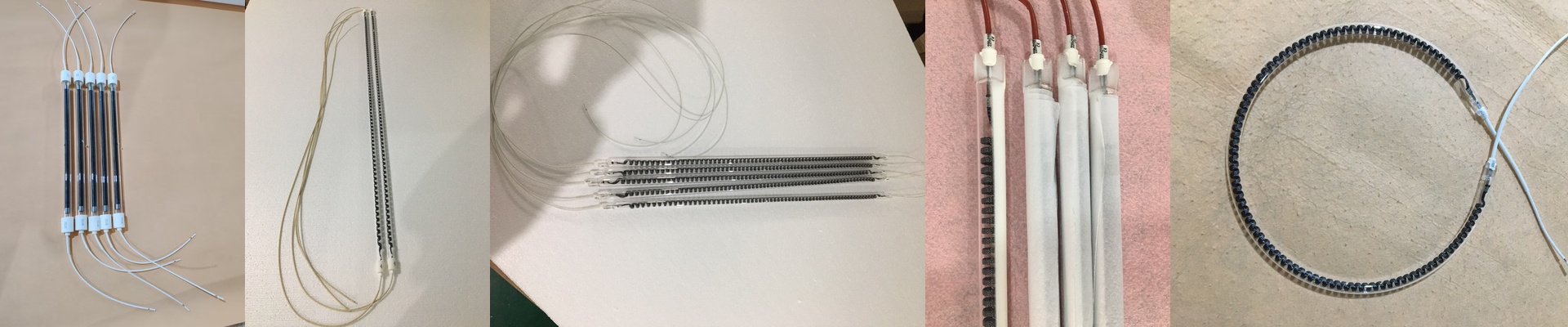
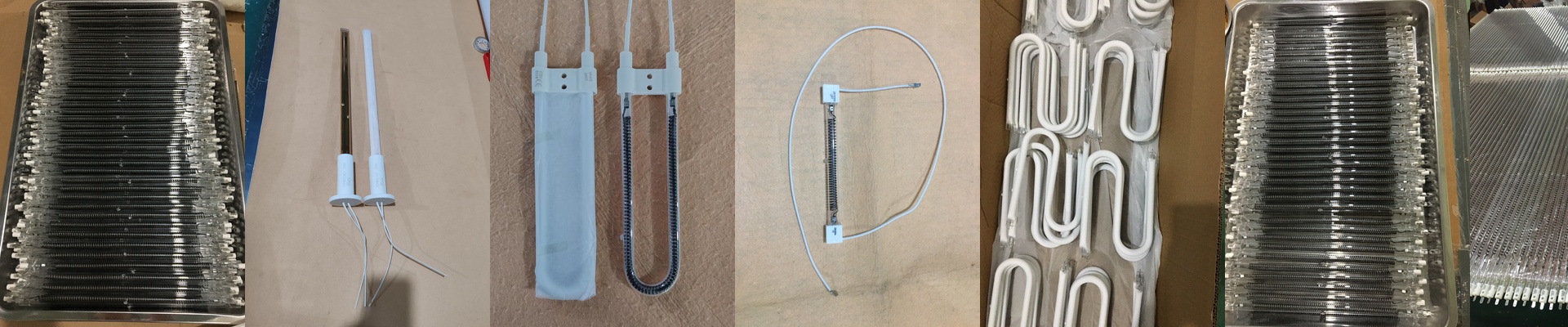
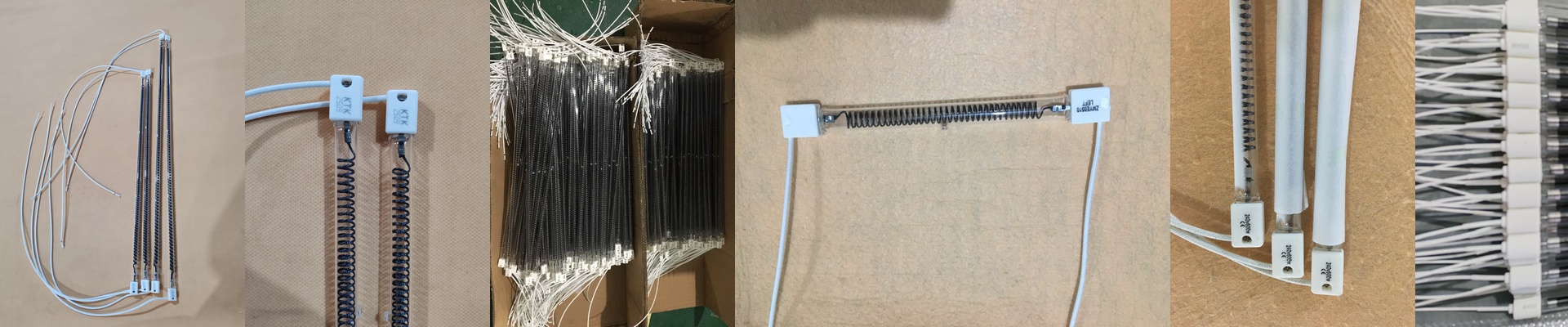
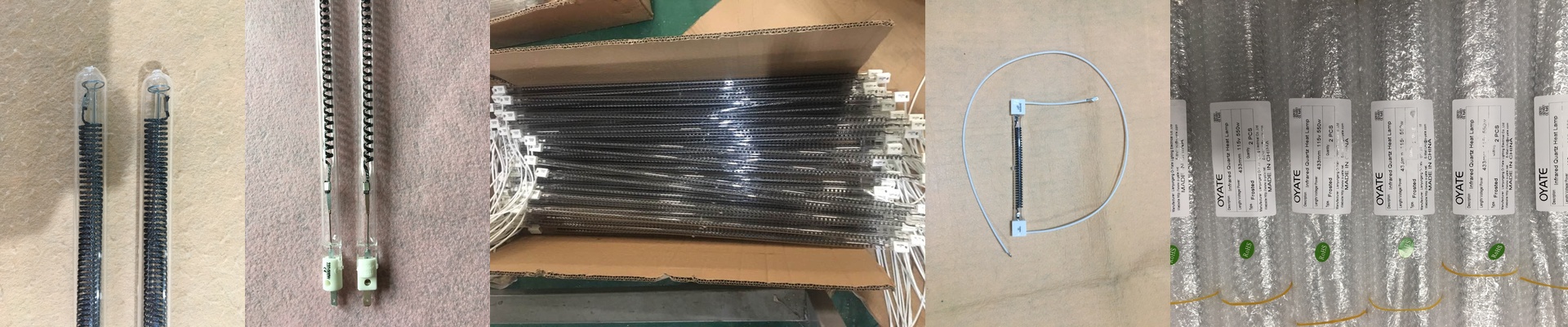
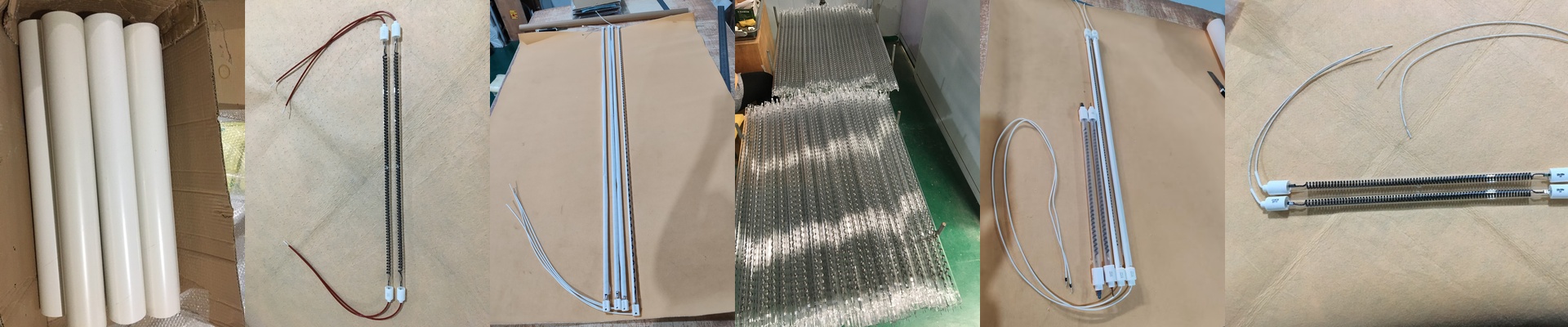
We built the 1000W carbon fiber heat lamp for one reason: to be a straight-up, drop-in heating element for industrial machines that need infrared heat—fast, steady, and reliable. It’s for the folks who actually have to make things run—engineers and technicians who want heat they can count on, wiring that doesn’t feel like a puzzle, and a component that can handle repeated heating and cooling without giving up early.
Power, Voltage, and Fit: The Practical Details
Here’s the thing: 1000W isn’t just a number. It’s about packing serious heat into a small footprint, so you can upgrade tight spaces without tearing apart the whole heater block. And voltage? You spec it for what your line actually runs—110V or 220V—so it pulls the right current. No more underperforming. No more breakers tripping when you least need it. The length is matched to standard reflector setups and machine slots, so it drops right in and lines up with what you already have. No wrestling with mounting. No alignment headaches.
Materials and Design: Built to Handle the Heat
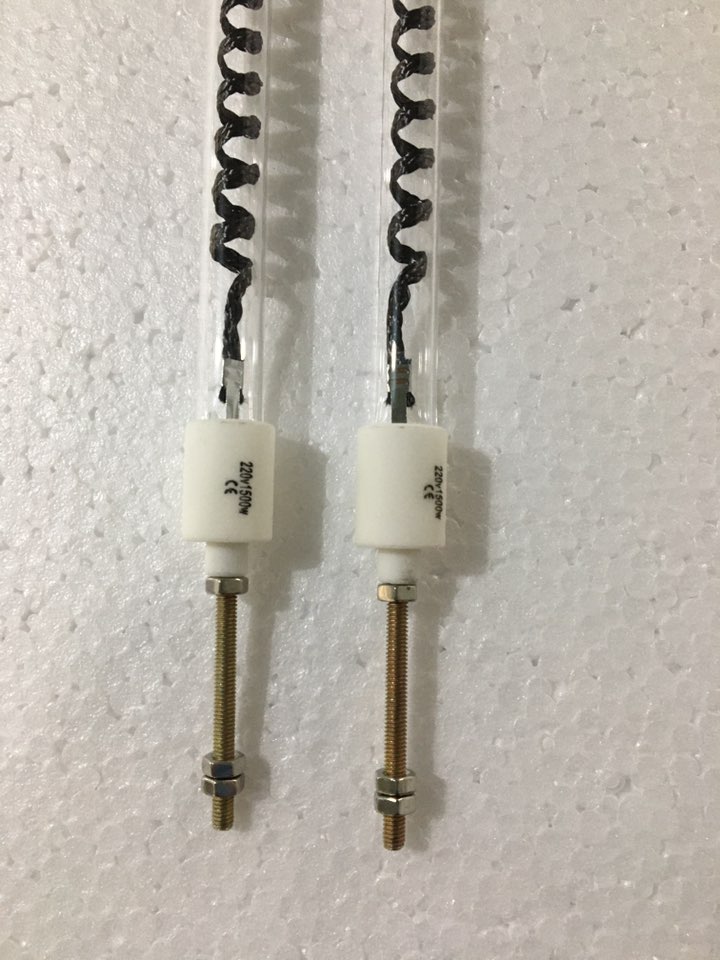
The carbon fiber element is why this lamp heats up quickly and stays consistent across the filament. That consistency matters—it helps prevent hot spots that can kill an element prematurely. The quartz envelope handles high temperatures without breaking a sweat, and stays clear enough to let infrared through efficiently. A specialized coating keeps emissivity steady and shields the element from contamination, even when you’re cycling heat up and down again and again. And the connector? It’s an industry-standard R7s bi-pin. That means you can wire it up fast and service it without hunting for custom terminals or adapter plates.
Where It Shines—and What to Keep in Mind
This lamp is made for production environments: plastic heating, adhesive curing, and other processes that need heat you can control—and control quickly. You get repeatable temperature response, and the build is tough enough to stretch out service intervals. That’s the kind of reliability that makes a shift go smoother. Now, the trade-off: 1000W delivers serious heat density. So your machine’s cooling and insulation need to be up to the task. If they’re not, you risk overheating nearby parts. We focus on making the lamp meet the spec. You focus on making the system ready for the heat.