Getting Infrared Heating Right for SMT and Precision Repair
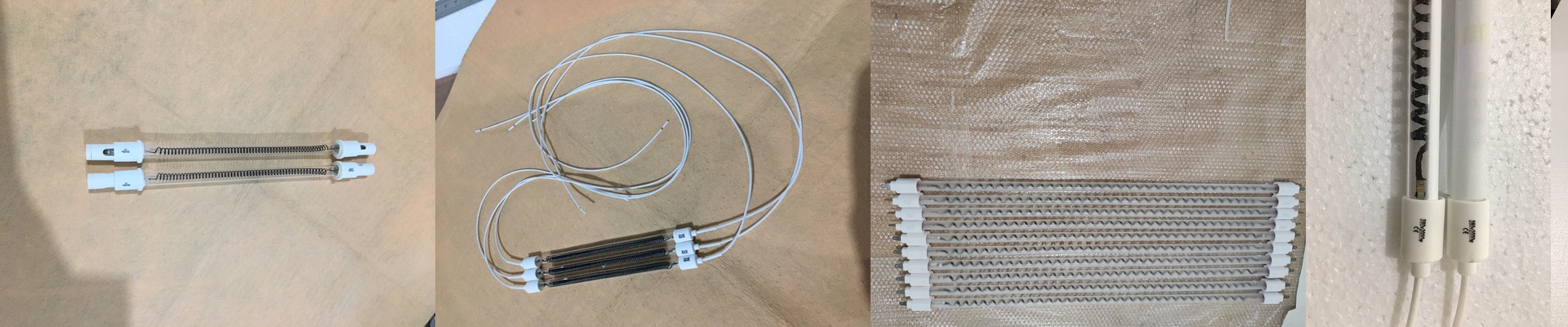
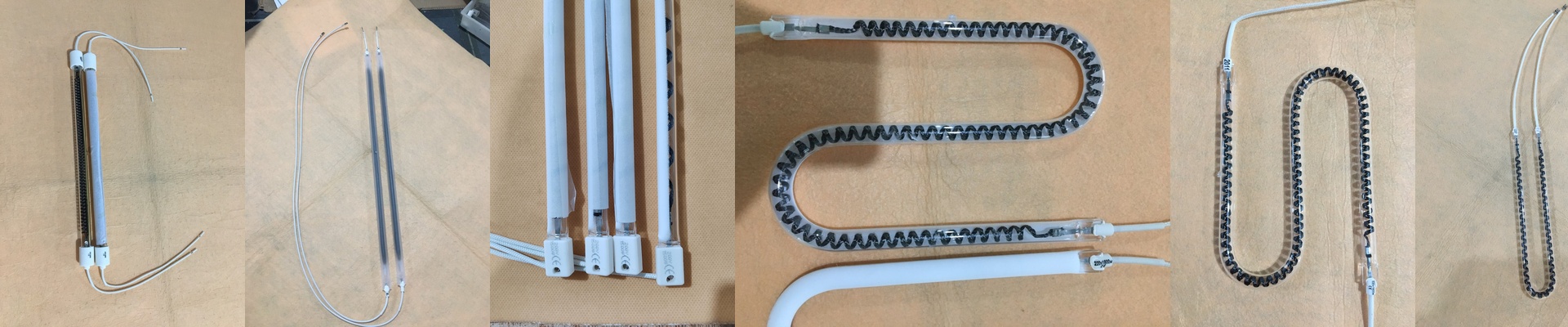
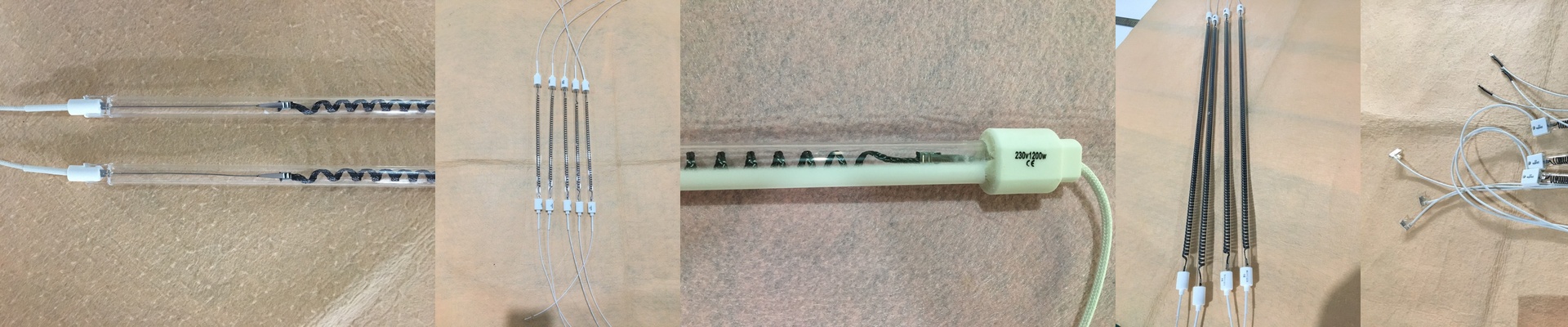
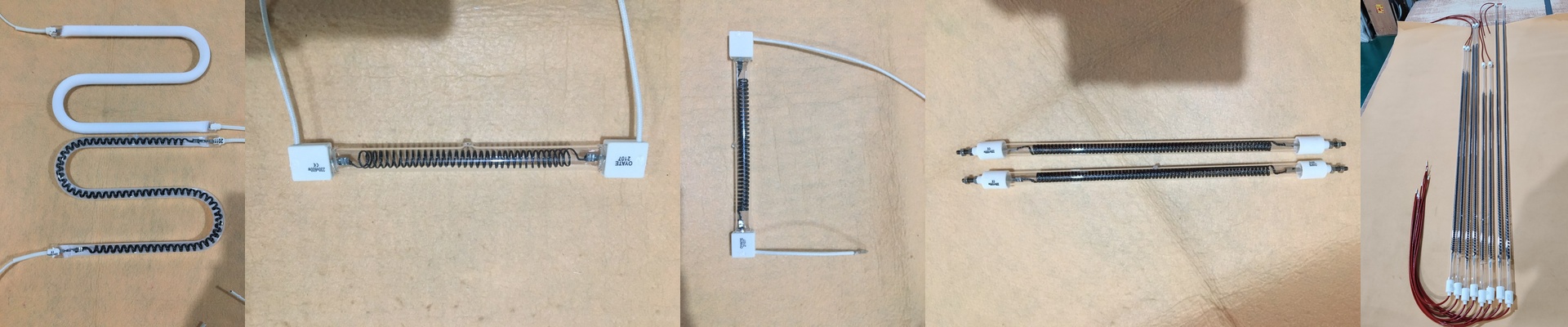
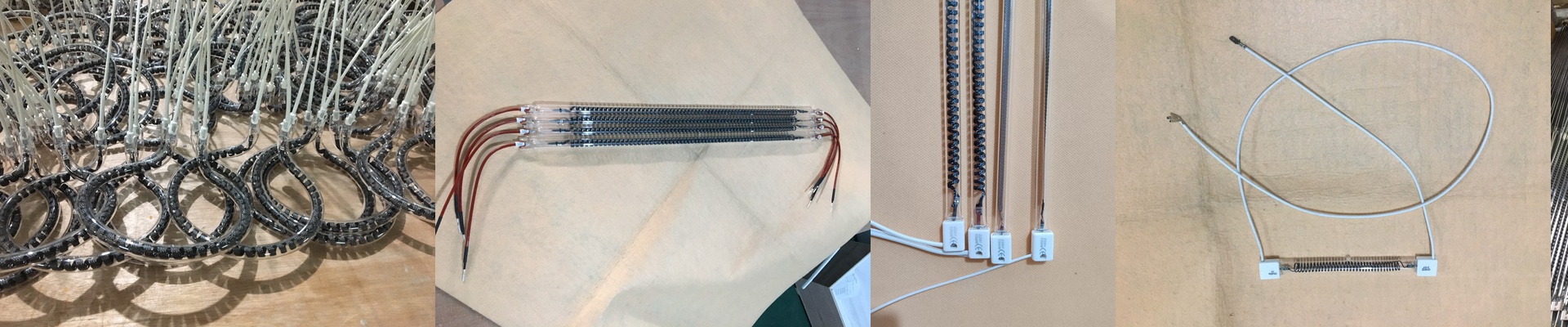
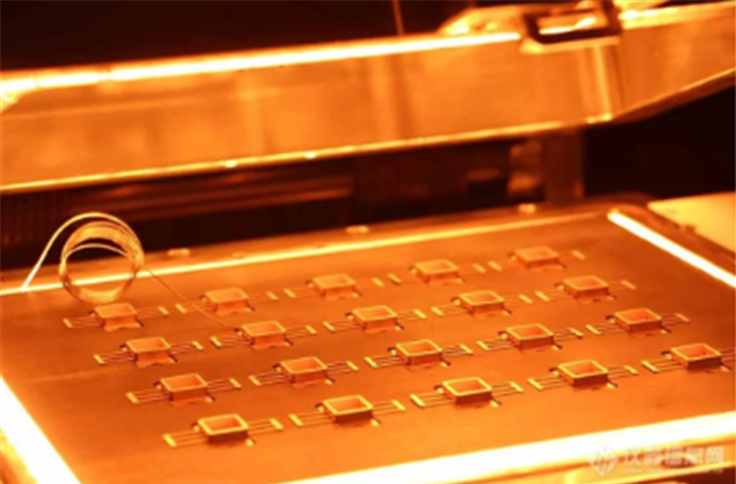
We spent a lot of time hanging out in about 2,000 different SMT workshops. We wanted to know why the standard heating lamps everyone uses keep failing in actual production. Turns out, most off-the-shelf lamps just aren’t built for the reality of modern work. If you’re repairing a smart watch or assembling a tight PCB, you’re dealing with tiny footprints and lightning-fast cycles. There’s a huge gap between what a lab spec sheet says and what actually happens on the shop floor. Usually, it comes down to two things: how the heat spreads and whether the connectors actually stay put. The trick with heat density You can’t just crank up the wattage and hope for the best. That’s a recipe for disaster. Too much raw power creates these brutal hot spots that warp your substrates. We spend our time balancing voltage and tube length to keep the heat steady. Now, if you use a high-voltage tube over a short distance, you get a massive hit of heat. It’s great for getting things up to temperature fast, but you’ve got to have your cooling fans dialed in. Otherwise, you’ll end up cooking the components sitting right next to your target. Keeping it simple with materials We use quartz glass. Why? Because it lets short-wave infrared pass right through without soaking up the energy. This means the heat goes straight into the part you’re working on, instead of just heating up the air around it. As for the connections, we stick with R7s or SK15 bases. They aren’t flashy. But they’re drop-in replacements that don’t rattle loose when the machines start vibrating. We’ve seen way too many “fancy” custom connectors snap or fail after a few hundred heat cycles. Boring is better here. How this actually works in the wild Take smart watch repair. You need to soften the adhesives, but you can’t risk frying the OLED screen. You need a lamp that hits the target temp in a heartbeat and then cools down just as quickly. To get that kind of control, we give up a bit of peak temperature. We also shape the reflectors to tighten the beam. That way, the energy hits the bezel exactly where it should and doesn’t bleed into the rest of the chassis. It’s not about raw power. It’s about being precise.