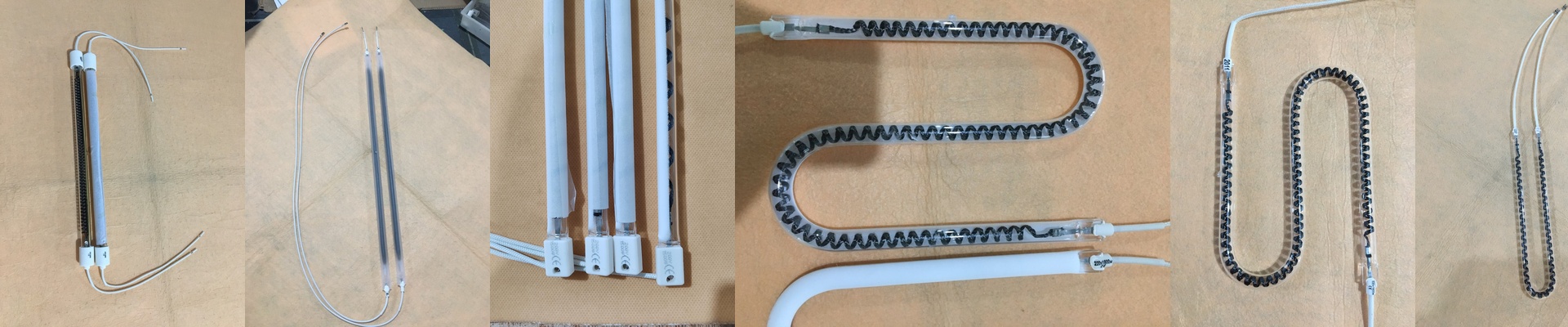
Getting the Heat Right for Smart Meter PCBs
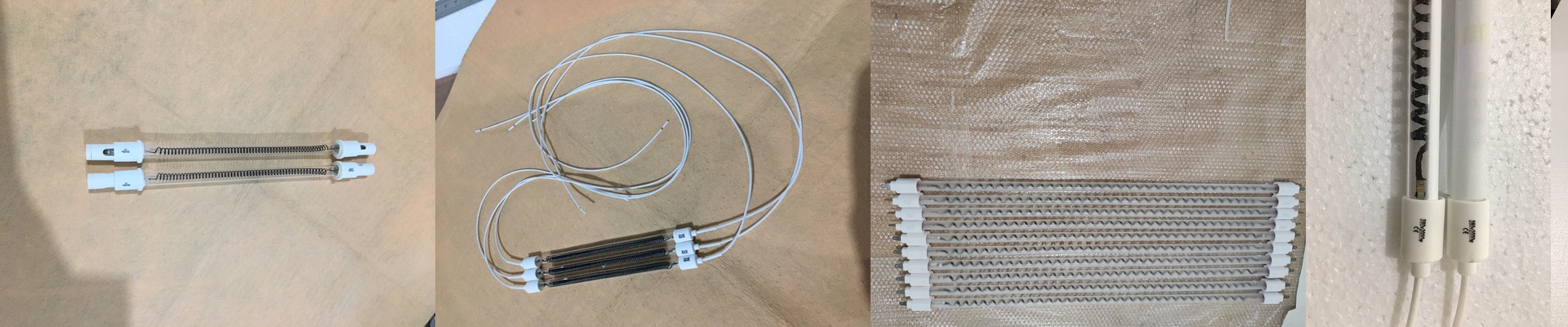
When you’re dealing with smart meter PCBs, you’re packing a lot of components into a tiny space. That makes pre-heating and curing a bit of a nightmare if you don’t have the right setup. That’s why we lean on short-wave infrared (IR) lamps. Think of these less like light bulbs and more like precision tools. They put the heat exactly where it needs to go, which means you don’t have to worry about the board warping or solder bridging ruining your day.
The Nitty-Gritty on Power
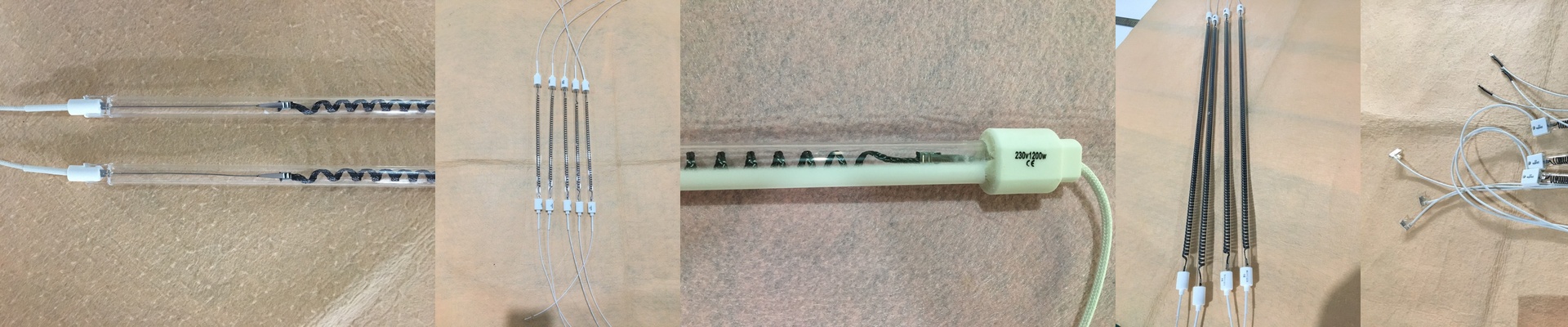
We pick these lamps based on how your specific assembly line is laid out. We use high-wattage halogen tubes because they ramp up fast. Really fast. When you crank up the voltage, you get a concentrated blast of heat that sinks into the PCB substrate way quicker than a standard convection oven would. The big win here? The board doesn’t just soak up heat everywhere. You’re hitting the critical spots and leaving the delicate sensors alone so they don’t fry.
Materials That Actually Work
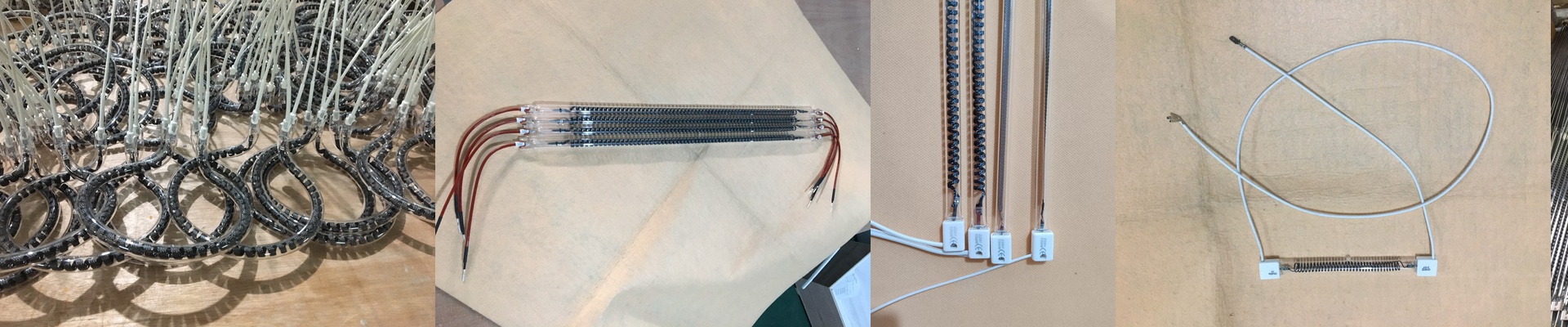
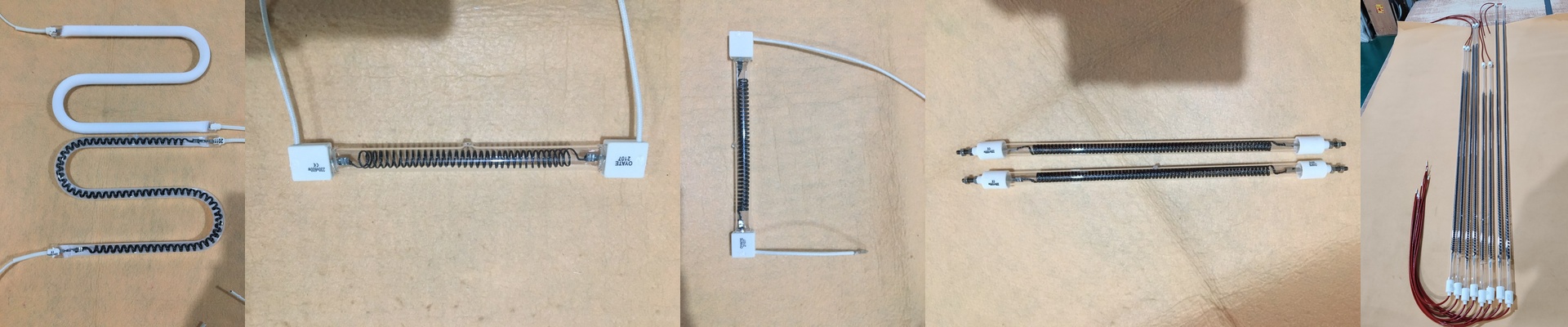
The heart of the whole thing is the quartz glass envelope. We use high-purity quartz so the IR radiation just slides right through instead of getting trapped in the glass. And we kept the connectors simple. Whether you need R7s or Sk15, they’re just standard, drop-in replacements. If a tube blows, you just swap it out and get back to work. No need to tear the entire oven apart. Plus, some of our lamps have a special coating. It shifts the emission spectrum so the heat hits the solder paste directly, rather than just warming up the air around the board.
The Reality of Using Them
Here’s the thing: high-density IR lamps can be aggressive. If the lamp is too close to the PCB, you’ll end up with “hot spots” that can wreck a board. It’s all a balancing act between your wattage and how fast your conveyor belt is moving. A 2500W tube puts out a massive amount of energy—if your belt crawls too slowly, you’re basically cooking your components. You’ll also want decent shielding and airflow. Otherwise, the rest of your machinery is going to take a beating from all that ambient heat.