Making SMT Heating Elements Actually Smart
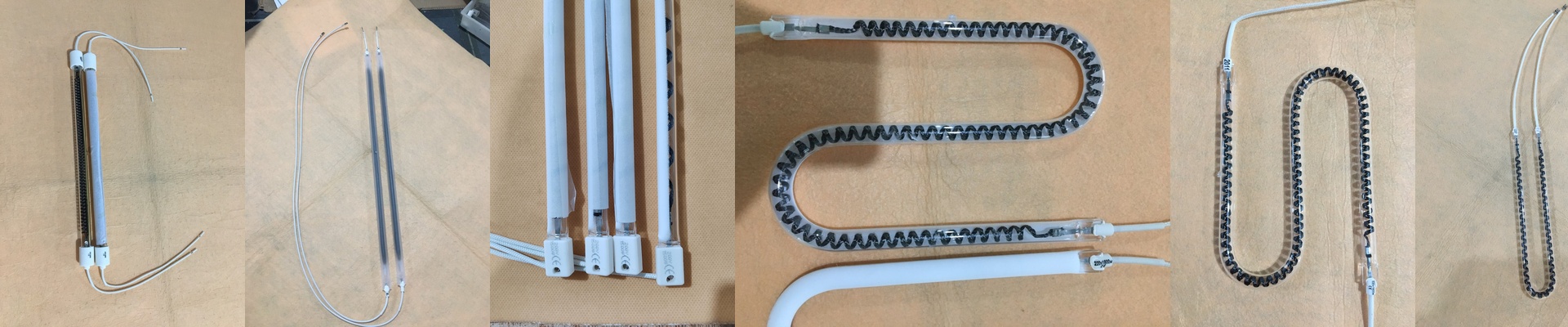
For the longest time, the infrared lamps we use in SMT reflow and curing have been pretty “dumb.” You wire them in, set your duty cycle, and just cross your fingers that the thermal profile doesn’t drift. It’s basically a guessing game. But things are changing. We’re starting to treat these heating elements as actual data sources. The goal? Stop replacing parts just because a calendar says so, and start doing it because the hardware actually needs it. Giving the lamps a voice To get a lamp to “talk,” you’ve got to build sensing layers right into the housing or the power controller. By keeping an eye on the current draw and spectral output in real-time, the system can tell when a filament is getting too thin or if the quartz envelope is getting dirty. It’s a huge relief because it kills those annoying “cold spots” that usually lead to solder defects. Heat you can actually track The real win here is that IoT sensors let you track the heat flux actually hitting the PCB, rather than just guessing based on the heater’s temperature. We can now see exactly how an IR emitter wears down over time. If the output dips by 10%, the controller just bumps up the power to make up for it. You keep a steady profile, and you get a heads-up that the lamp is about to give up the ghost. The catch Now, it’s not all magic. Adding this kind of intelligence means the control electronics take up more space. You can’t just grab a generic lamp off the shelf and swap it in. You’ll need smart drivers and a way to push that data into your MES. It makes the first install a bit more of a headache. Why it matters for your sanity The payoff is that we can finally stop guessing. Instead of swapping every lamp every six months—even the ones that are perfectly fine—you only replace them when the data says they’re losing efficiency. It cuts down on waste, saves you money, and stops a random burnout from killing your entire production line in the middle of a shift.