Why Most SMT Heaters Fail (And How We Fixed Them)
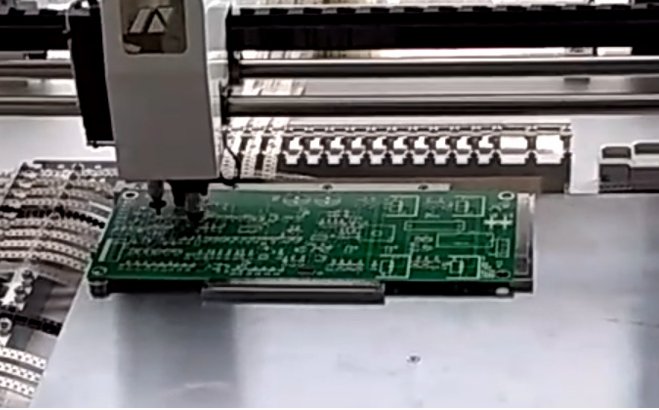
We spent some time visiting 2,000 different SMT workshops. We wanted to know why standard infrared lamps kept dying or underperforming in high-volume setups. Turns out, most off-the-shelf heaters are just guessing. They don’t actually account for how a modern PCB holds and moves heat. So, we stopped obsessing over generic wattage and started focusing on heat-flux density. It’s a subtle shift, but it changes everything.
The Logic Behind the Heat
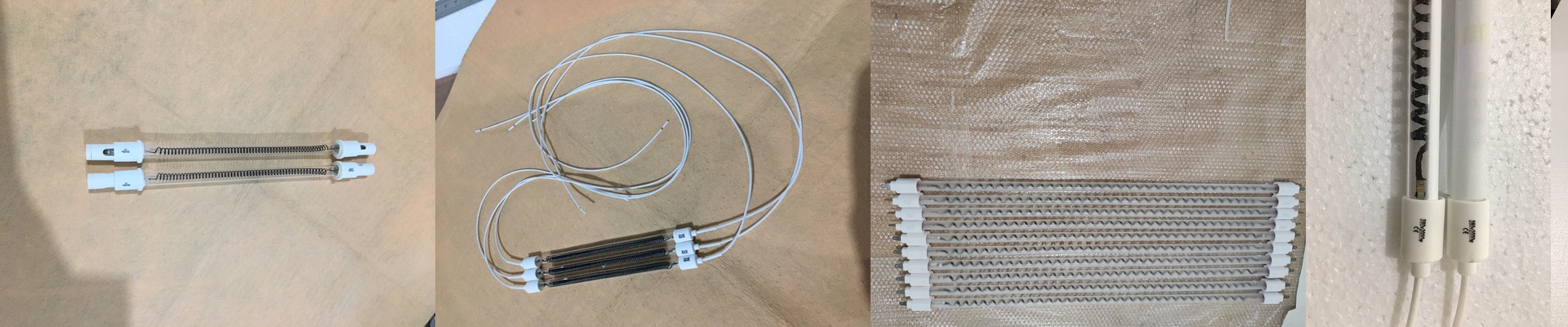
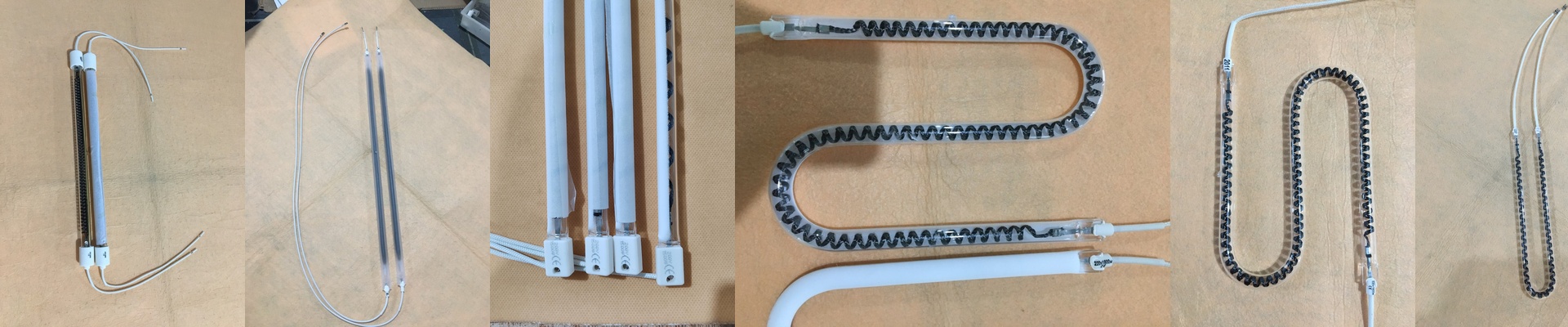
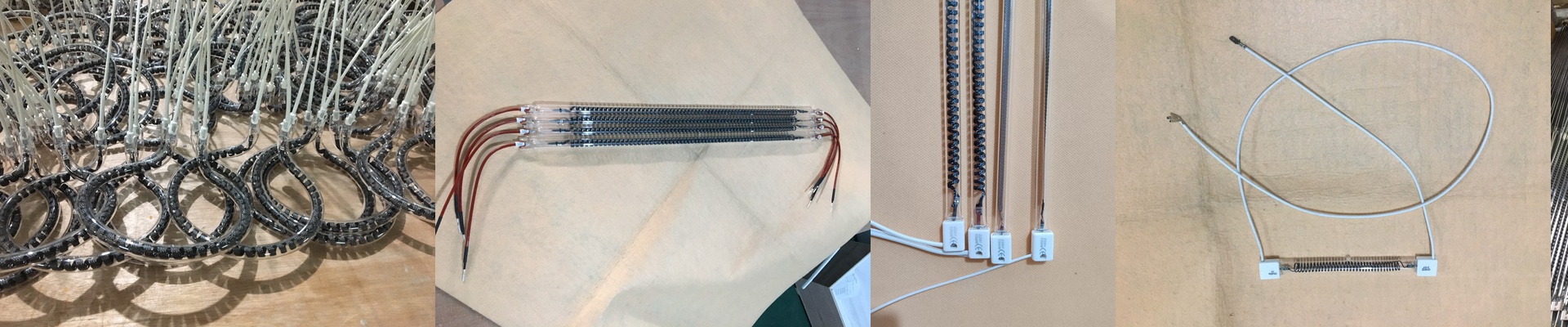
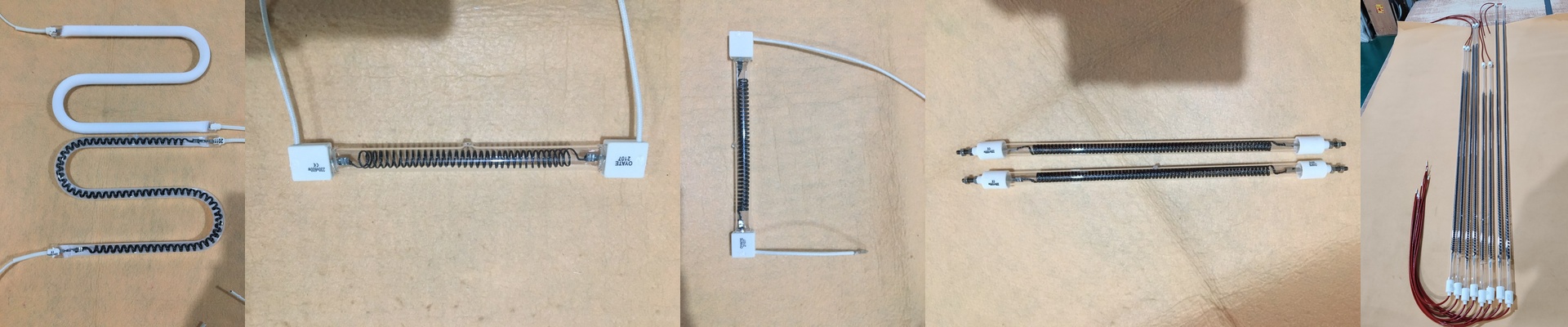
If you’re running a modern SMT line, you know the nightmare of solder paste slump. You need to get that board up to temperature fast. We went with short-wave infrared (SWIR) quartz tubes. The reason? They actually penetrate the board substrate instead of just baking the surface. We pushed for higher power density in shorter tubes, which lets us move the heat source closer to the work. Less distance means less heat escaping into the chassis and more of it going exactly where it needs to. One quick warning: watch your power supply. You have to match it to the lamp’s specific voltage drop. Under-spec it, and you’ll never hit your soak temperature. Over-drive it, and you’ll be replacing burnt-out filaments every few weeks.
The Hardware That Actually Lasts
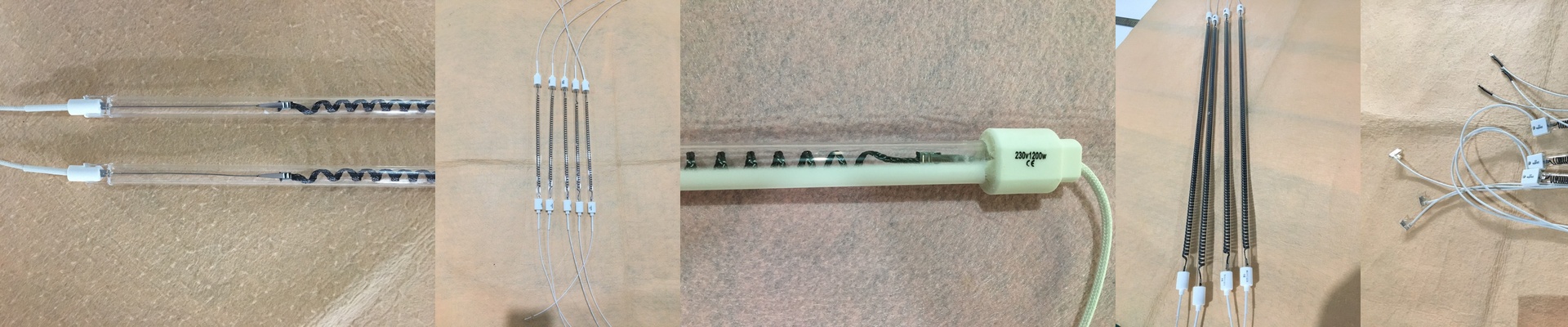
Heat is brutal on materials. We use heavy-wall quartz glass because it can handle the shock of rapid heating and cooling without cracking. But the real killer? The connectors. That’s where most systems fall apart. We switched to reinforced R7s and Sk15 bases. They keep the pins from oxidizing or shaking loose when the machines are humming along all day. Depending on what you’re building, you might want a specialized coating to shift the emission spectrum. It helps you hit the solder paste without scorching the FR-4 board. It’s a bit of a trade-off—you lose a tiny bit of raw heat, but your lamps live a lot longer.
Making it Work on Your Floor
Here’s the thing: you can’t just toss these into any old machine and call it a day. High-density infrared arrays put out a massive amount of ambient heat. If your cooling fans aren’t up to the task, your conveyor controllers are going to trigger a thermal shutdown. It’s a headache you don’t want. Also, double-check your cabling. Make sure it’s rated for the peak current. If it isn’t, you’ll get voltage drops across the line, and you’re right back to square one with inconsistent heating.