Stop Replacing Your IR Lamps Every Other Week
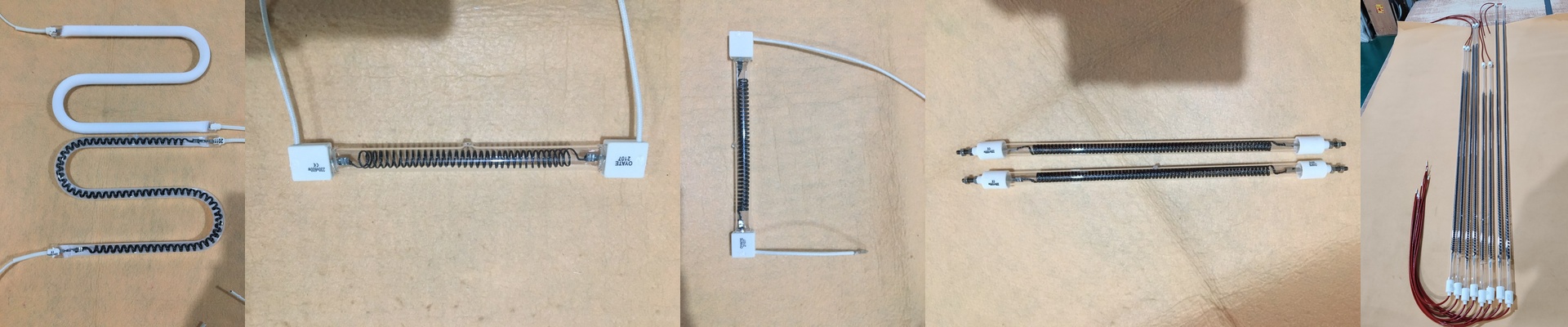
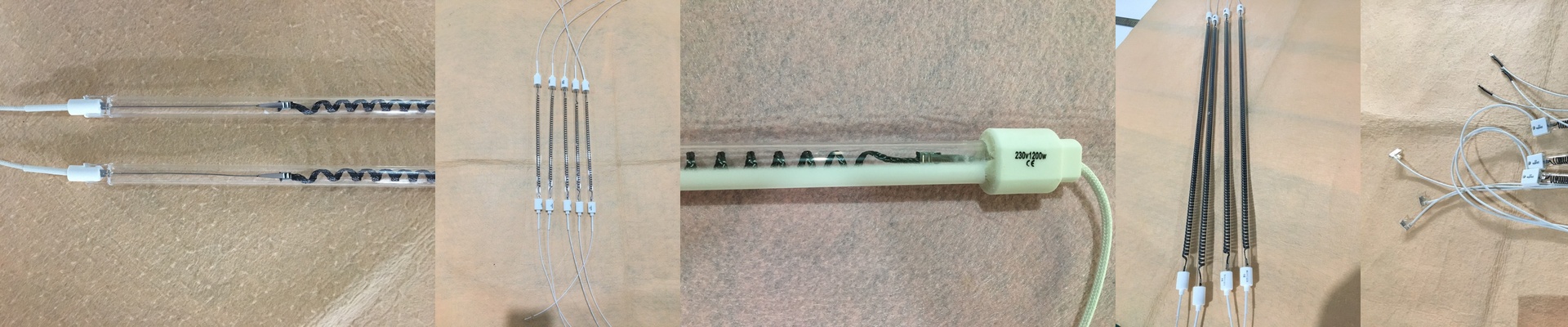
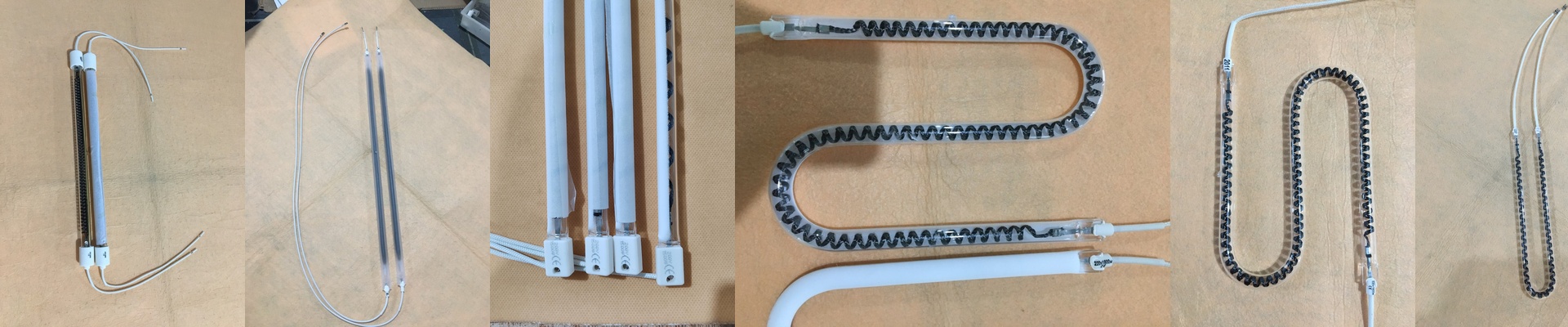
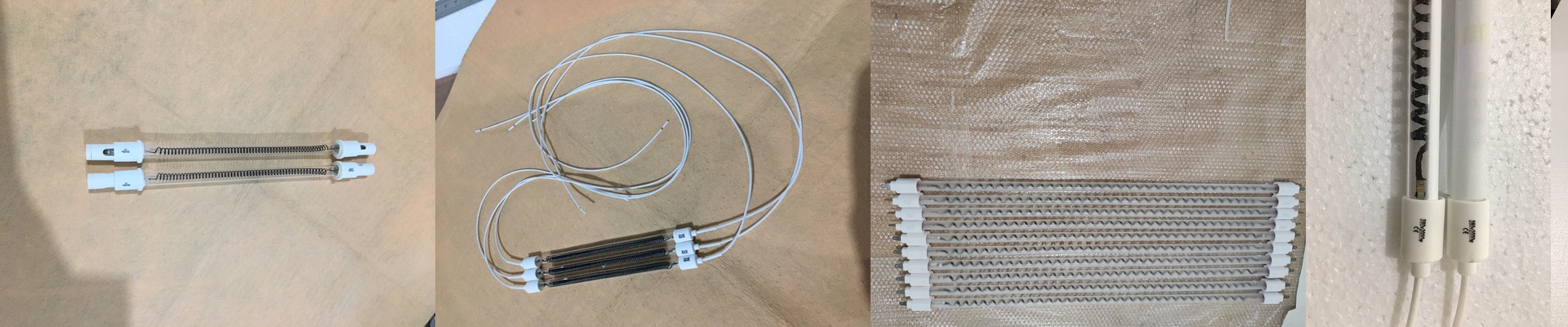
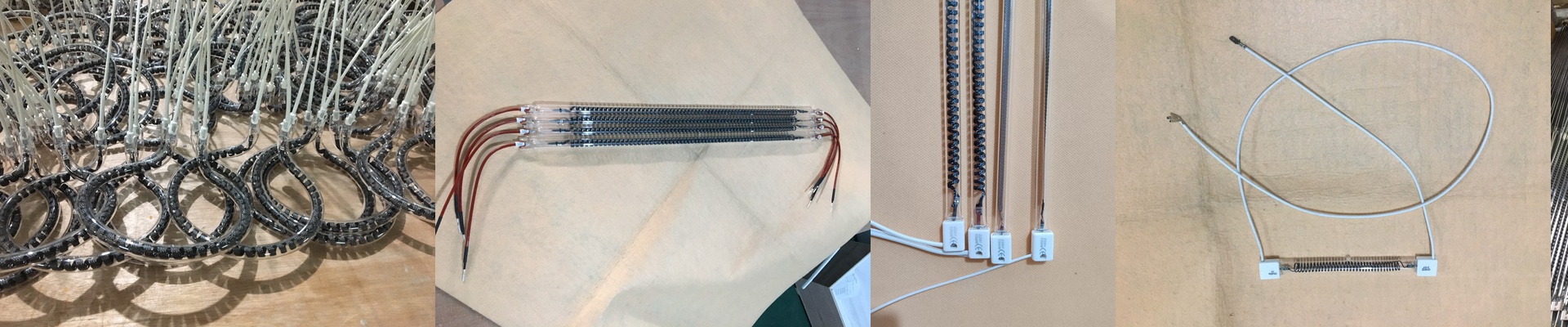
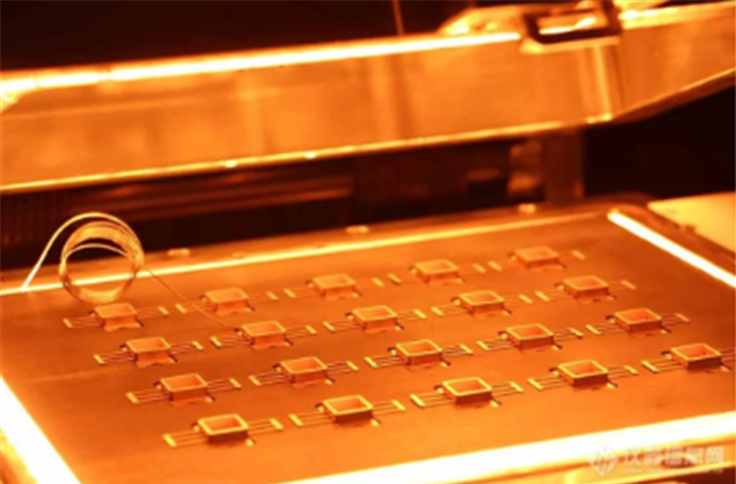
If you’ve ever worked with smart meter PCB assembly, you know the drill. You’re running your infrared lamps, and everything is fine—until it isn’t. The real killers here are welding smoke and flux residues. They drift up and settle right on the quartz envelope. It sounds minor, but those little particles create hotspots. The glass expands unevenly, and then—pop—your lamp burns out way before it should. It’s frustrating, and it kills your uptime. The “Air Curtain” Fix We decided to stop fighting the smoke and just push it away. We use an air-curtain system. Instead of waiting for the lamps to get dirty and then scrubbing them by hand, we blow a steady stream of filtered air right across the face of the IR module. Think of it like a physical shield. The fumes get pushed back before they ever have a chance to stick to the glass. The result? The lamps stay crystal clear. You get a steady, even heat across the whole PCB, which means you don’t have to worry about those annoying cold solder joints on your densest boards. The Trade-offs (Because nothing is free) Now, there are a few catches. First, the machine gets a bit bigger. You need room for the blower and a decent filtration system—because blowing dirty air onto your lamps would defeat the whole purpose. Then there’s the balance. If you crank the airflow too high, you’ll actually start cooling down the PCB. That forces you to pump more power into the lamps just to hit your reflow temp, which isn’t ideal. You have to find that “sweet spot” where the air is fast enough to protect the glass but not so strong that it steals your heat. Why it actually matters Once you get that balance right, the difference is huge. We’re seeing lamp life jump by 3x to 5x in high-volume shops. That means way fewer teardowns. No more spending your afternoon replacing burnt-out tubes. Plus, since the lamps stay clean, your thermal profile doesn’t drift. You don’t have to keep messing with the PID tuning to make up for “dimming” caused by soot buildup. We basically solved a chemistry problem with a bit of clever plumbing.