Picking the Right IR Waveband for Your SMT Setup
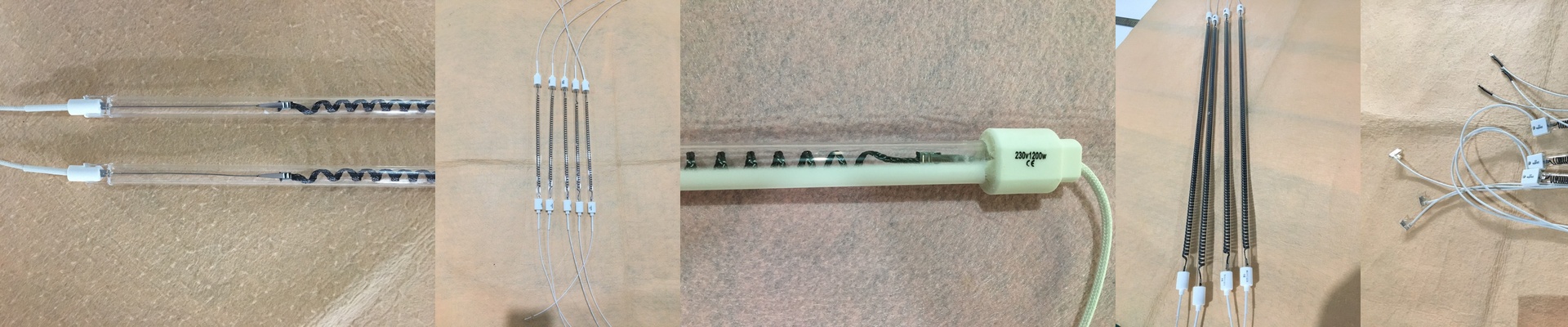
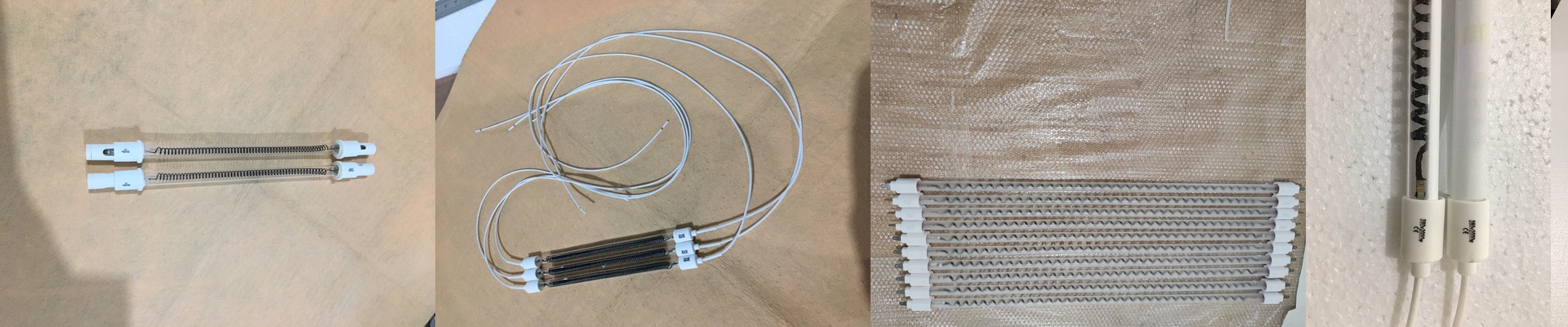
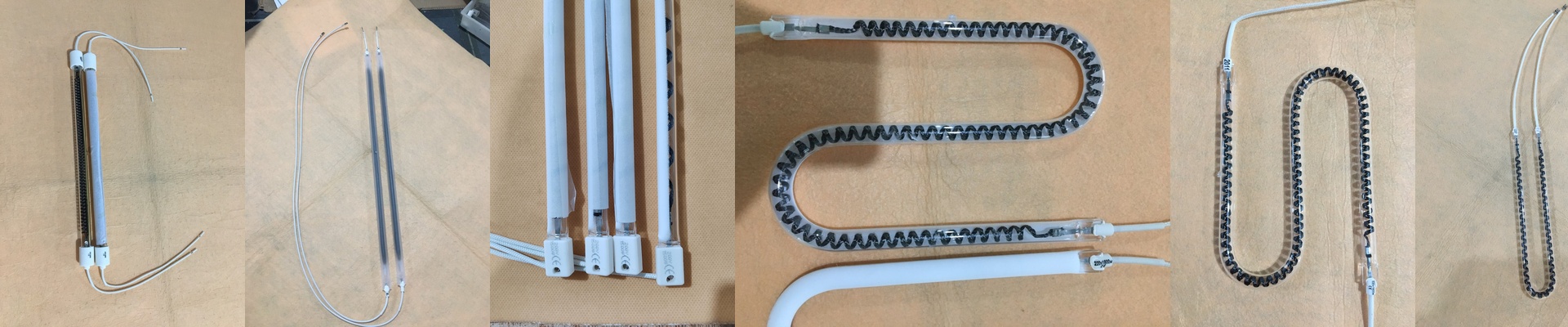
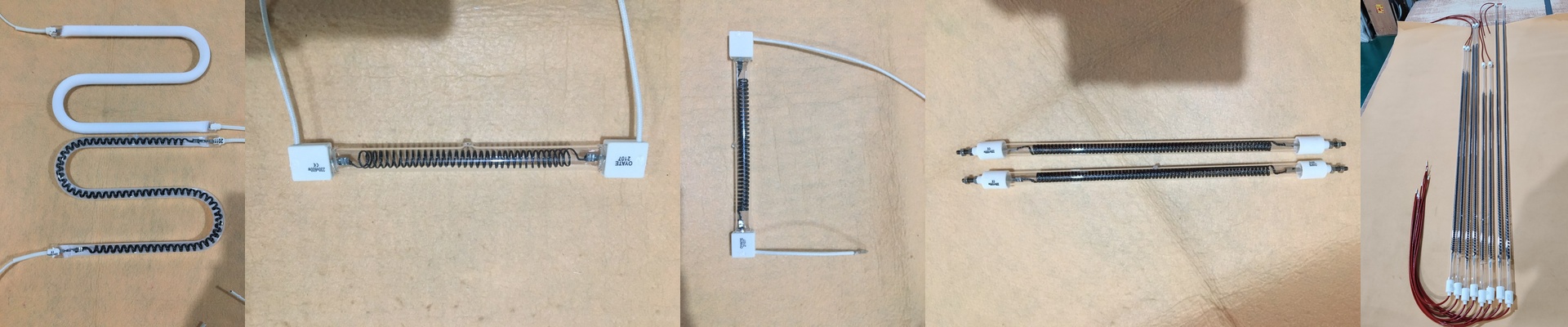
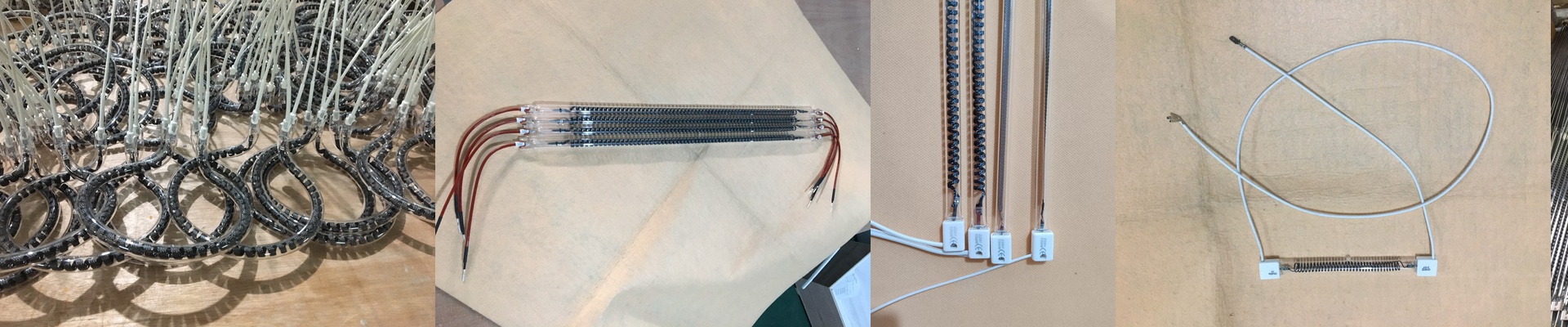
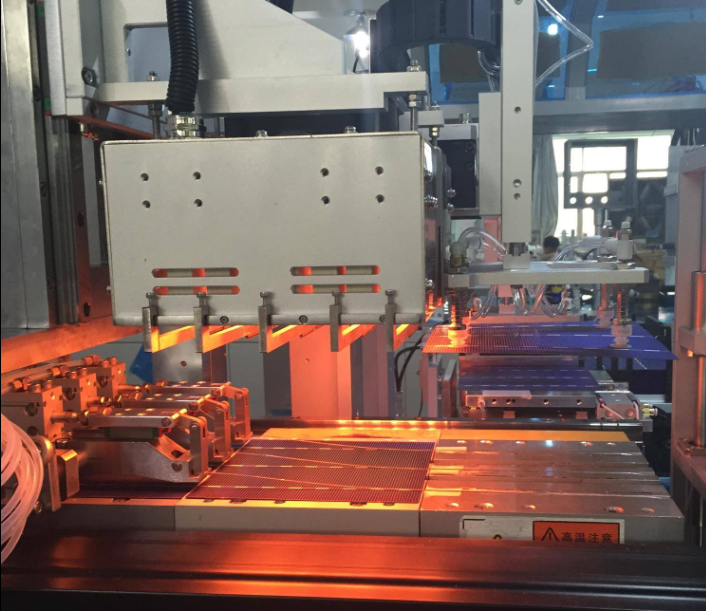
When you’re putting together an SMT reflow or preheating station, you’ve got a big choice to make: shortwave or medium-wave IR lamps. It sounds like a technicality, but it’s actually what decides how fast your boards move through the line and how many of them actually make it out the door without a glitch. Now, we use quartz glass for both. It’s the only way to go because it doesn’t crack when things get hot. But the real magic—and the headache—is in the filament and the coating. That’s what determines how the heat actually hits your PCB. The deal with Shortwave vs. Medium-wave Shortwave lamps run hot. Really hot. The energy they kick out digs deep into the solder paste and the components. If you’re dealing with a thick board or a chunky component that takes forever to warm up, shortwave is your best friend. It gets you to that ramp-up temperature fast. Medium-wave is a different story. The heat mostly hangs out on the surface. It’s great when you need a gentle touch and don’t want to soak the internal layers of the board too deeply. The catch? You’re going to be standing there waiting longer for the board to hit the target temp. Quartz and the heat load We stick to high-purity quartz so the IR energy actually gets through the glass instead of bouncing back. Sometimes we add a coating to push the heat straight down, which stops you from wasting energy. But here’s a heads-up: high-wattage shortwave tubes are intense. If you cram a high-power array into a box without some serious ventilation, you’re going to warp your housing or fry your reflectors. It happens more often than you’d think. Actually using this on the floor If you’re repairing smartphones or doing small-scale SMT work, shortwave quartz lamps are usually the way to go. They’re just faster. We’re talking about cutting your preheating time by 30% to 50%. That’s a lot of extra boards finished by the end of the shift. Just be careful with your temperature controllers. Because the heat spikes so quickly, you’ve got to make sure your PID settings aren’t too aggressive. If they are, you’ll overshoot the liquidus temperature and—boom—you’ve just toasted your chips.