Why Your Pulse Lamps Keep Burning Out (And How to Stop It)
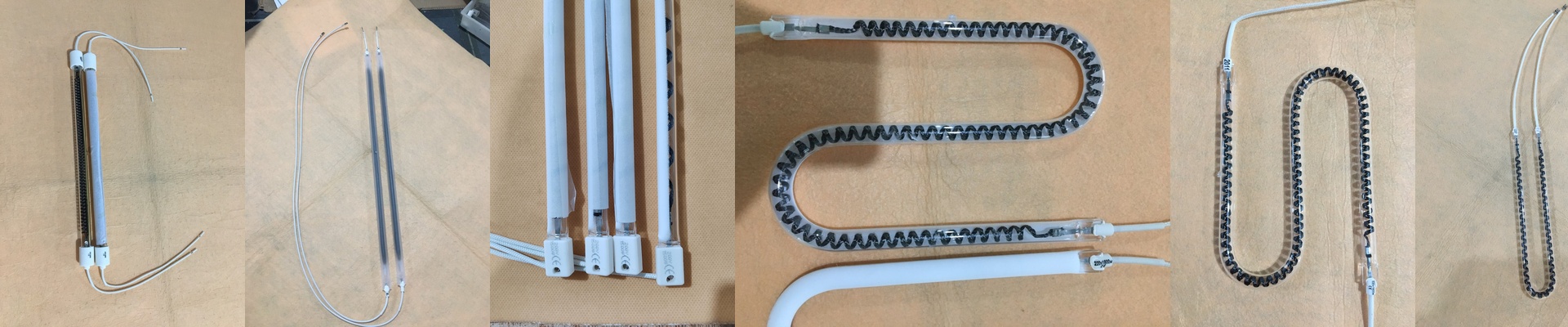
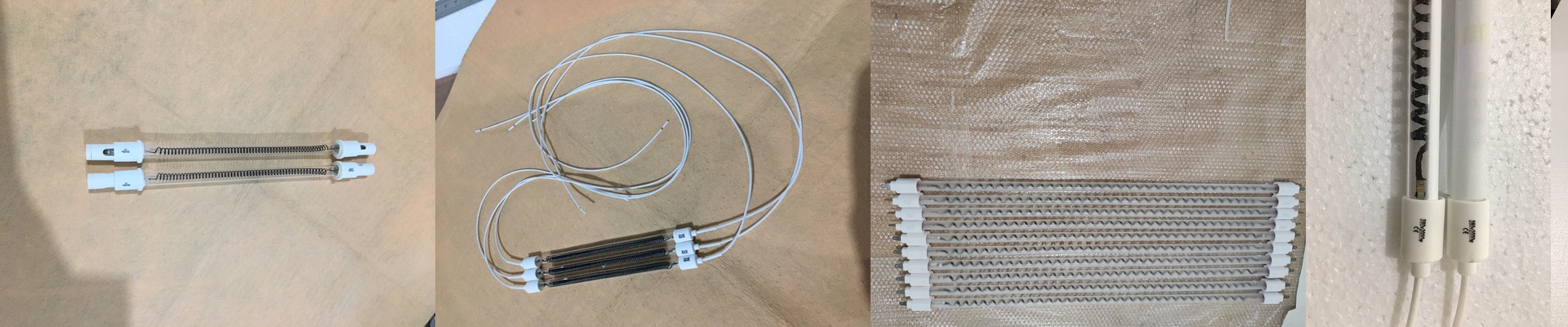
Ever wonder why a lamp that’s supposed to be “heavy duty” just gives up the ghost after a few thousand cycles? It usually comes down to “flash” heating. When a lamp jumps from ice-cold to blistering hot in a few milliseconds, it puts a massive amount of stress on the internal filament. If you’re doing precision curing or smart lock repairs, you’re hitting those lamps tens of thousands of times. If the support structure isn’t exactly right, the tungsten wire starts to sag. Once it dips, it touches the quartz glass, creates a hot spot, and—pop—there goes your lamp.
The “Slow-Motion Hammer” Effect
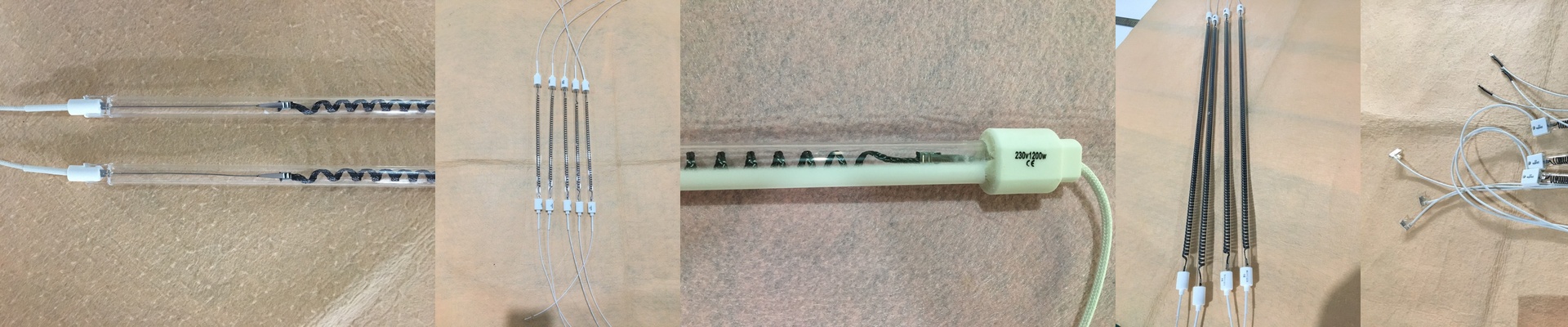
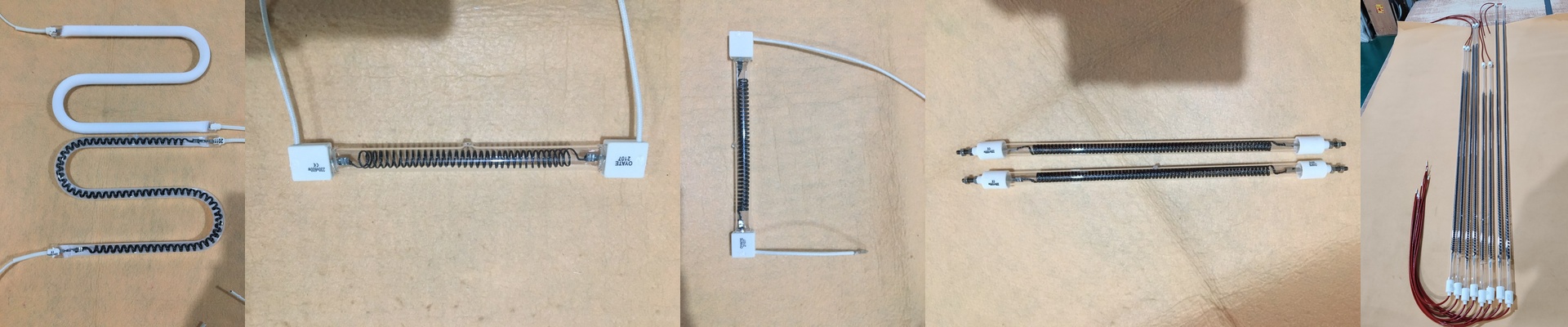
Think of it like this: every time you trigger a pulse, the filament expands. When it cools, it shrinks. Do that 10,000 times and it’s basically like hitting the metal with a slow-motion hammer. Eventually, the metal just gets tired and weakens. To stop the whole thing from warping, we use a reinforced support that keeps the filament locked in place. But there’s a catch. The tension has to be perfect. If the wire is too loose, it’ll sag under its own weight once it hits 2,000°C. But if you pull it too tight? The first thermal shock will snap it clean in half. We spend a lot of time finding that “sweet spot” so the filament stays centered, no matter how hard you push it.
The Heat Problem
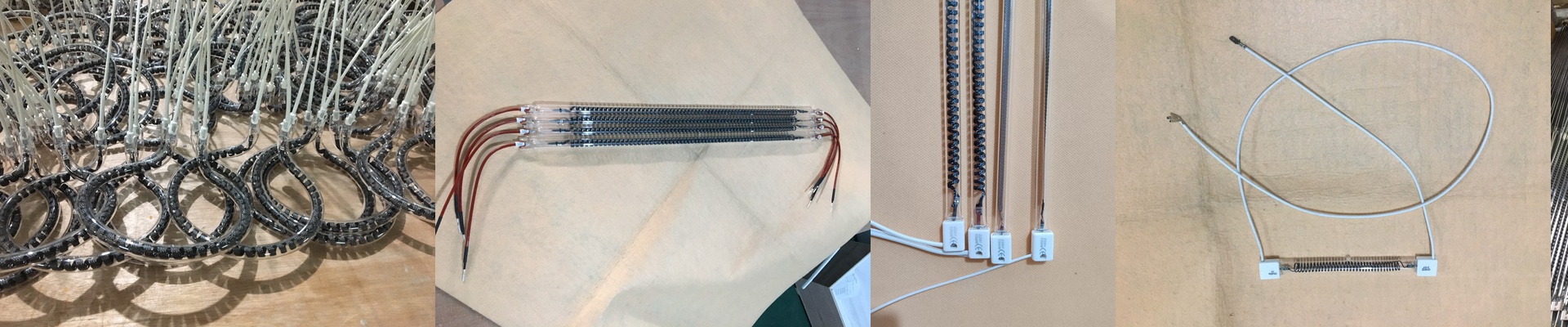
High-wattage short-wave lamps are great because they give you that instant blast of heat for adhesives. But that heat doesn’t just go into your workpiece. A lot of it bleeds back into the lamp ends and the wiring. Here’s the thing: if you run these at full tilt without enough airflow, you’re basically cooking your own connectors. Most of the fatigue failures we see actually start at the ends of the lamp, not the center. So, please, check your ventilation. Your hardware will thank you. We put our tubes through accelerated stress tests to make sure they don’t deform. It means your focal point stays sharp and your heat stays even, whether it’s your first cycle or your fifty-thousandth.