Putting Automotive Electronics Through the Ringer
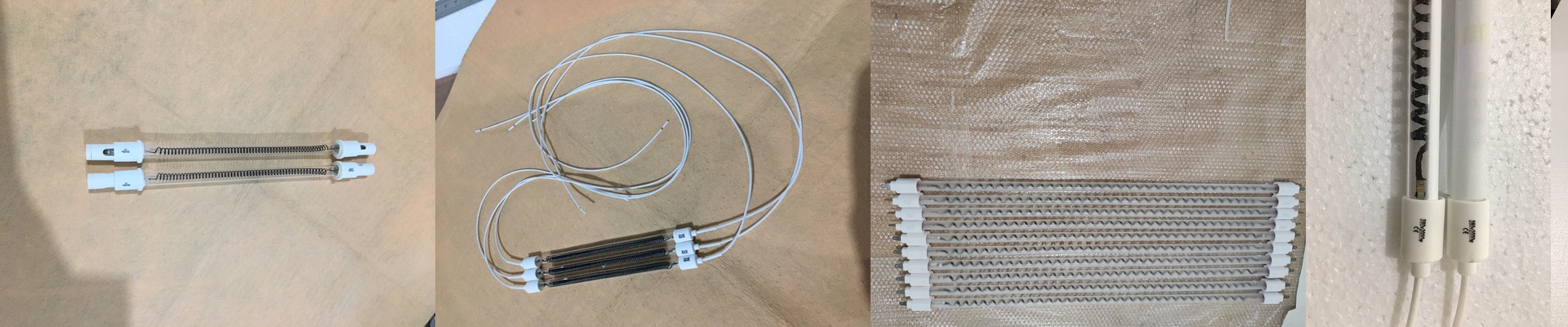
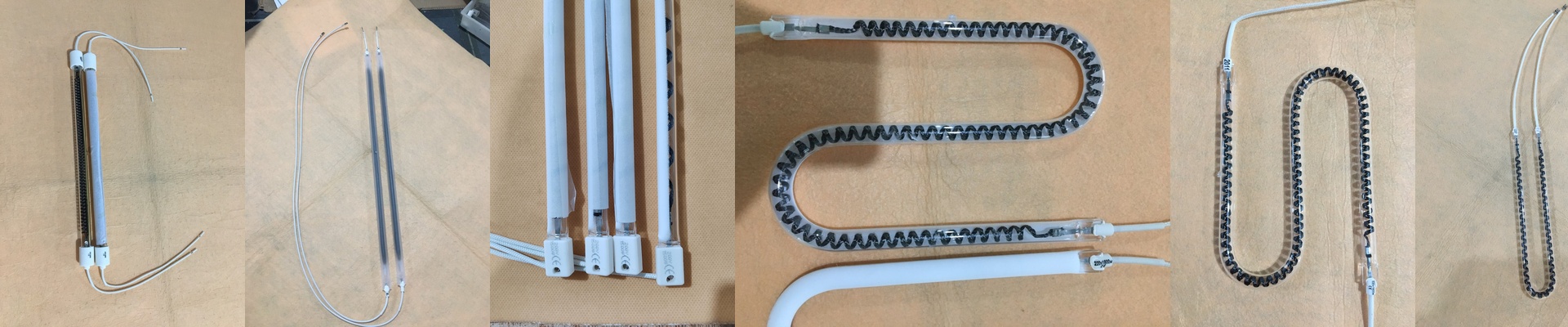
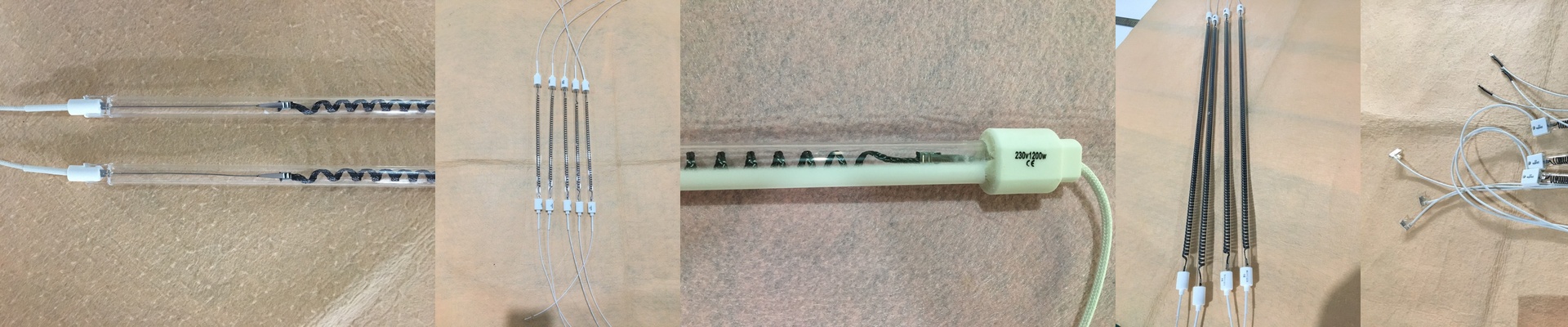
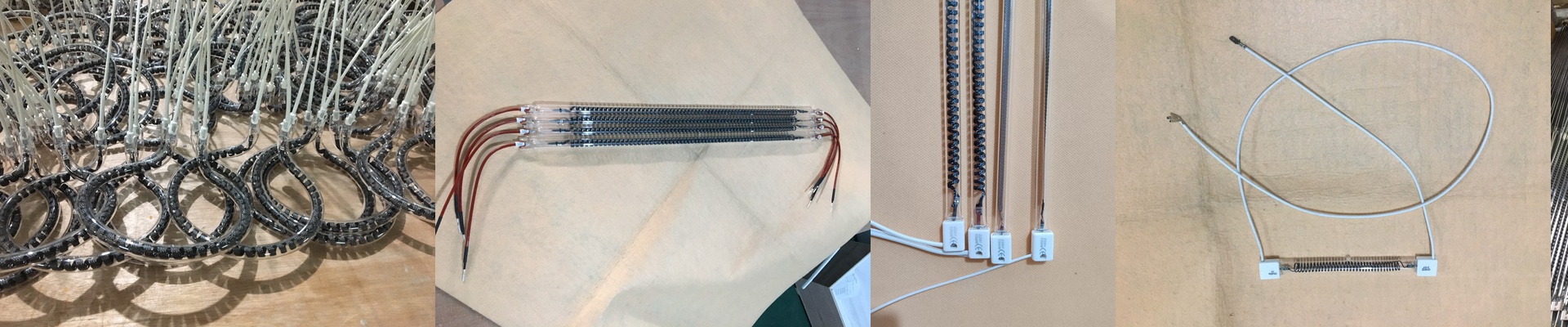
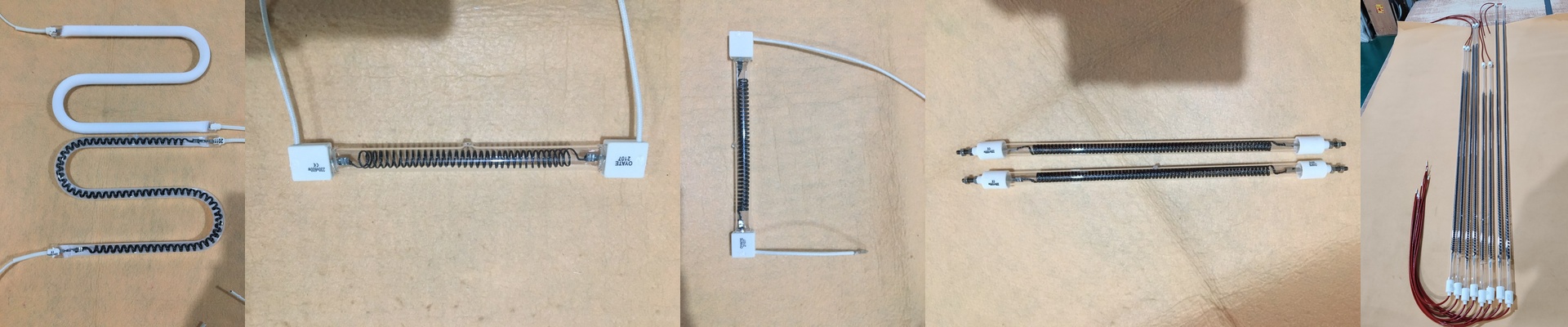
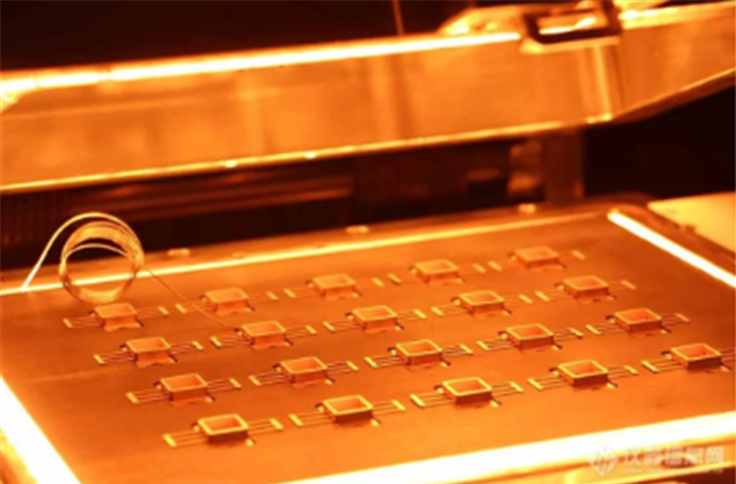
Before a piece of electronics ever touches a car, it has to survive a literal hellscape of temperature swings. That’s where we come in. We build custom infrared (IR) lamps specifically for high-temperature durability tests. These aren’t your average lightbulbs. They’re precision tools. We design them to mimic that suffocating “heat soak” an ECU or sensor feels when it’s crammed under a hood on a July afternoon.
Getting the Heat Right
If you want to simulate an engine bay, you can’t just warm up the air. You need density. We use short-wave IR technology because it actually penetrates the component casing. It goes deep. If you just heat the air, you’re wasting time. By tweaking the wattage and voltage, we can control exactly how fast things get hot. Need to hit 150°C in a matter of seconds? We spec out the power density so there’s no lagging. We use high-wattage quartz tubes to cram a massive amount of energy into a tiny footprint. It’s intense.
The Nitty-Gritty Hardware
We stick with high-purity quartz glass. Why? Because when things get this hot, cheap glass warps. Quartz stays put. For the connections, we usually go with R7s or Sk15 bases. They’re the gold standard for a reason—they stay locked in. The last thing you want is a connection vibrating loose in the middle of a long endurance cycle. Depending on the job, we might add specific coatings. This shifts the emission spectrum so the heat hits the silicon and solder joints directly, rather than just heating up the test fixture.
The Trade-offs (The “Watch Out” Part)
The beauty of these heaters is that you don’t need a giant, clunky convection oven. You get a tight, controlled heat zone. It’s efficient. But here’s the thing: high-density IR lamps are aggressive. If your fixture isn’t heat-sinked properly or your cooling fans are too weak, you’re going to melt your own mounting brackets. It happens. You have to find that sweet spot between the lamp’s output and the chamber’s airflow. If you don’t, you’ll end up with hot spots that mess up your data.