Getting Pro-Level IR Heating Without the “Big Brand” Price Tag
Let’s be honest: most mid-sized electronics shops get screwed when it comes to infrared heating. You’re usually stuck between two bad options. You either buy the cheap stuff that burns out in three months, or you shell out a fortune for a massive, oversized system that eats power and takes up half your floor space. We got tired of seeing that. So, we built our IR lamps to fill that gap. We want to give the smaller shops the same precision the giants have, but without the eye-watering invoice.
The Secret to Faster Heat
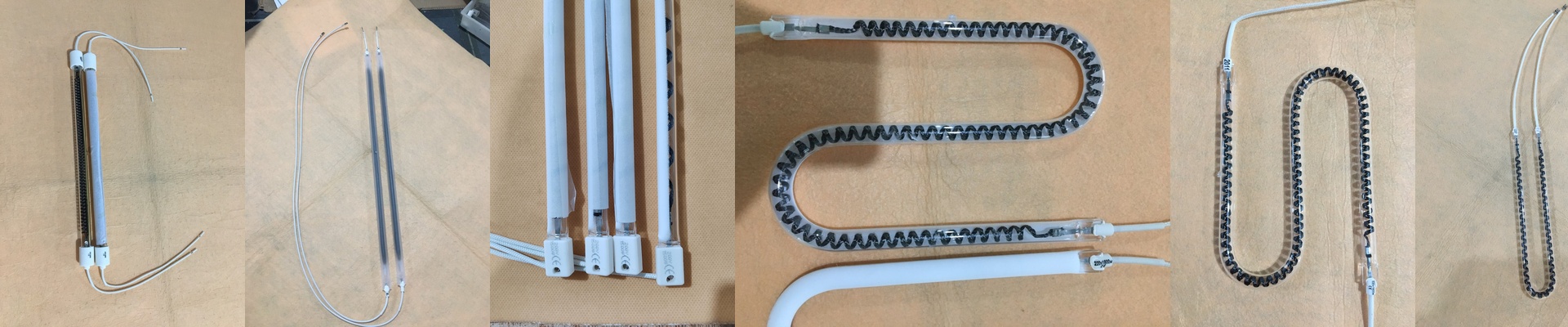
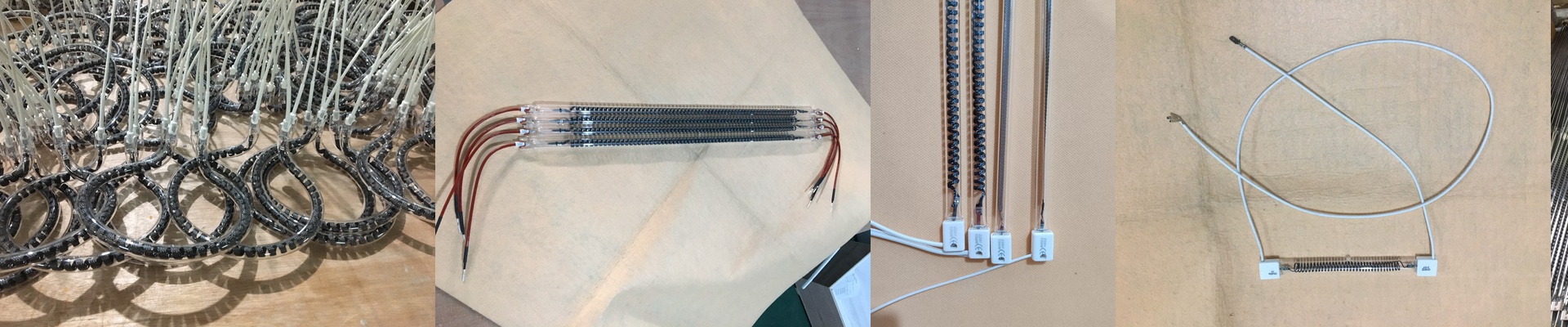
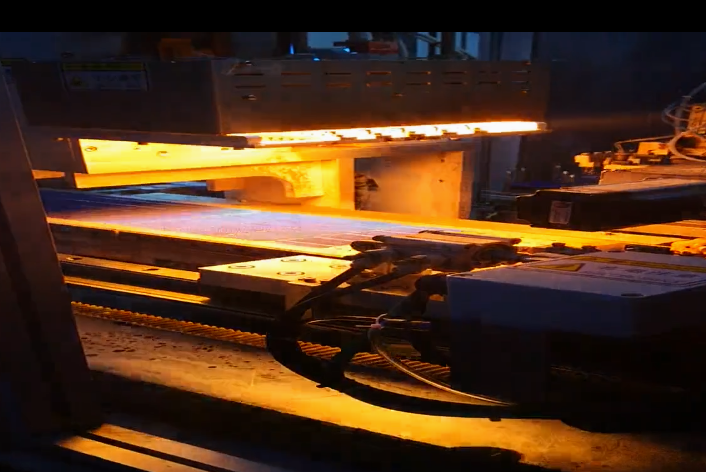
In this business, speed is everything. You need to ramp up the heat fast, or you risk frying your sensitive components. That’s why we lean on shortwave IR emitters. Instead of just blowing hot air around (which takes forever), these lamps push energy deep into the substrate almost instantly. When you’re planning a line for curing or drying, it really comes down to wattage-per-centimeter. More density means you can use a smaller machine. Just a heads-up, though: these things pack a punch. Make sure your power supply can handle that initial surge, or you’ll be spending your morning resetting breakers.
Built for the Actual Shop Floor
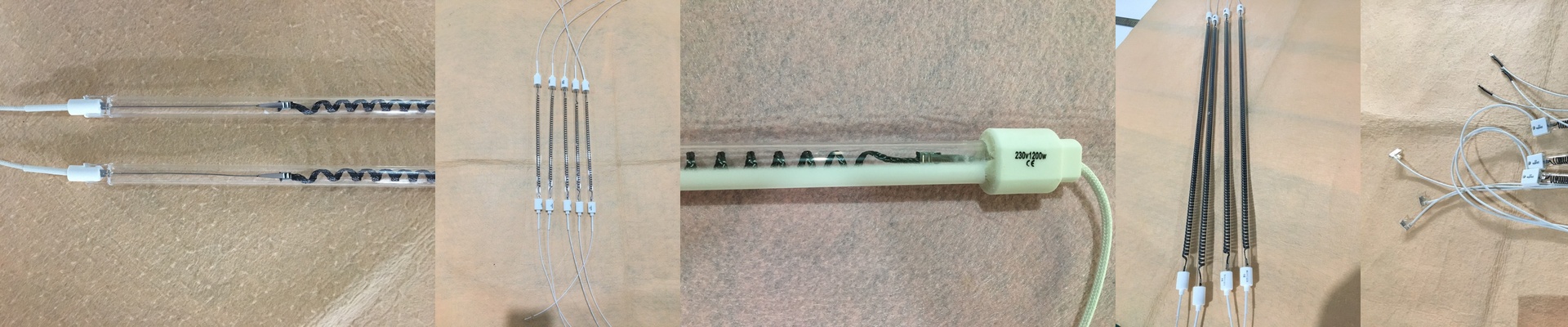
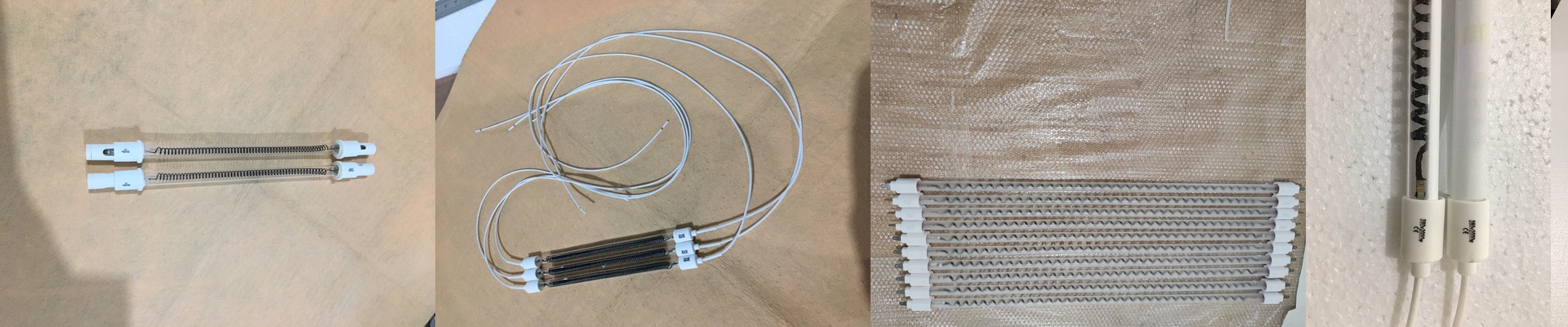
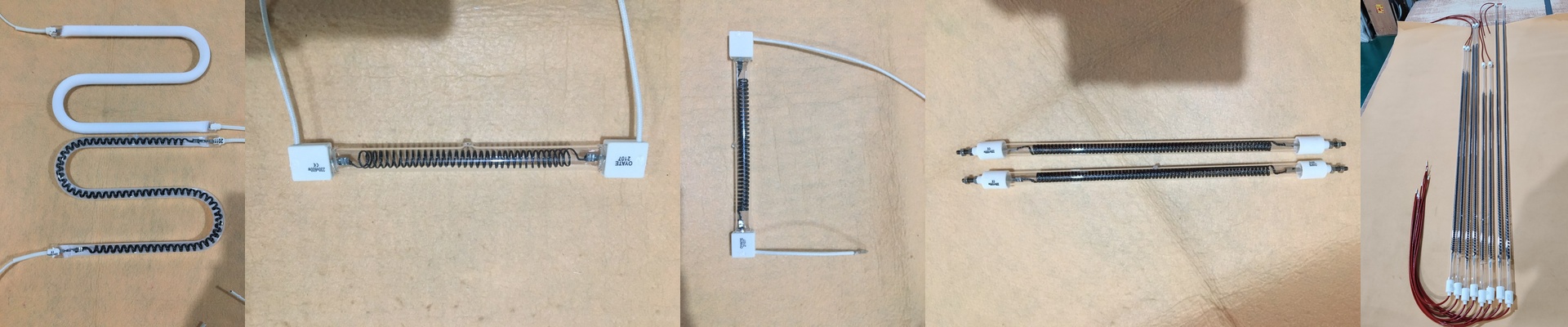
We aren’t interested in over-engineering the housing or adding bells and whistles you’ll never use. We put all the effort into the emitter itself. By using quartz glass and halogen gas fills, we keep the filament from evaporating too quickly. It simply lasts longer. Plus, we use standard connectors. This means you can just pop them into your existing rigs as a replacement for your old, worn-out tubes. No fancy adapters, no headache.
The Trade-off (The Honest Part)
Here’s the thing: high-output lamps create a ton of heat. A lot. While that’s great for your production speed, it’s a bit of a nightmare for your ventilation. If your cooling fans aren’t up to the task, the ends of the lamps will overheat and die way sooner than they should. We provide the raw power. Your job is just to make sure there’s enough airflow to keep the chassis cool. It’s a simple trade-off that lets you hit those high-volume targets without needing a proprietary, million-dollar setup.