Getting Heat Right in Smart Watch Repair
If you’ve ever tried to fix a smart watch, you know the struggle. You can’t just blast it with heat and hope for the best. You’re working with a tiny piece of hardware where a few millimeters can be the difference between a successful repair and a melted OLED screen. The real trick is hitting that one specific spot with exactly the right temperature, while keeping the rest of the board cool.
Why we use SWIR lamps
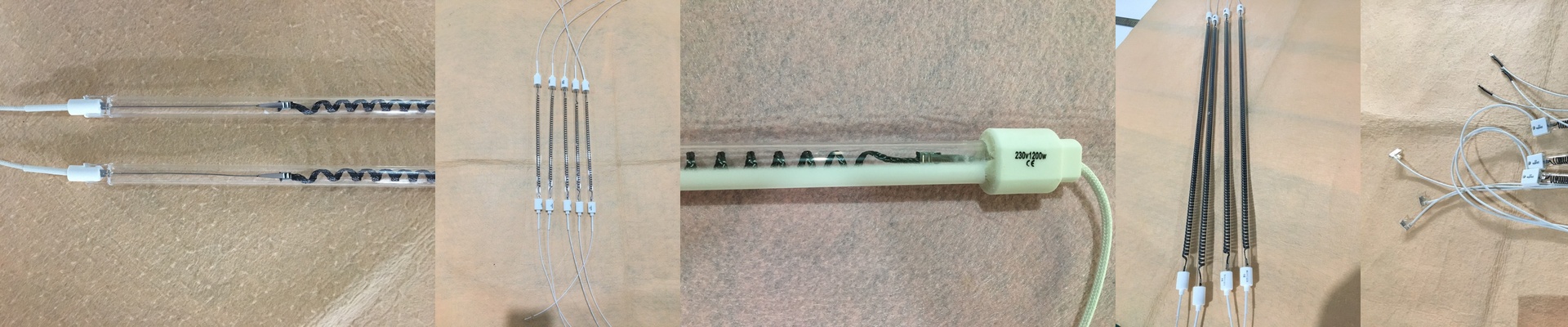
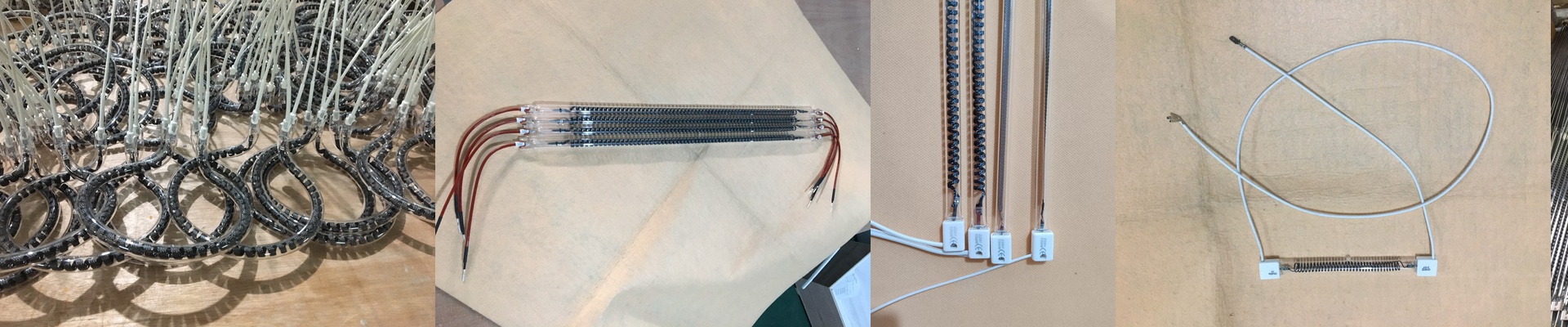
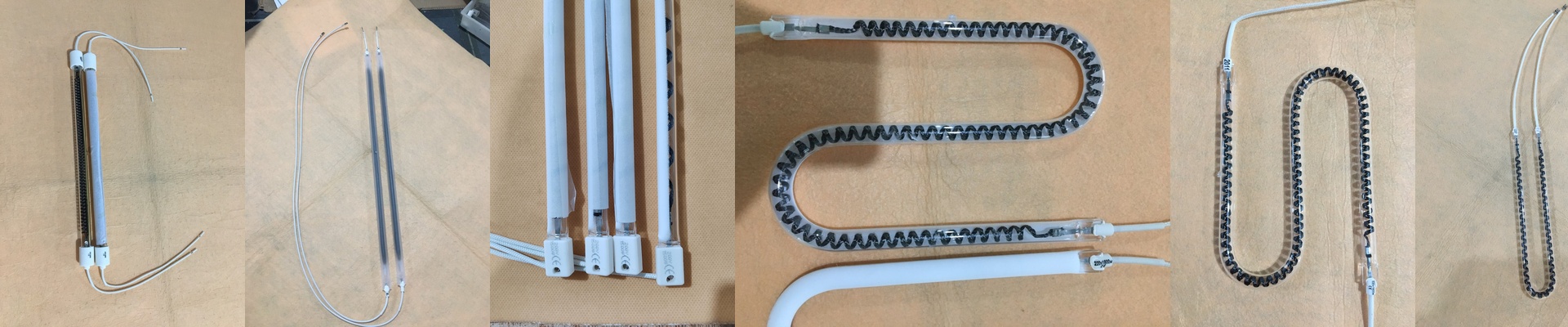
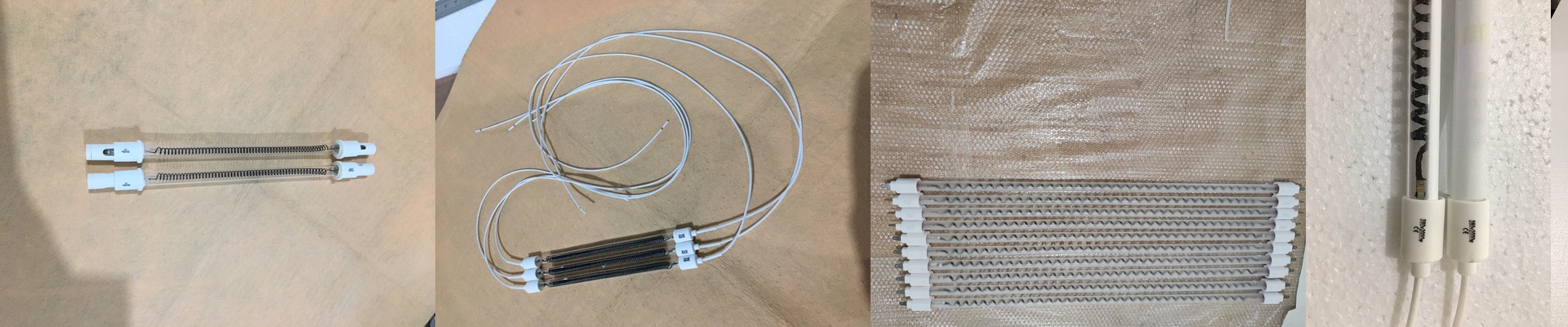
We rely on short-wave infrared (SWIR) lamps because they don’t mess around. Think of a convection oven—it heats up all the air in the room just to warm up a cookie. That’s a nightmare for wearables. These lamps work differently. They shoot energy straight into the target. It happens in seconds. This is a huge deal when you’re working around a lithium-ion battery. You want the adhesive to soften, but you absolutely do not want the battery to soak up that heat. That’s how you end up with a dangerous situation on your workbench.
The nuts and bolts
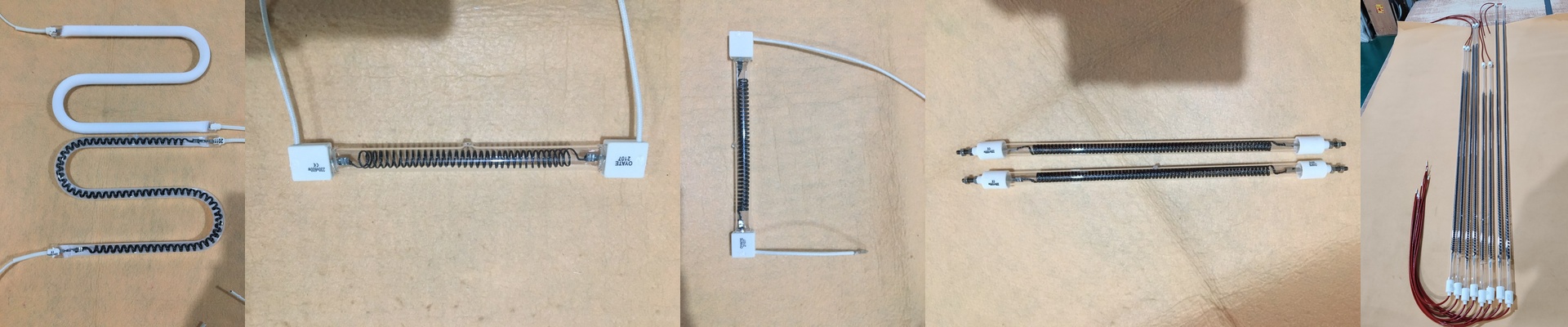
We make these lamps out of high-purity quartz glass. Why? Because it can handle the “thermal shock” of heating up and cooling down rapidly without just snapping. Depending on the setup, we add gold or aluminum coatings. It sounds fancy, but it’s basically a mirror. It bounces the heat back toward the watch instead of letting it bleed out onto your desk. And a quick tip on the wiring: don’t skimp on the connectors. We use standardized pins to keep everything tight. A loose connection isn’t just annoying—it creates a hot spot that can actually melt the plastic housing.
The trade-off
Here’s the catch. When you’re pushing a lot of heat into a tiny area to melt glue fast, the lamp housing itself gets hot. You can’t just tuck this into a closed box and call it a day. If you don’t have a way to move the air, the ambient temperature starts to drift. Once that happens, you lose the precision you were aiming for. A simple, dedicated exhaust fan fixes this. It keeps the system stable and your workspace breathable.