Let’s Talk Carbon Infrared Heaters
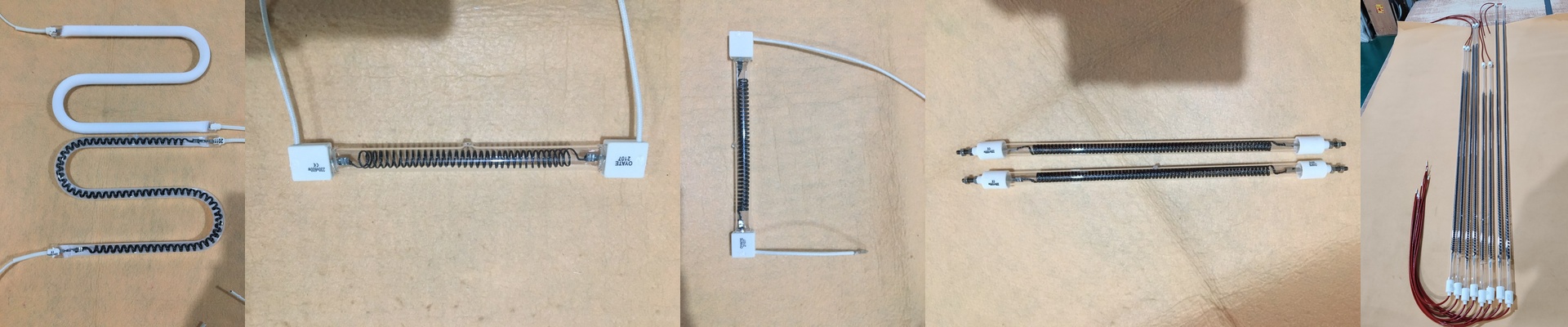
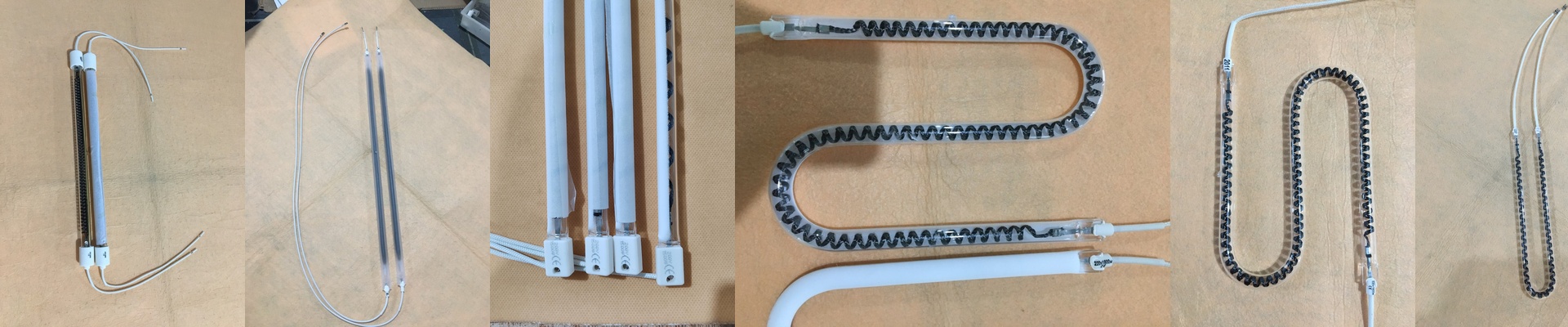
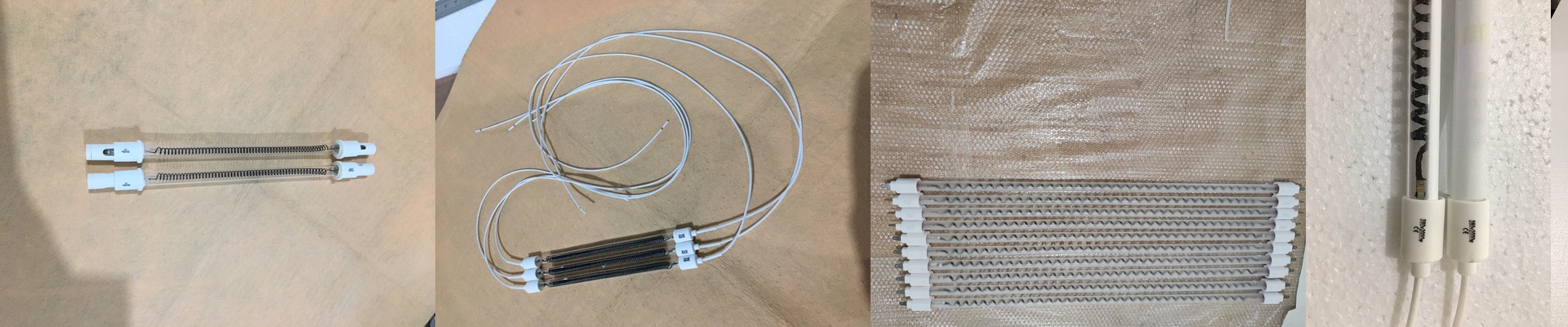
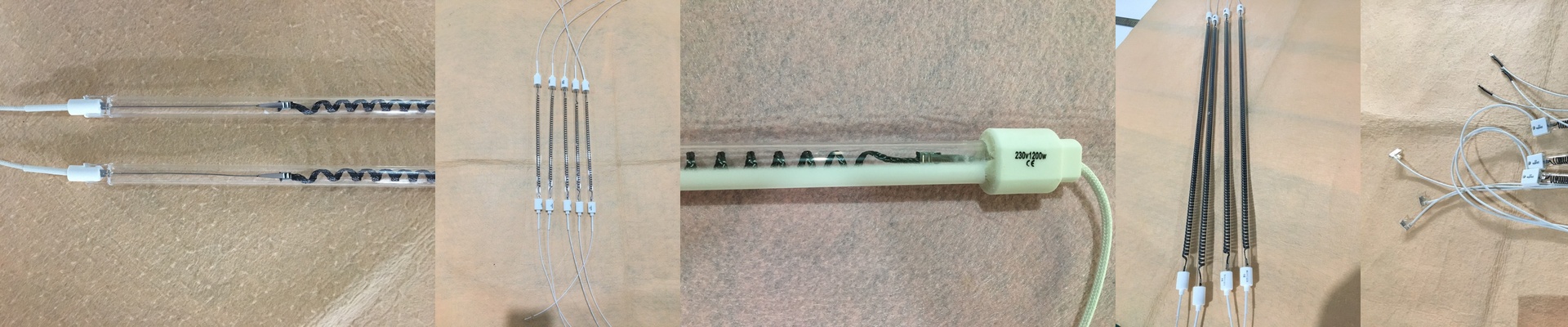
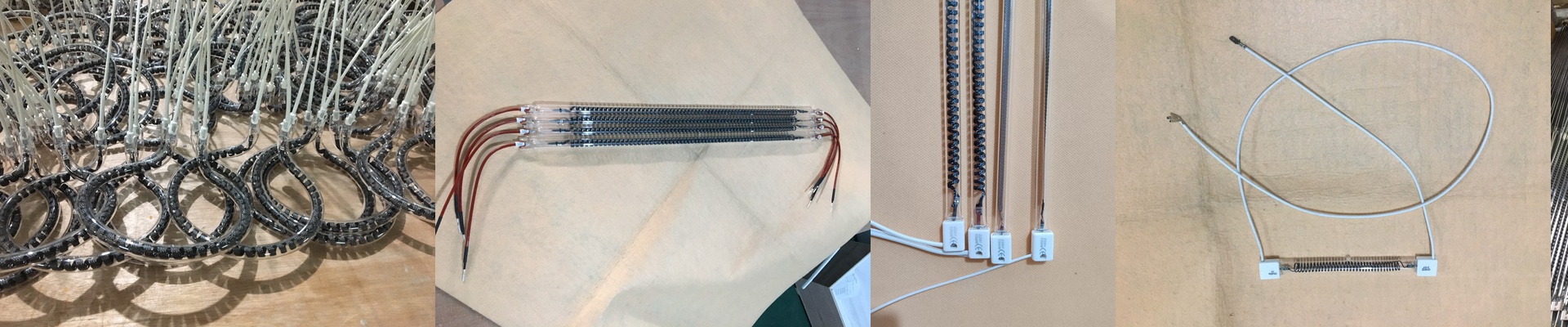
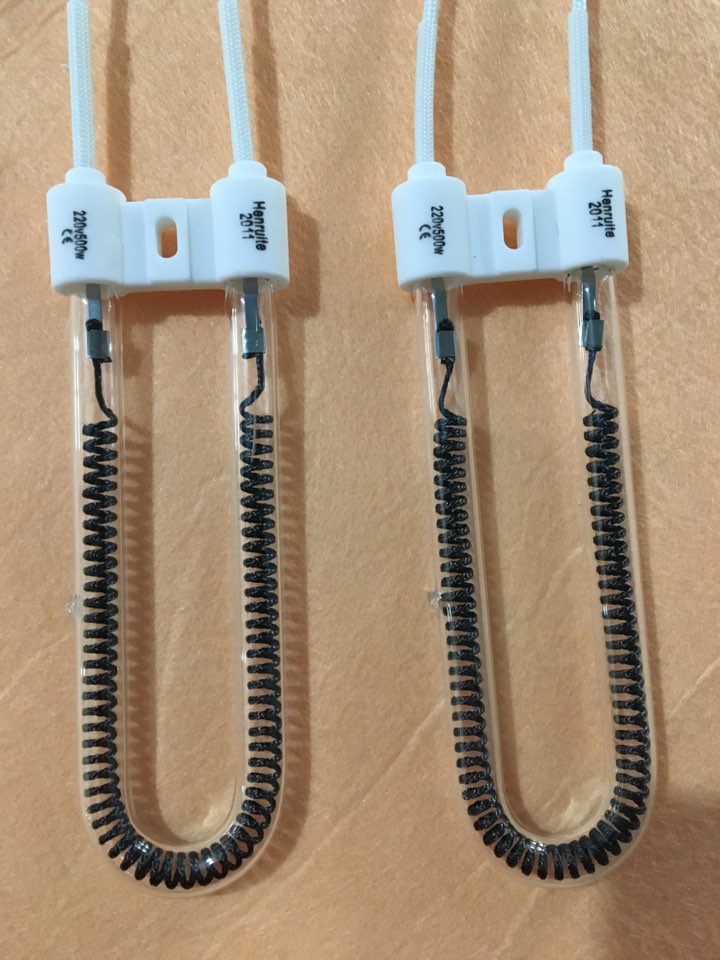
Ever wonder why some heaters feel like they’re actually working while others just blow lukewarm air around? It comes down to the guts of the machine. We use a carbon filament tucked inside a quartz tube. Now, you might see metal alloy filaments in other gear, but carbon is different. It hits higher emissivity and reacts way faster. If you need a massive amount of heat and you need it now, this is the way to go. The tricky part: Power and Voltage Here’s the thing about wattage and voltage. It’s a balancing act. If you’re trying to push 2000W through a short tube, you have to be incredibly careful with your voltage control. If you aren’t, you’ll fry the filament before you even get started. We often go with high-voltage setups. Why? Because it lowers the current draw. That means you can hook up more lamps to a single circuit without tripping your breakers every ten minutes. Just a heads-up:**match your voltage exactly.**If you plug a 230V lamp into a 400V line, it’ll pop instantly. No survivors. What they’re actually made of We use high-purity quartz. We do this so the tubes don’t warp or twist when things get scorching hot. Some of our units have a special coating that pushes the heat into the “shortwave” spectrum. In plain English? The heat doesn’t just sit on the surface; it actually sinks deep into the material you’re working on. As for the plugs, we stick with R7s or Sk15 connectors. They aren’t fancy, but they’re industry standards for a reason. They lock in tight and won’t rattle loose, even if your machinery is vibrating like crazy. Real-world use on the floor You’ll see these all over the place in automotive curing or PET blowing. The fast cycle time is a huge win—it just shaves time off your entire process. But there’s a catch. Because these things put out so much heat, you have to keep your reflectors spotless. If dust or oil builds up, you’ll get “hot spots.” Those spots can actually crack the quartz tube. And if you’re swapping these into an old rig, do yourself a favor and check your wiring gauge. These high-wattage lamps pull a lot of current. If your wires are too thin, they’ll overheat, and that’s a problem you don’t want.