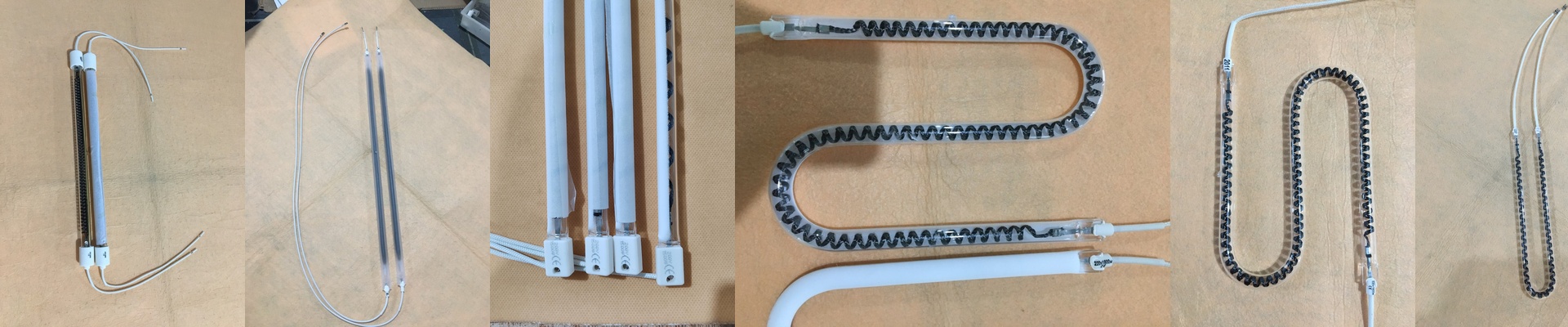
Let’s talk about the 12V Carbon Fiber IR Lamp
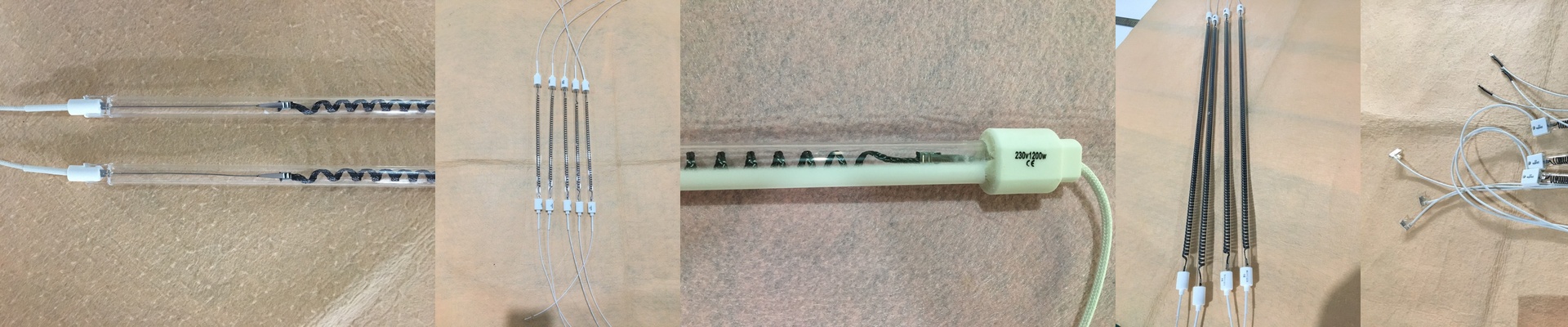
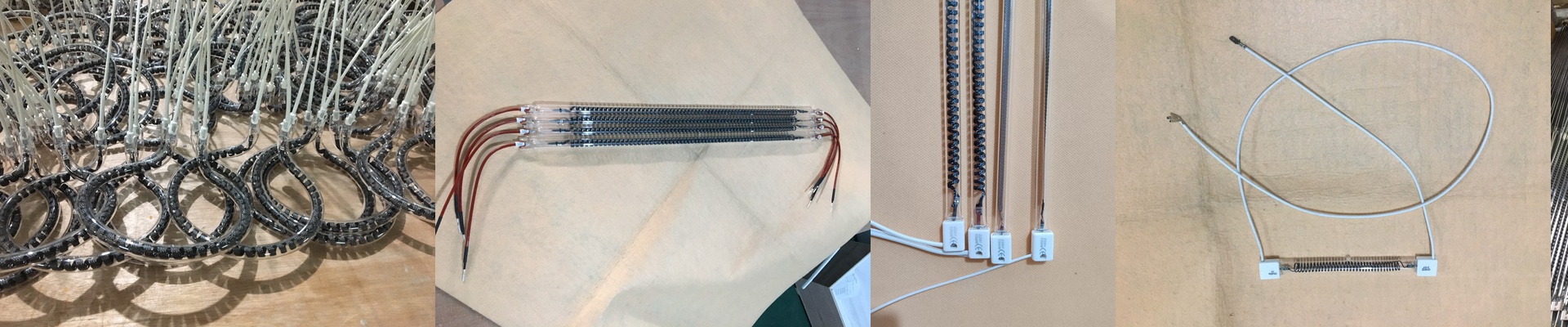
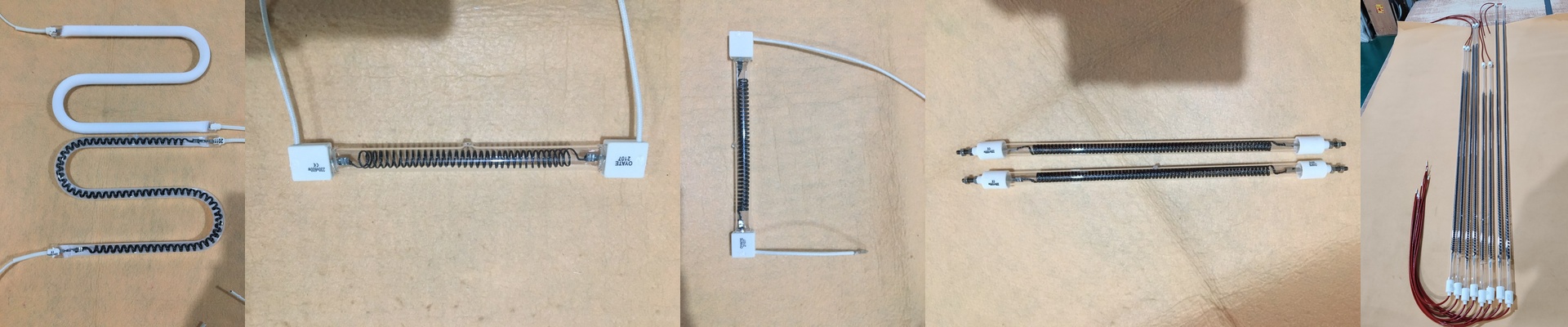
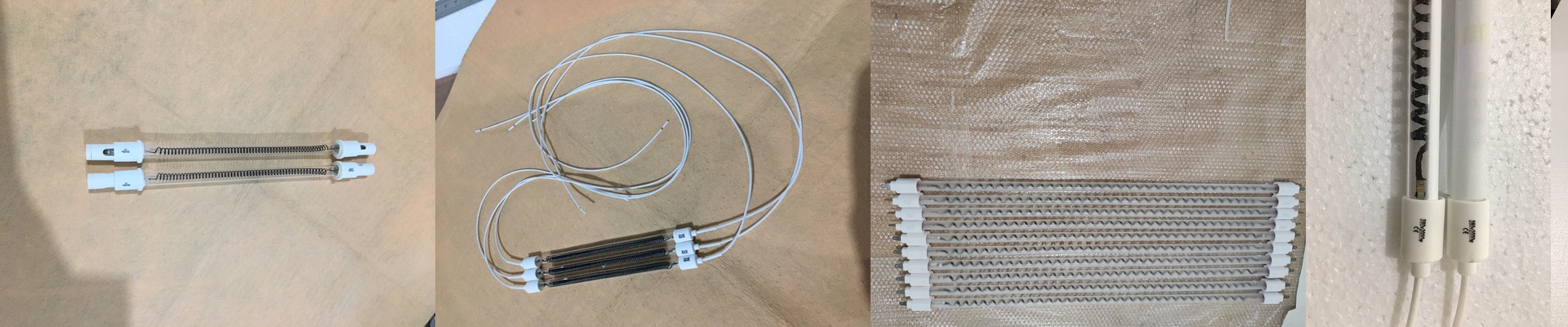
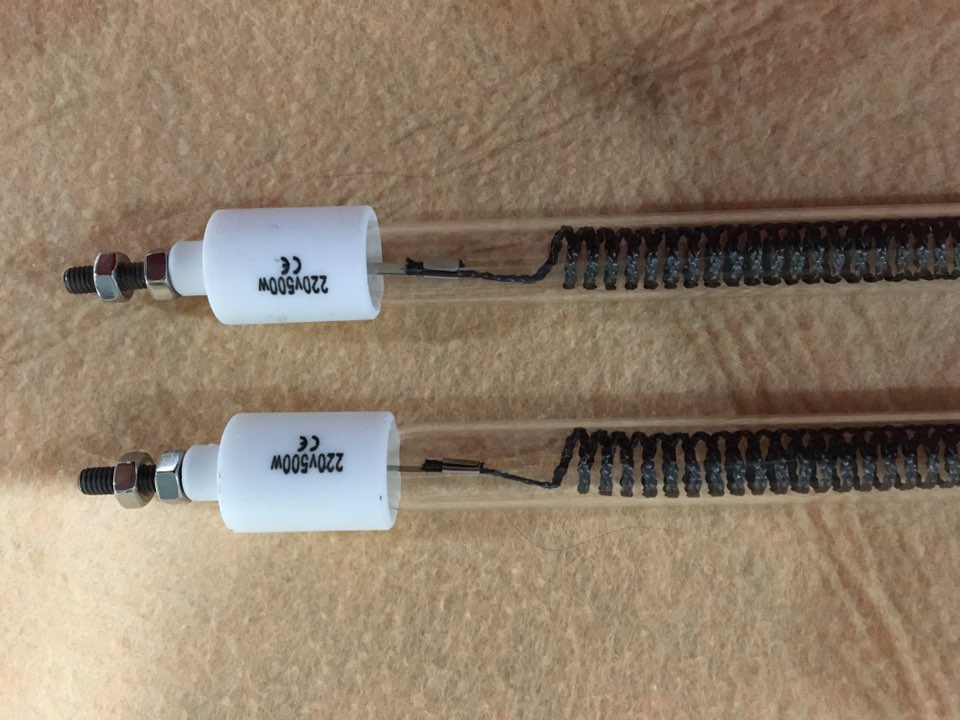
We built these lamps for those tight spots where you need a ton of heat but can’t risk messing around with high-voltage mains. If you’ve used old-school tungsten filaments, you know they can be spotty. These carbon fiber emitters are different. They spread the heat evenly across the whole tube, so you don’t end up with hot spots and cold zones. The 12V reality check Here’s the thing about running on 12V: it’s a specific beast. You’re dealing with a high current draw, which means your wiring actually matters. If you use cables that are too thin, you’ll get a voltage drop and the lamp just won’t get hot enough. It’s frustrating. We designed these to snap to peak temperature in a few seconds. It’s nearly instant. Perfect if you’re running a system that needs to kick in and out quickly. What’s inside the glass? Inside that high-purity quartz tube is the carbon fiber filament. We use quartz because it basically lets the shortwave IR radiation slide right through. Instead of the glass soaking up the heat, the energy goes exactly where you want it—onto your target. We also put a lot of work into the end-cap seals. If any gas leaks in, the filament burns out immediately. No one wants to replace a lamp because of a tiny leak, so we made sure those seals are tight. Getting it into your project These are great for small-scale curing, automotive tweaks, or any localized heating job. Since they’re 12V, you can plug them straight into your DC power system without a headache. But a word of warning: these things gethot. The energy density is high. If you mount these too close to plastic, you’re going to melt your housing. Give them some breathing room. Think about your ventilation or throw up some heat shielding so your chassis doesn’t take a beating. And before you swap these into an old setup? Double-check your power supply’s amp rating. You don’t want to blow a fuse the second you flip the switch.