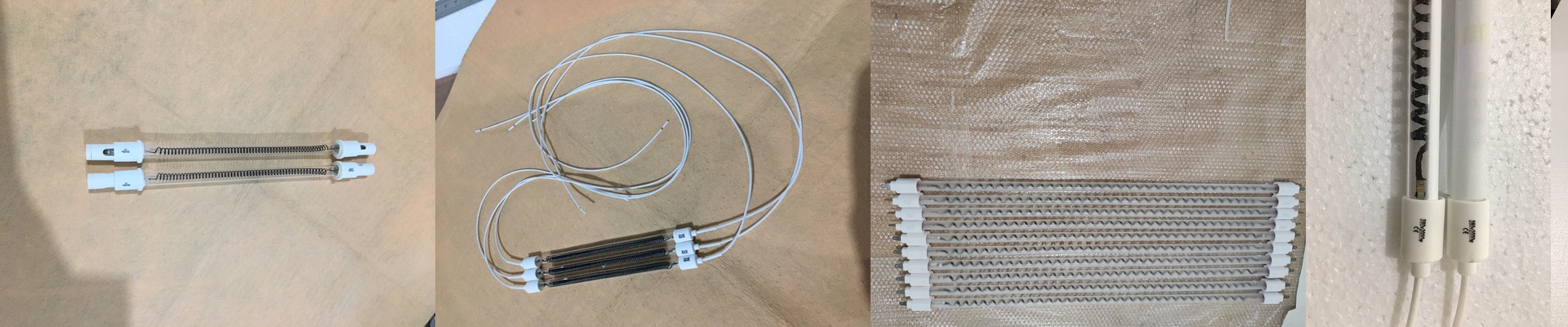
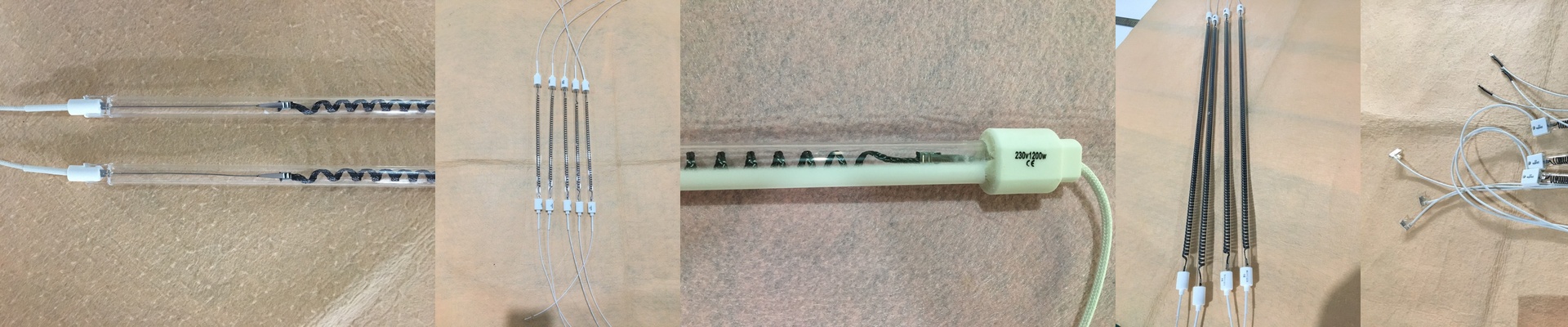
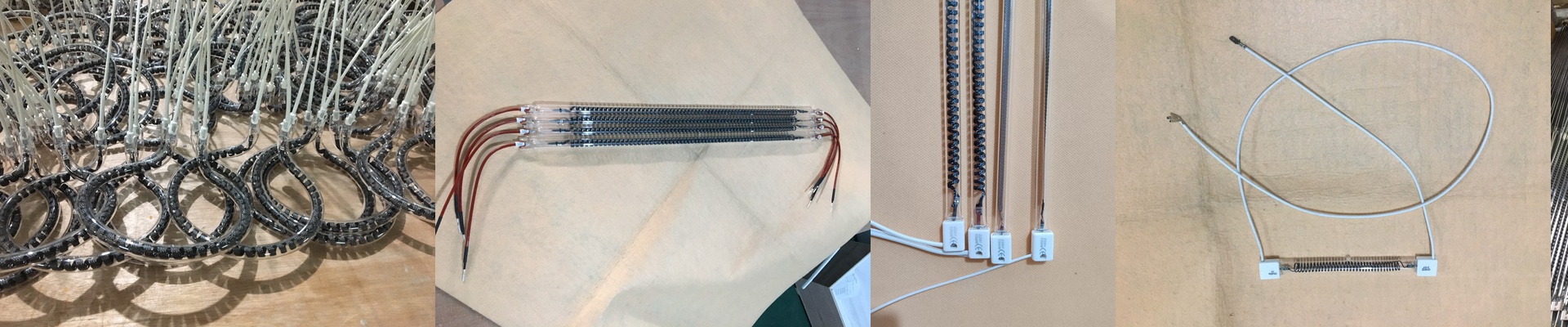
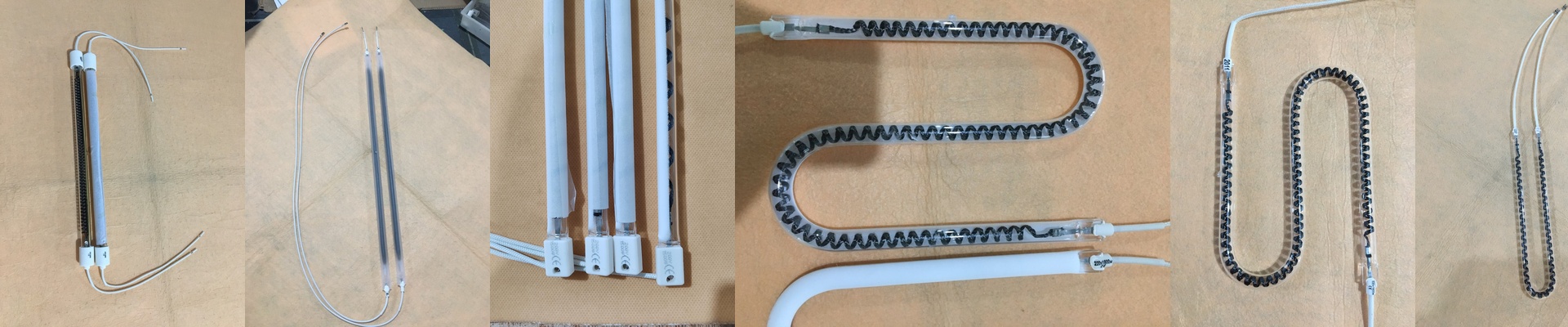
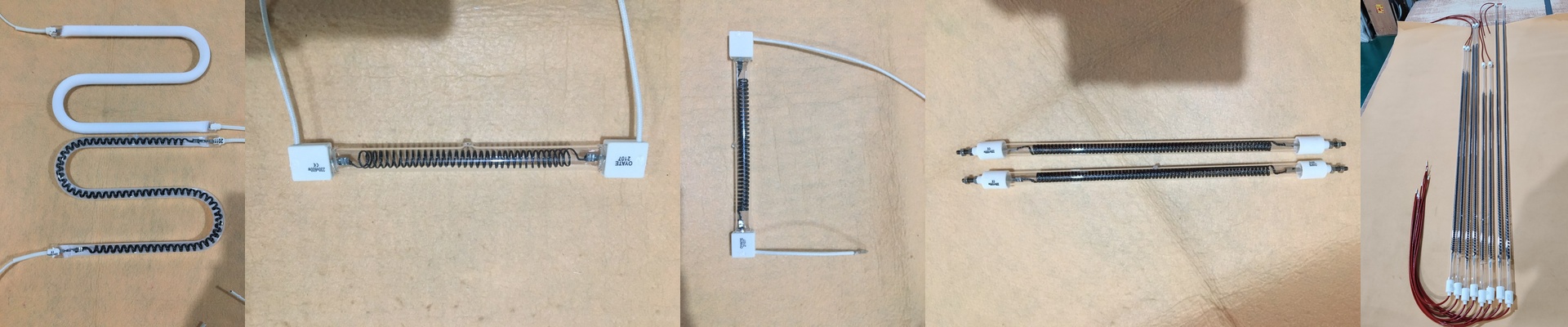
The 220V Carbon Fiber IR Heat Lamp: Built for Engineers Who Need Heat—Now
We designed this 220V carbon fiber infrared heat lamp for the people who can’t afford guesswork: engineers who need predictable heat, in a footprint that doesn’t fight for space, and a response time that keeps the line moving. If you’ve ever tried to cram a heater into a tight spot—only to watch your cycle times slip—this was built for that kind of reality.
Voltage, power, and size: the practical stuff that matters
The 220V rating isn’t a random spec. It’s there because it lines up with standard industrial line voltage, so you can wire it in without reworking control panels or hunting down transformers. Then there’s the carbon fiber heating element. It’s all about high power density, which means one thing on the floor: it heats up fast. In a lot of applications, that translates to hitting setpoints quicker than you’d get with traditional resistance wire heaters. And the dimensions? We matched them to the real-world spaces where heat has to live—tight clearances around molds, sealing bars, conveyor tunnels. That keeps the heat focused where you need it and stops energy from wandering off where it shouldn’t.
What it’s made of—and why that matters when the heat is on
Carbon fiber isn’t just lighter. It holds steady under repeated heating and cooling cycles, which is exactly what happens when you run a process day after day. Wrap that element in a quartz envelope, and you get something that can take high temperatures and resists oxidation. The payoff is consistency: the output stays stable over time, instead of drifting as the unit ages. For the connector, we went with the R7s because it’s proven and tough. It makes mounting straightforward and swapping the lamp during maintenance quick. Less downtime. Fewer headaches.
Where it shines: targeted heat for real processes
This lamp is a natural fit when you need fast, localized heating—plastic forming, adhesive curing, coating drying, and similar steps. Infrared heats the surface directly, instead of warming the air around it. That can make your process feel more controlled and repeatable, because you’re not fighting ambient conditions as much.
A heads-up on the trade-off (and how to stay out of trouble)
High power density is powerful, but it also means you need to plan for the heat it puts out. Give yourself enough clearance, add proper heat shielding, and make sure ventilation keeps control electronics from cooking. The lamp is specced to be a drop-in solution, but you still have to design the thermal environment to match the output. Do that, and it behaves like a tool you can trust—not a problem you have to manage.