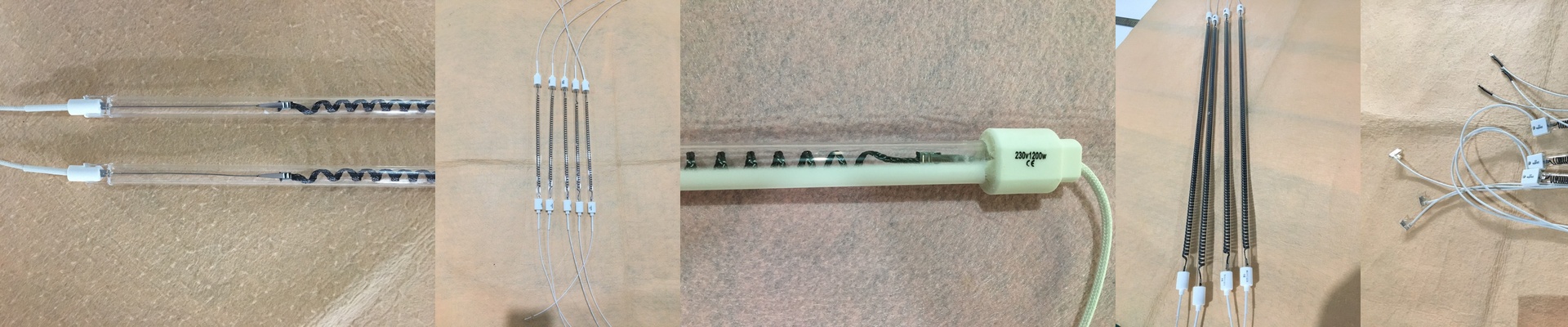
Carbon Fiber Heat Lamp Ovens: For When You Need Heat, Right Now
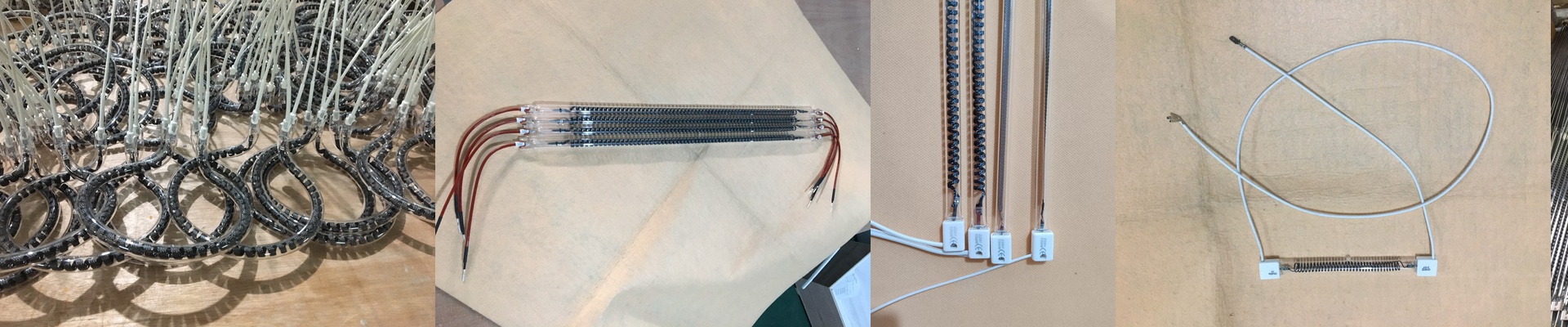
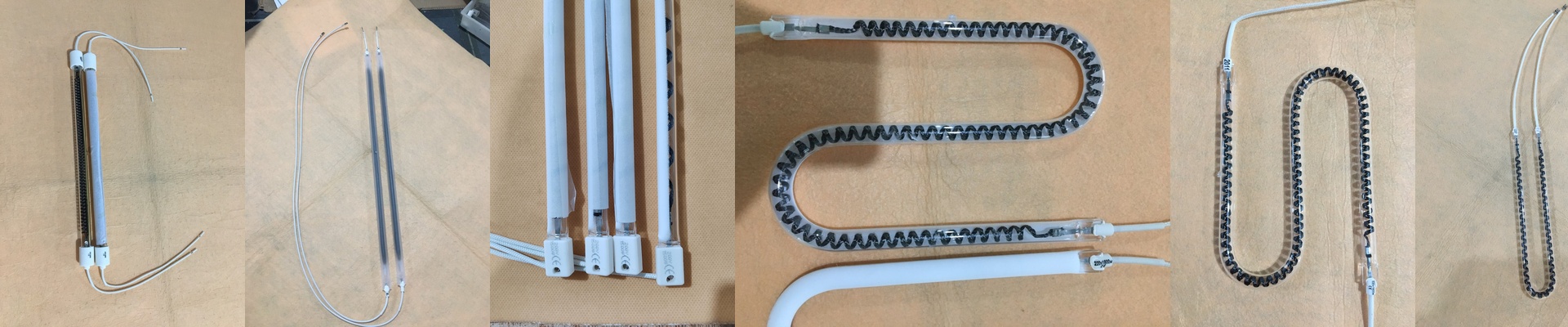
We built these carbon fiber heat lamp ovens for engineers who need serious, focused heat—without taking up half the room. The secret? A carbon fiber heating element tucked inside a quartz envelope. It throws out intense infrared heat, fast. This isn’t your average space heater. It’s for spot work. Curing. Process heating. Think of it as a precision tool for jobs where you need heat to hit hard, hit fast, and hit exactly where you want it.
The Power Behind the Heat
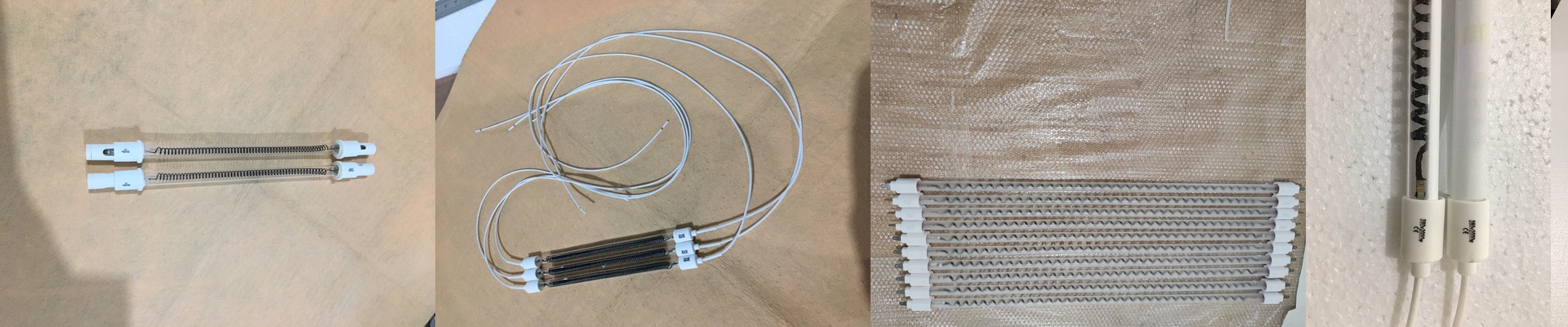
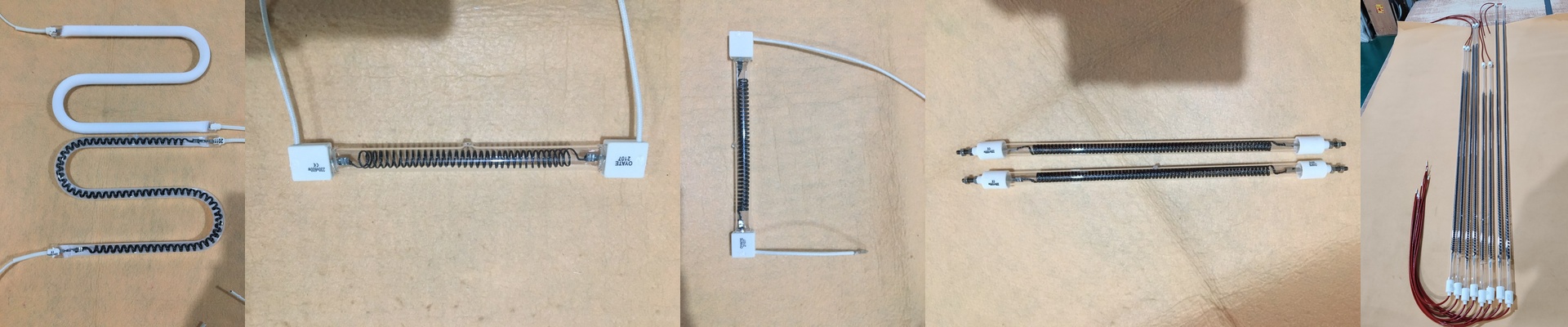
It all starts with the electrical specs. We run these lamps at 400V, with a 2500W rating. That pushes serious current through a compact filament. The result? High watt density. In plain English: it gets hot fast and hits peak temperatures without messing around. The 300mm tube length keeps the heat zone tight. You get a concentrated hot spot, not a blast of wasted energy over a wide area. And because this kind of power needs a solid connection, we use an R7s connector. It’s a double-ended, direct-contact base made for high-temp quartz tubes. It holds the current steady and keeps the lamp perfectly aligned inside the reflector.
Why Quartz, Coating, and That R7s Base Matter
The quartz envelope isn’t just a nice-to-have—it’s essential. Quartz stays strong at extreme temperatures and lets infrared pass through cleanly. That means more usable radiant heat and less wasted energy heating up air. We also add a coating on the quartz. It manages emissivity and protects the filament environment, which smooths out the temperature and prevents hot spots that can kill an element early. Then there’s the carbon fiber element itself. It holds consistent resistance along its length, so the heat profile stays even. In practice, that means fewer temperature swings across your target. And the R7s base? It makes installation dead simple. Drop it in, line it up, lock it down. Done.
Where This Setup Shines
Use this lamp when you need serious heat density in a small footprint. Curing adhesives. Preheating molds. Localized drying. The 400V, 2500W punch gives you the power, and the 300mm length keeps the heat where you need it. But here’s the trade-off: high watt density means you have to manage the heat. The lamp runs hot, and the reflector gets hot too. Plan for proper airflow or heat sinking, or your surrounding components will pay the price. For engineers, this setup means faster cycle times and heat delivery you can count on. It’s built tough, ready to handle repeated thermal cycles without losing consistency. We designed it to be a workhorse you can depend on, day in and day out.
Keeping It Real: Heat Management Is Non-Negotiable
High-density heating simplifies the delivery, but it moves the challenge to the surrounding system. The lamp and reflector will get hot. If your machine isn’t built to shed that heat, you risk cooking nearby electronics or mechanical parts. So, spec the lamp for the temperature you need—then make sure the cooling and mounting are up to the job. In the field, this setup performs best as a focused heat source, not a general oven. Keep the target distance steady, keep the airflow consistent, and you’ll get repeatable results. We built it to be installed, run hard, and maintained with minimal downtime.