Carbon Fiber Halogen Lamps: High-Density Infrared for Industrial Heating
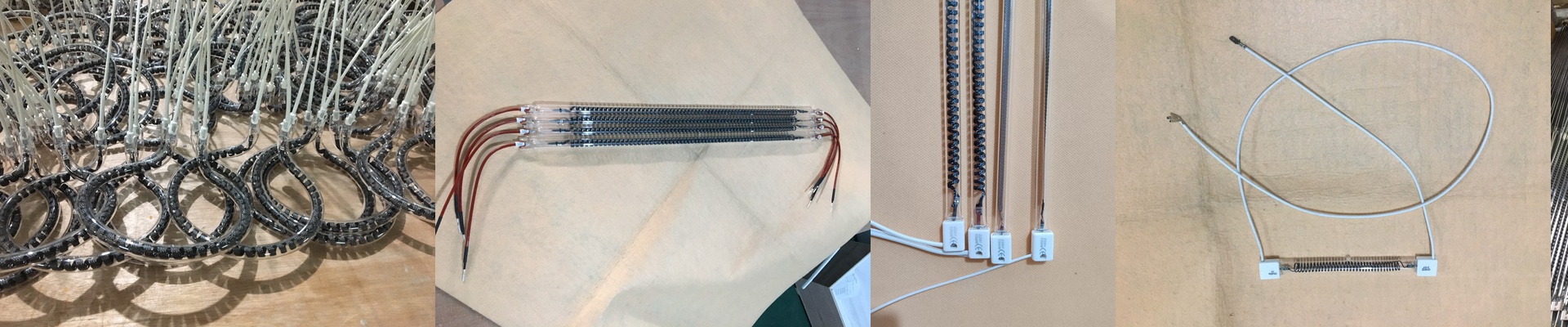
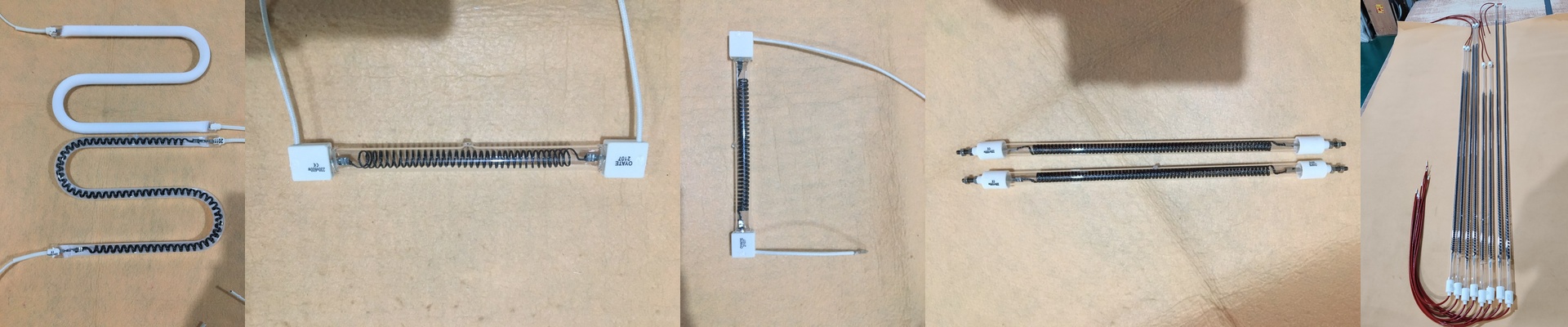
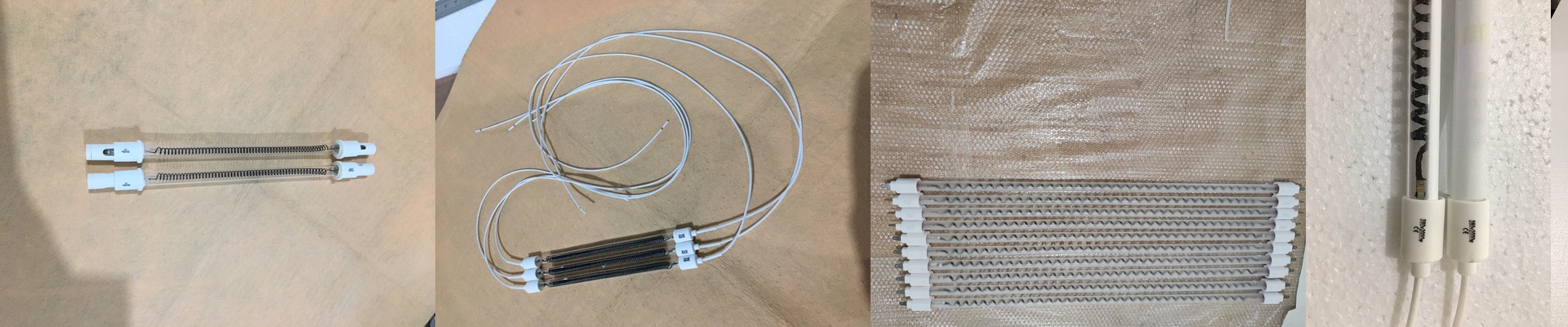
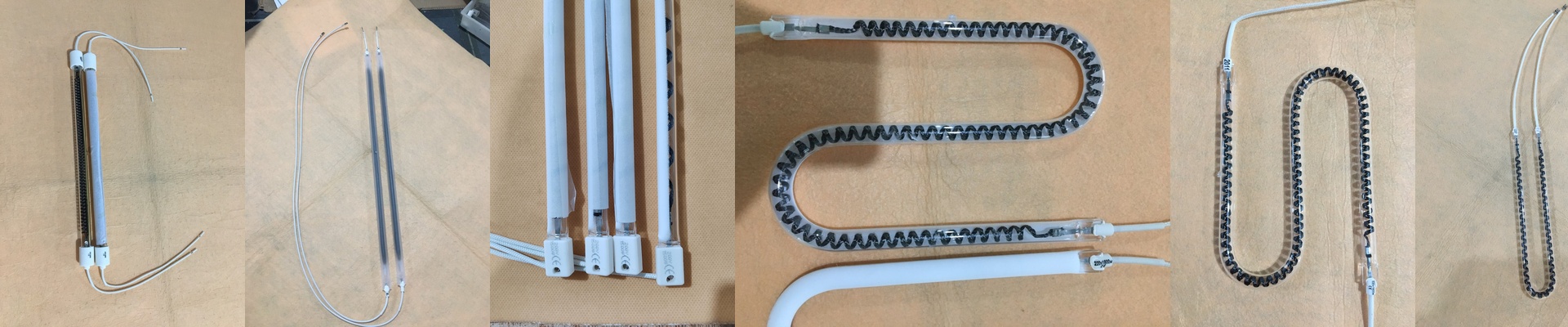
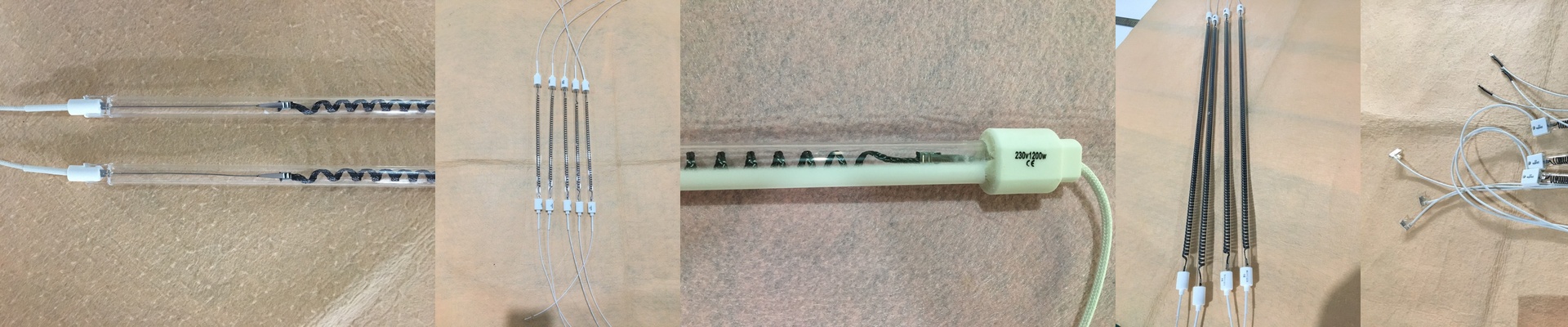
We built these carbon fiber halogen lamps for engineers who need heat they can count on—right where they need it, in tight spots. These aren’t your everyday bulbs. They’re focused infrared emitters, built inside a quartz glass tube with a carbon filament and a halogen gas fill. The result? They run hot, fast, and steady.
Power, Voltage, and Geometry—Why It All Matters
These lamps are all about packing a lot of heat into a small footprint. Take the typical setup: 2500W on a 400V supply. That keeps the current lower than a 220V design at the same wattage. Why does that matter? When you’re wiring a compact heating bank, it means you can use smaller conductors and ease up on terminal stress. Less hassle, less heat buildup in the wiring, and a cleaner install. And the 300mm length? It’s intentional. Long enough to create a uniform heating zone, short enough to squeeze into crowded tooling. Because these lamps respond in shortwave, they hit the target fast. No long warm-up. No waiting around for thermal inertia. Your cycle time stays tight, and so does your control.
Material & Design: The Why Behind the Parts
Let’s talk quartz. It handles rapid temperature swings without cracking—so your lamp stays reliable when the heat turns on and off quickly. Inside, the halogen cycle does a neat trick: it helps re-deposit evaporated filament material. That fights blackening and keeps output steady over time. The carbon filament gives us a predictable resistance curve and a broad infrared profile that works well with plastics and glass. And the R7s connector? It’s practical. It carries high current, keeps alignment solid, and makes the lamp a straightforward drop-in replacement in many standard fixtures. No redesign needed.
Where They Shine: Tough Jobs, Focused Heat
You’ll often see these lamps spec’d into PET blowing, tube forming, and shrink applications. Places where you need fast, controllable heat without turning the whole room into a sauna. The shortwave output concentrates energy exactly where it’s needed. And the compact shape makes integration easier—especially when you’re working inside existing tooling. Here’s the reality check: 2500W in a small space creates serious ambient heat. So your machine’s cooling and thermal isolation have to be on point. If they aren’t, you’ll end up chasing temperature drift. But when the setup is right, the payoff is clean, controllable heat—and a process that moves without waiting around.