Let’s Talk About Our 10mm Carbon Fiber Heat Lamps
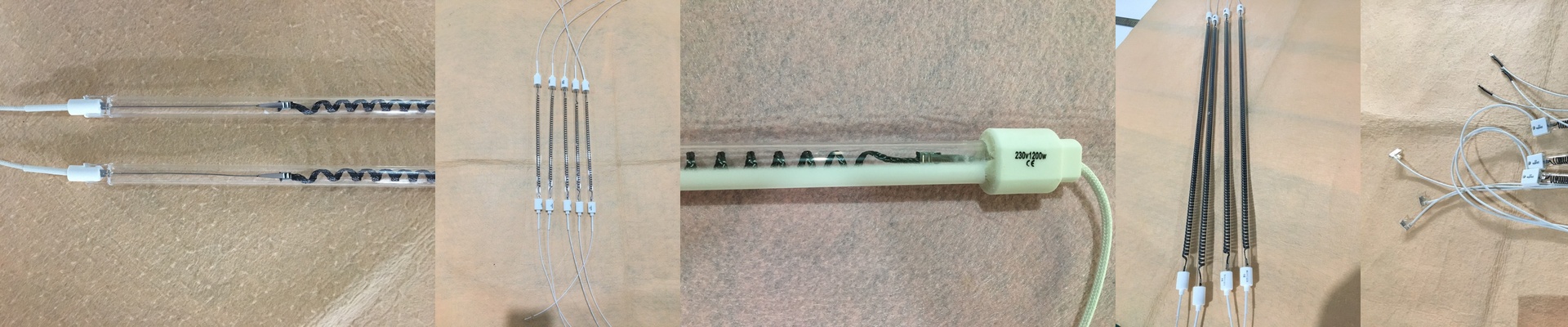
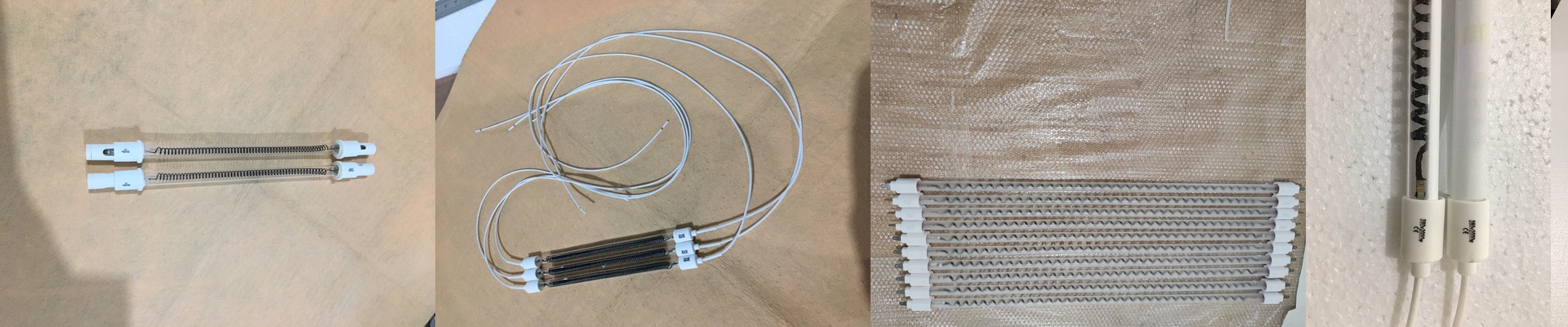
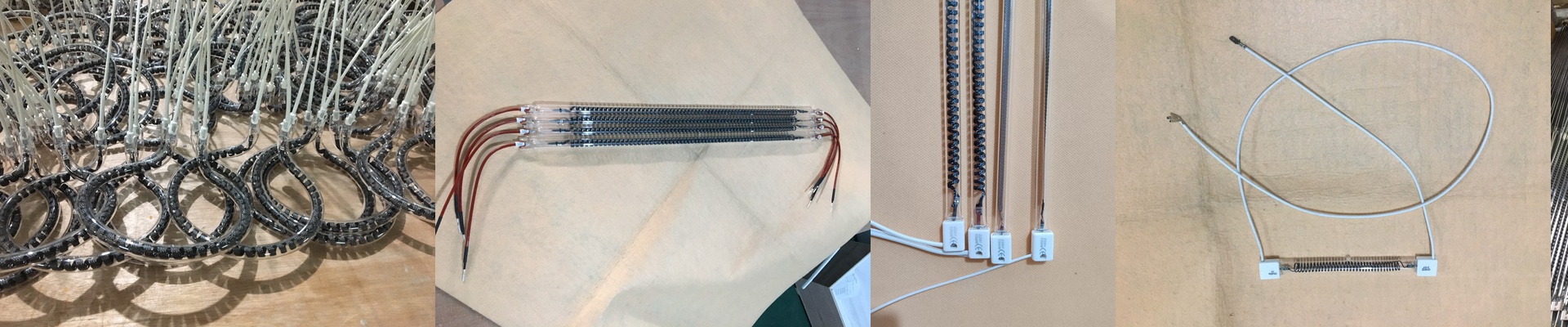
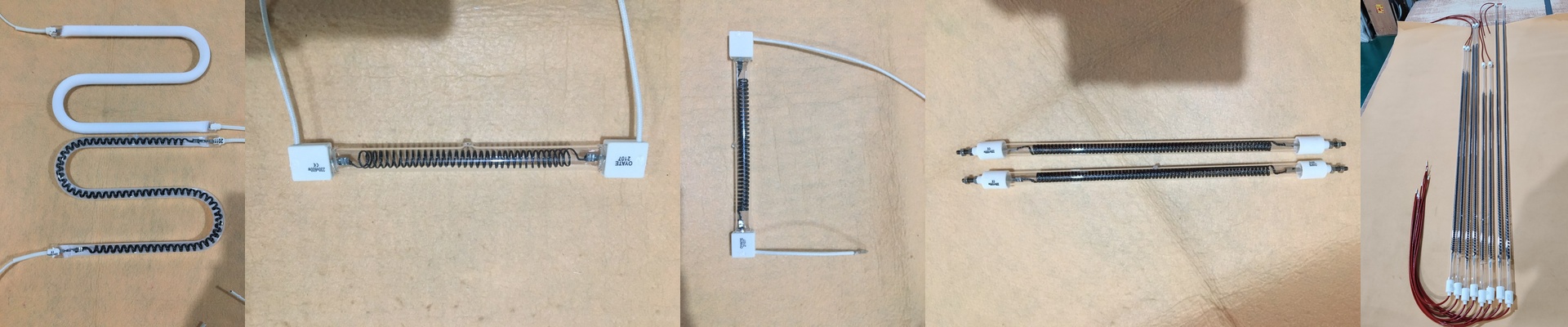
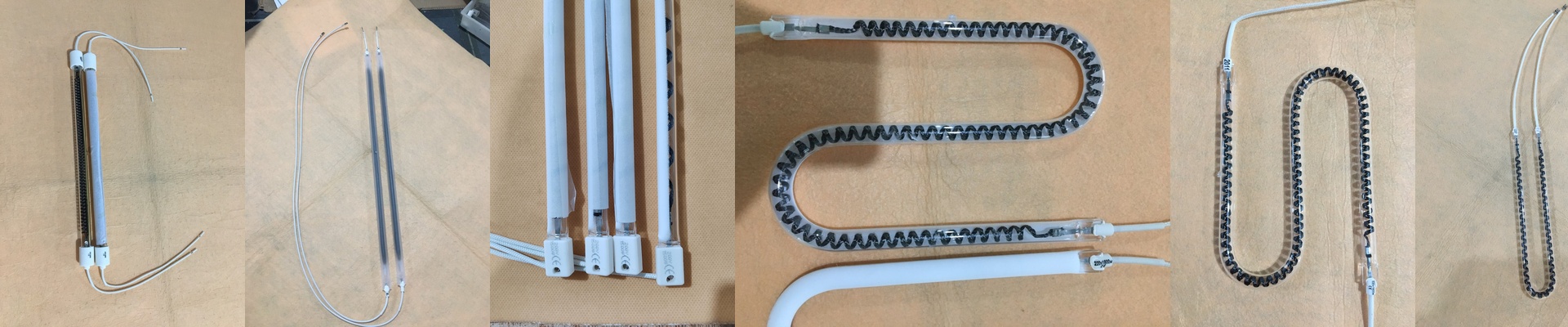
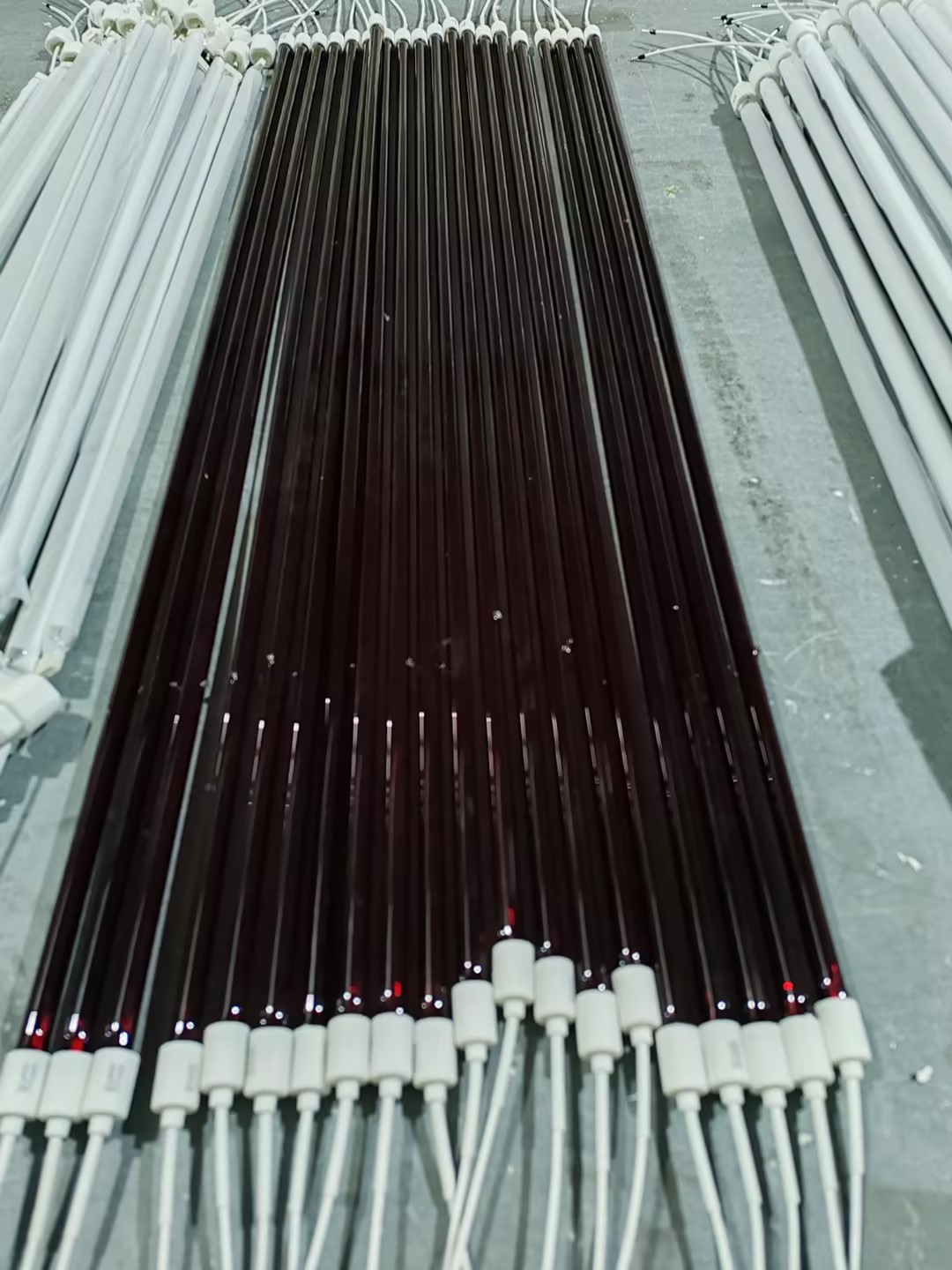
If you’ve spent any time in a detailing shop, you know the struggle of waiting for things to dry. We built these 10mm carbon fiber infrared lamps to fix that. Most people are used to those old quartz halogen tubes. But we did something different here. We tucked a carbon fiber heating element inside a quartz envelope. It changes the way the heat actually hits the car, leaning into those medium-to-long infrared waves that really get the job done. Why 10mm? It’s all about the balance. We found that a 10mm diameter gives us just the right amount of heat density without making the tube unstable. Here’s the best part: carbon fiber doesn’t need to get as blisteringly hot as tungsten to put out high energy. You get a deep, steady heat soak. This means you can cure paint or dry an interior quickly, but you aren’t constantly worrying about scorching a delicate clear coat. It’s a lot more forgiving. The Nitty-Gritty We didn’t just focus on the heat; we focused on the build. The quartz glass is there to handle the expansion as the filament heats up. Plus, we reinforced the end-caps. There’s nothing worse than a lamp burning out at the seal because you’re switching it on and off all day. And since they’re slim, they fit almost anywhere. Whether you’re building a handheld dryer or a big overhead curing panel, they slide right in. A Few Real-World Tips These things are absolute beasts when it comes to pulling moisture out of upholstery or setting a ceramic coating. It makes the shop floor move a lot faster. But, a quick heads-up: carbon fiber doesn’t “behave” like halogen. The resistance is different. If you just swap one for the other without checking your transformer or voltage regulator, you might hit an overcurrent issue. Just make sure your control board is matched to the specific wattage of the carbon fiber element. Do that, and you’re golden.