Stop Scrubbing Your IR Lamps: A Better Way to Handle Solder Fumes
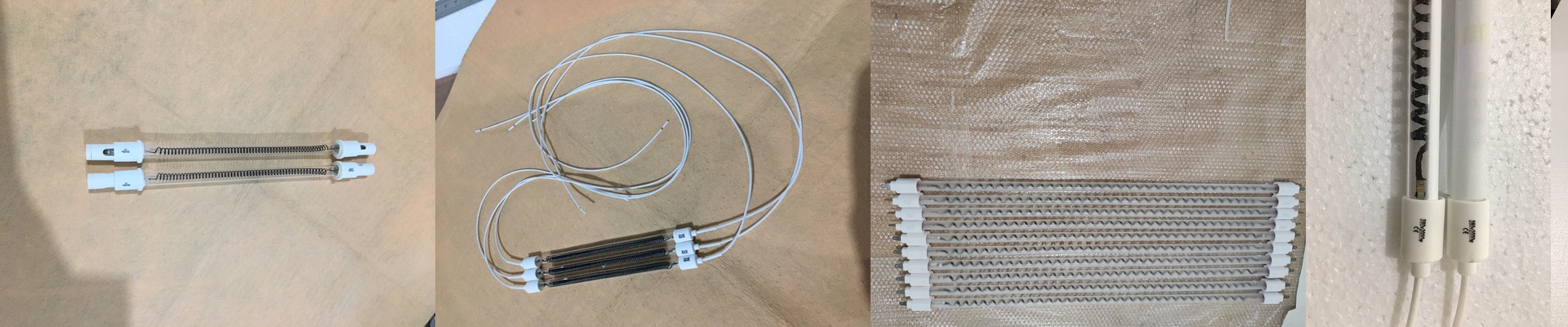
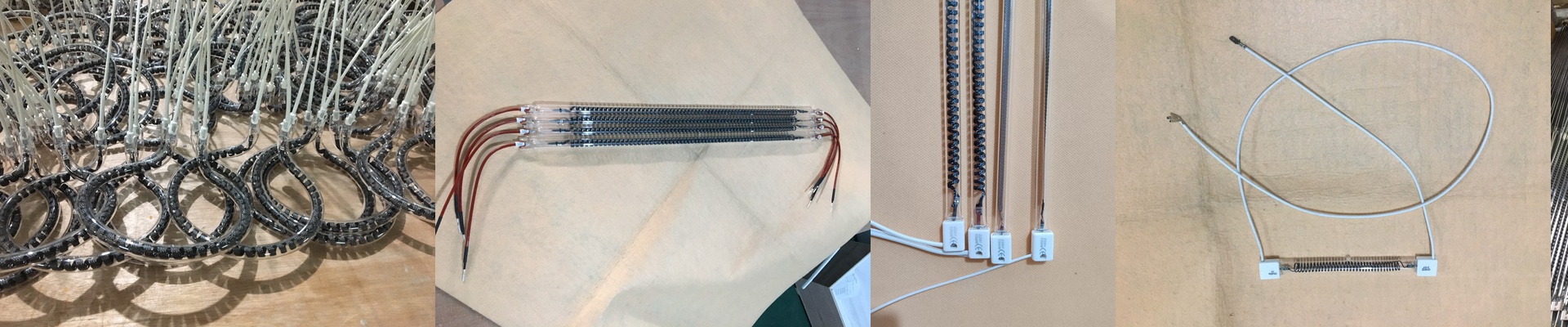
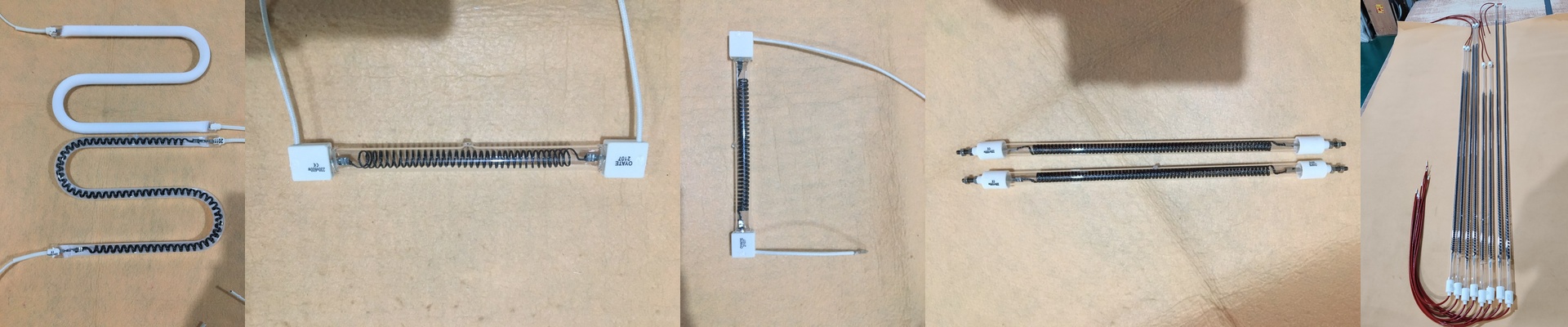
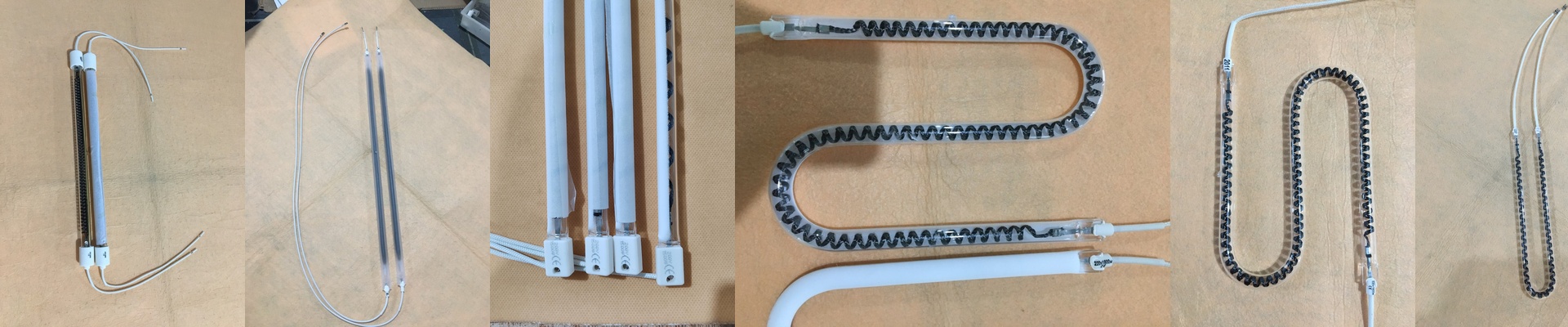
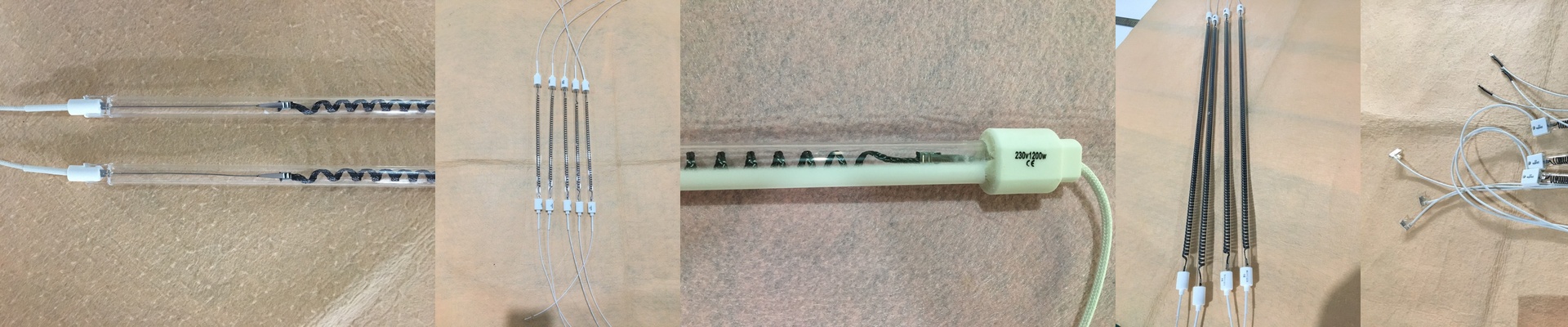
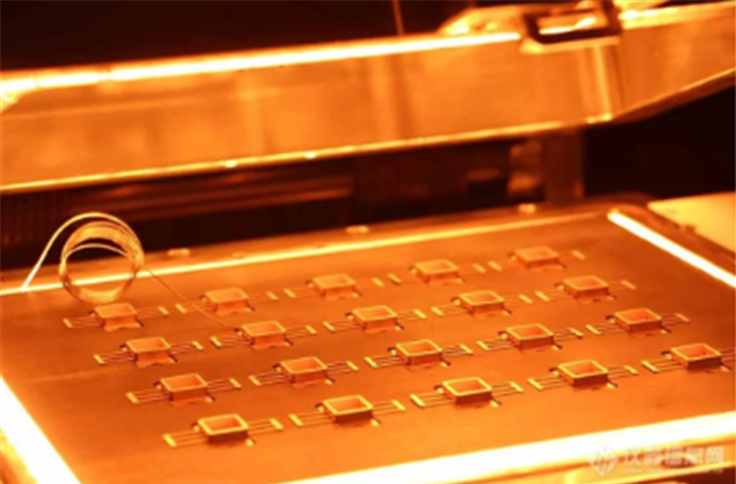
If you’ve spent any real time soldering PCBs, you know the drill. Solder fumes are a total nightmare for infrared heating elements. Those flux vapors and bits of junk float up and settle right on your quartz tube. Once they hit the heat, they bake on, leaving behind a nasty crust of carbon and resin. Here is the problem: that crust acts like a shield. It sucks up the heat that’s supposed to be hitting your board. Suddenly, your lamp has hot spots, your board has cold spots, and your whole process is a mess. The “Air Curtain” Trick We found a way around this. Instead of just letting the fumes drift wherever they want, we put a positive-pressure air curtain between the lamp and the work area. Think of it as a bodyguard for your heater. A precision nozzle blows a steady stream of filtered air across the face of the element. This creates a physical wall. The fumes get pushed away before they even have a chance to touch the glass. Why This Actually Matters Without this, you’re stuck in a loop of replacing lamps and constantly tweaking your thermal profiles. It’s tedious. Keeping the tube clean preserves the original emissivity of the quartz. That means you get the same, consistent heat flux over thousands of cycles. We use short-wave IR emitters for these stations because they dig deep into the PCB substrate, which gets your ramp-up times down significantly. It’s just faster. The Trade-offs (Because nothing is free) Now, adding an air curtain takes a bit of setup. You’ll need a dedicated compressed air line and a solid filtration system. And a word of warning: if your air is oily or wet, you’re just trading one kind of grime for another. You’ll want a high-quality dryer and a 5-micron filter to make sure the air hitting that lamp is bone-dry. Also, that breeze does cool the board surface down a tiny bit. You’ll probably need to bump your power settings up by 5% or 10% to make up for it. Honestly? That’s a tiny price to pay to stop scrubbing carbon off your lamps every two weeks.