Putting Automotive PCBs Through the Wringer
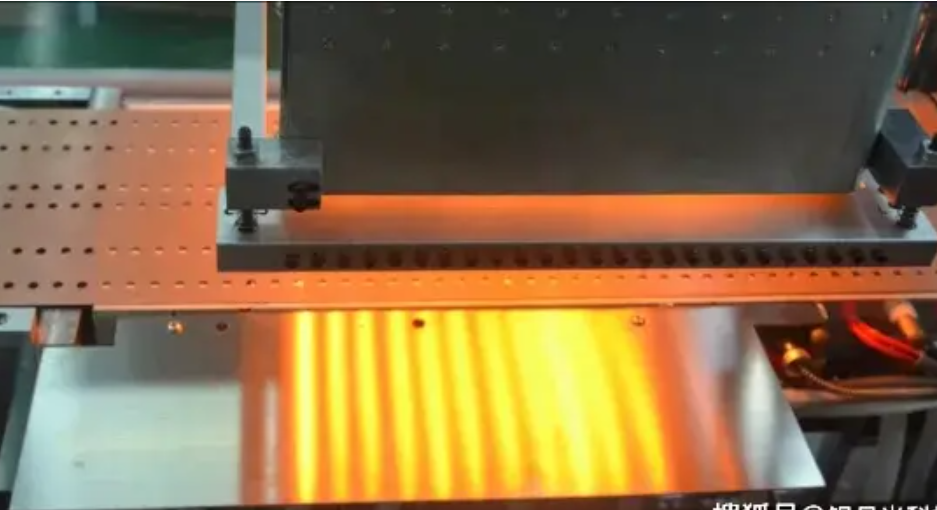
Car electronics have it rough. One minute they’re freezing in a driveway, the next they’re baking in an engine bay. To make sure a board won’t just quit on a customer, we use custom digital IR heating stations. Instead of just warming up the air in a box, these stations aim heat right at the PCB surface. It mimics that heavy “heat soak” you get in power modules or right next to the engine.
Why Shortwave IR?
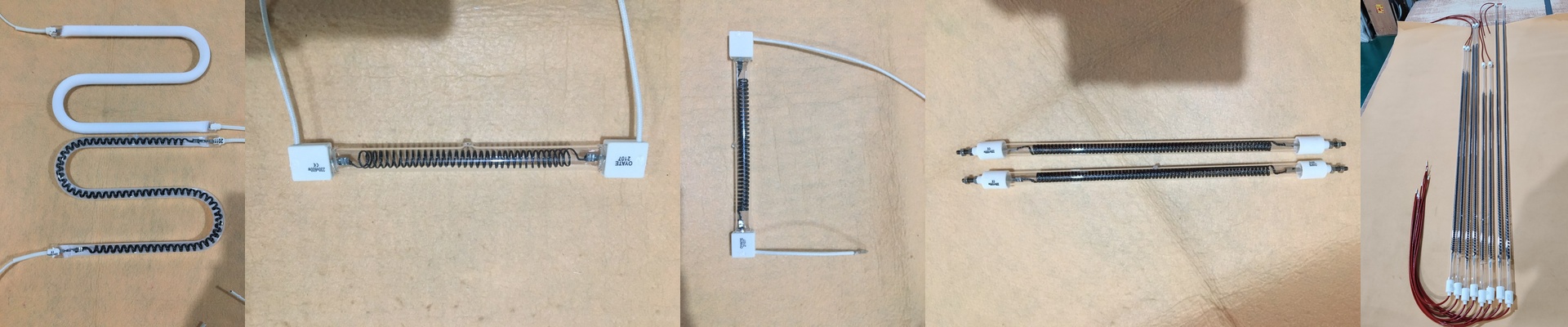
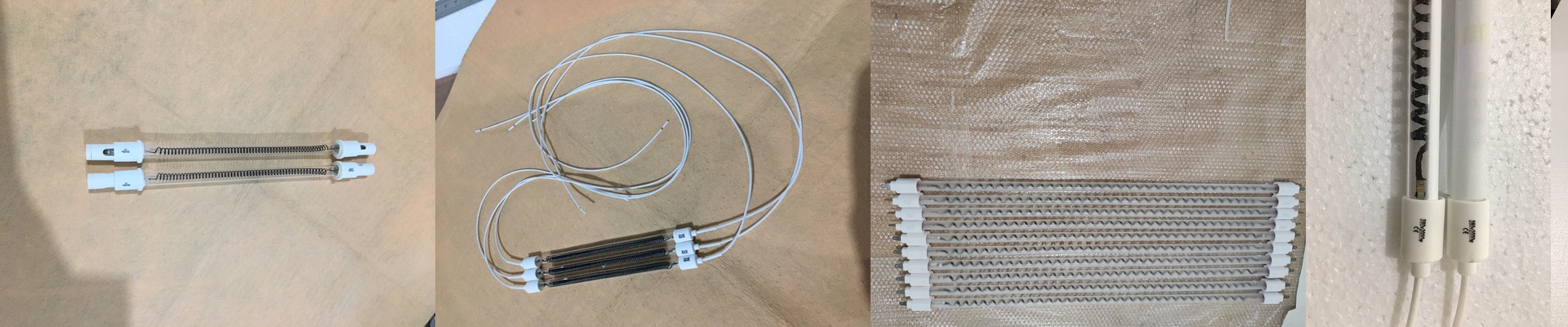
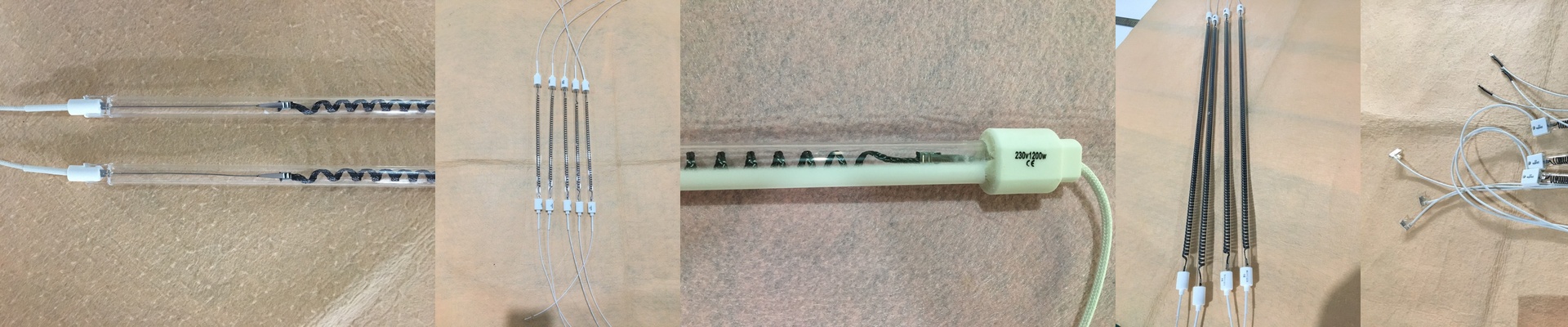
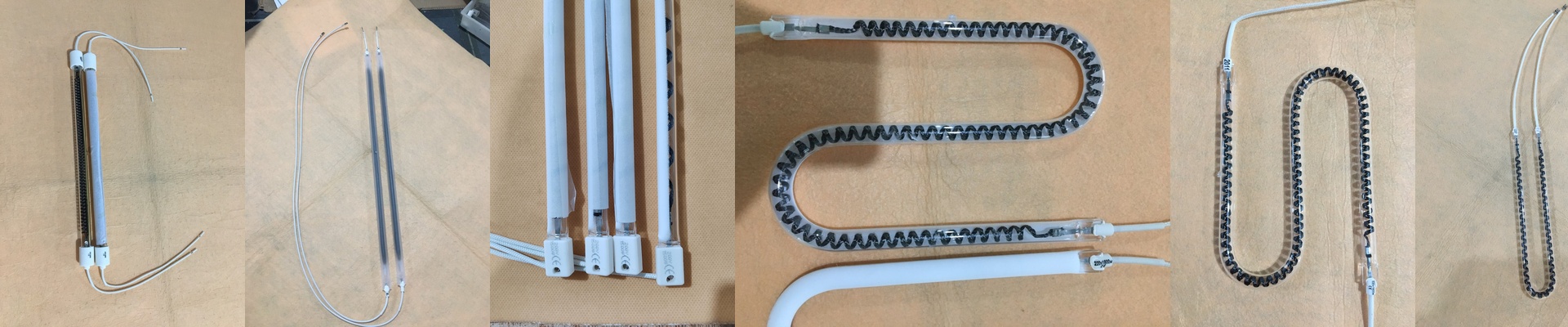
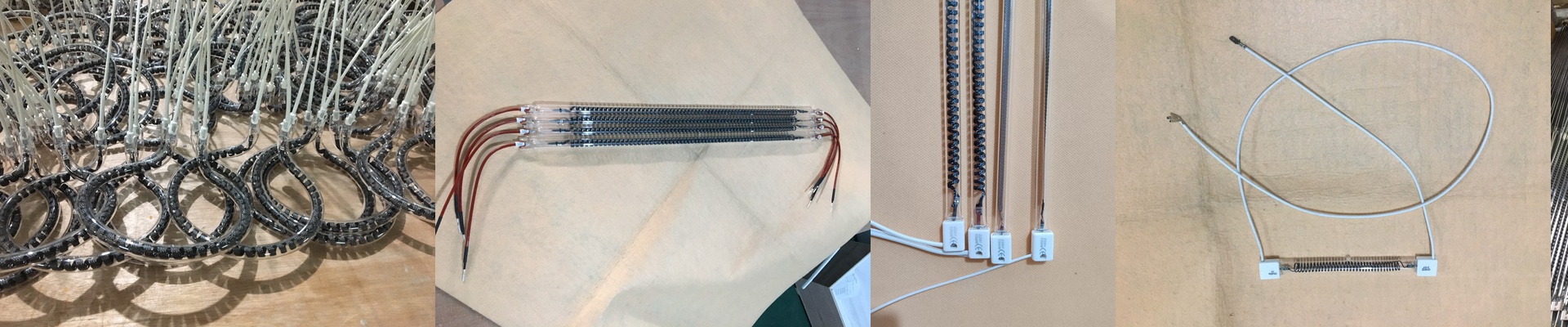
Here’s the thing: convection ovens are slow. If you need to hit 150°C in a few seconds to see how a board handles thermal shock, you can’t wait for the air to warm up. That’s why we use shortwave infrared lamps. They dump energy directly into the board. It’s fast. Really fast. And that’s exactly what you need to put real stress on solder joints and semiconductor packages.
Keeping it Under Control
A fancy heater is useless if you just fry your components. To stop that from happening, we stick K-type thermocouples right on the board. These talk to a PID controller that keeps things steady. It stops the temperature from “overshooting” and ruining your sample. Plus, you can program the whole thing to follow a specific drive cycle—ramping up, soaking, and cooling down—just like the car would experience on the road.
The Messy Side of Engineering
High-wattage lamps put out a massive amount of heat. That’s great for the PCB, but it’s a nightmare for the machine holding the lamps. If your ventilation is an afterthought, all that heat creeps back into your control electronics. Once that happens, your sensors start drifting and your data goes sideways. We’ve found that a dedicated forced-air cooling system for the housing is the only way to keep the electronics stable.
Finding the Breaking Point
We use these stations to figure out exactly when an ECU will fail. By cranking up the heat while the board is actually powered on, you can spot hidden flaws in the PCB layers or the potting compounds that you’d never see otherwise. It’s a shortcut. Instead of leaving a part in a climatic chamber for 1,000 hours and hoping for the best, you can find the failure point in a fraction of the time.