Keeping Your Infrared Lamps from Burning Out
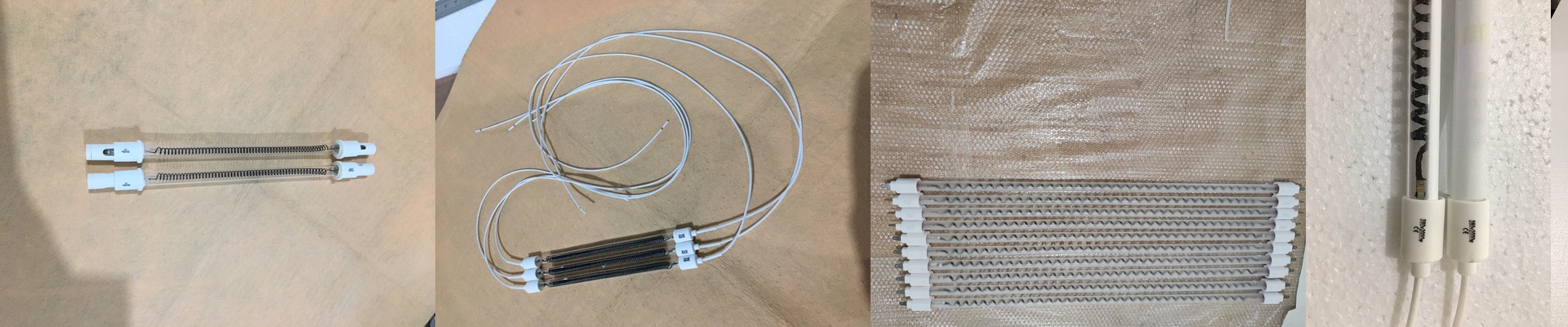
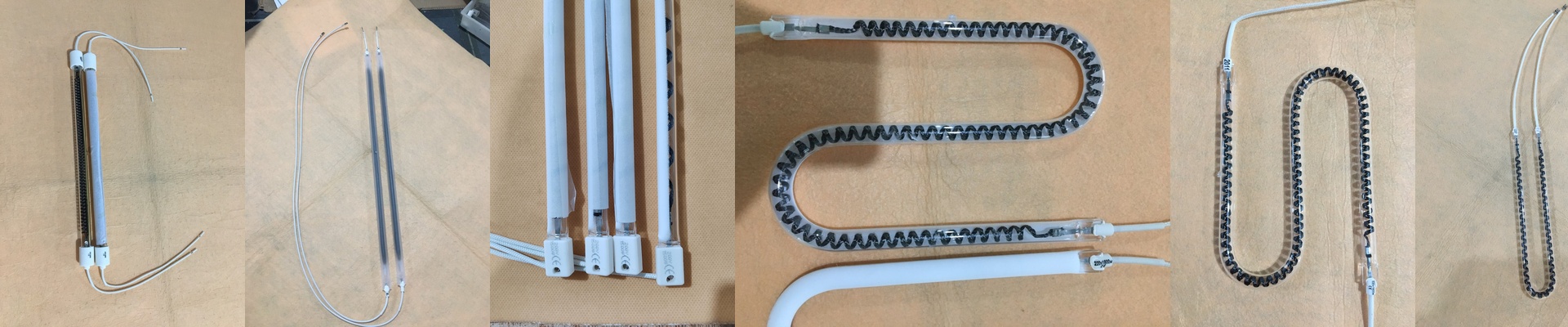
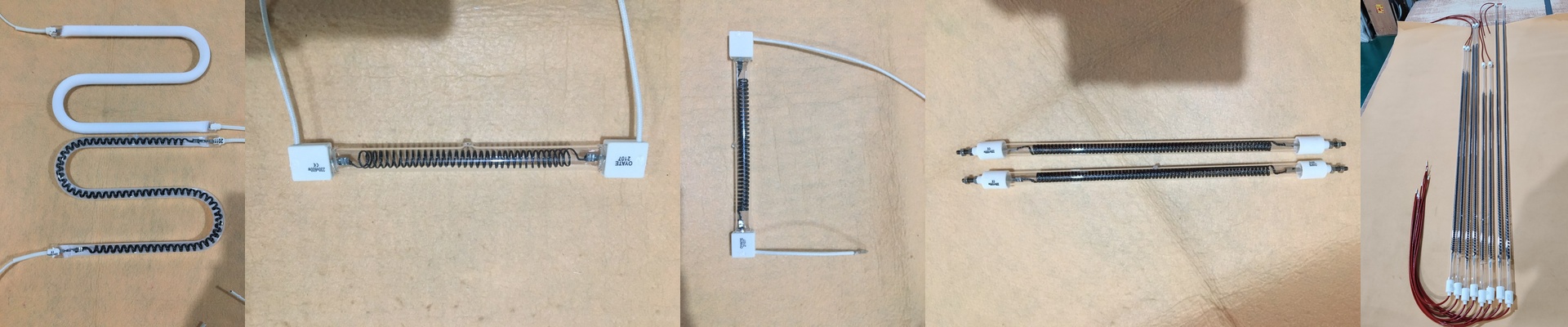
If you’ve ever tried to repair a smartwatch, you know the struggle. You need enough heat to melt the glue, but if you overdo it for even a second, you’ve just fried a motherboard. That’s why we use shortwave infrared lamps—they’re great for surgical heat. But here’s the catch: the heat isn’t the hard part. It’s the pulsing. When you flick a lamp on and off thousands of times, the tungsten filament and the quartz glass are basically breathing—expanding and contracting at a violent pace. If you aren’t careful, the lamp just gives up.
Stop the Sag
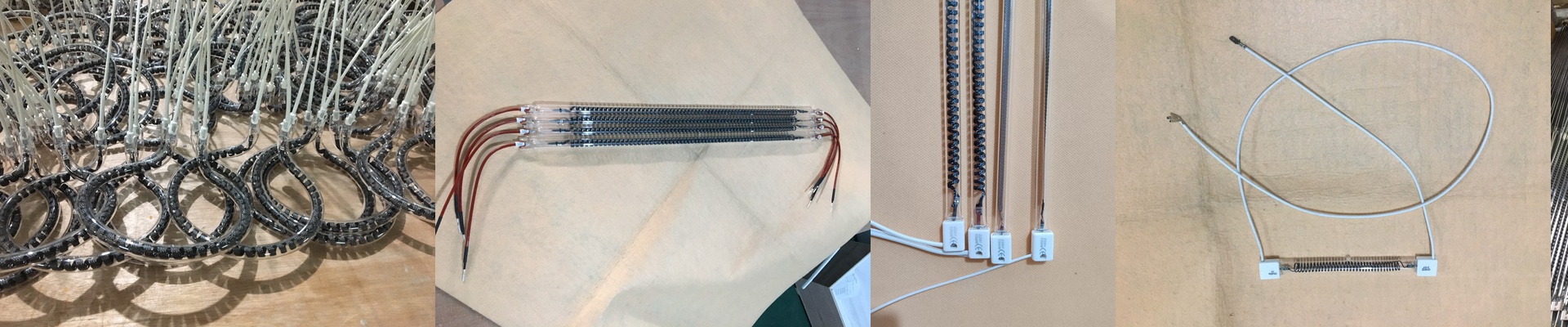
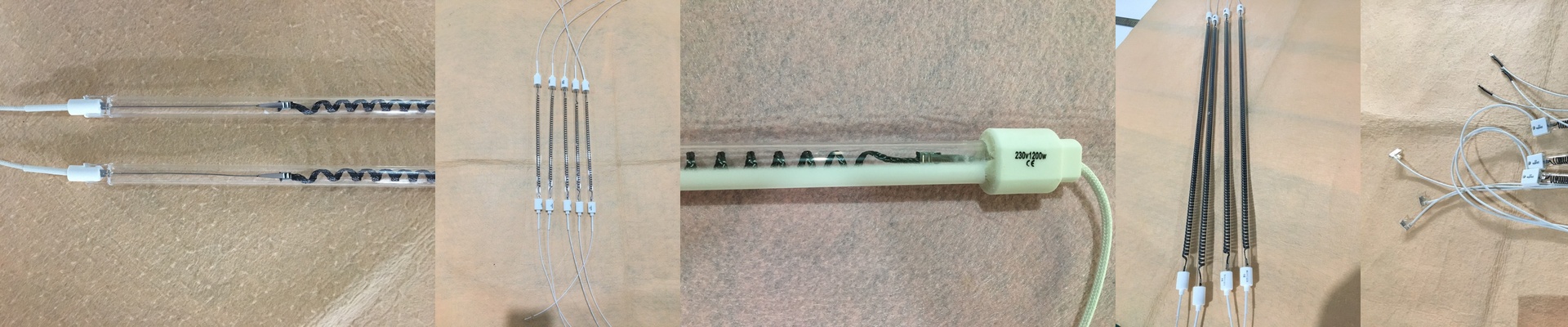
Cheap lamps usually warp after a few thousand cycles. It’s frustrating. To stop that from happening, we spent a lot of time on the filament supports. We use high-purity quartz that expands at the same rate as the tungsten wire. Why? Because when that lamp hits peak temperature in a fraction of a second, we need the filament to stay exactly where it is. If it sags or shifts, you get weird hot spots, or worse, the whole thing just pops. We’ve put our brackets through tens of thousands of rapid-fire pulses just to make sure they stay locked in place.
Handling the Shock
Then there’s the glass. “Flash heating” is brutal on the quartz envelope. We went with a heavy-wall quartz because it can take the pressure. It stops the tube from bowing when the thermal shock hits. This keeps your focal point steady. When you’re working on a tiny screen, a steady beam is the only thing standing between a successful repair and a cracked display.
The Power Struggle
Now, more power means faster repairs. That sounds great, but it puts a ton of stress on the lamp’s endpoints. Even with the best supports, that much heat flux is intense. You’ve got to make sure your housing actually breathes. If heat builds up around the connectors, the contacts will oxidize. Once that happens, your voltage drops and your lamp life plummets. One last tip: use high-temp leads. Trust me, you don’t want to find out the hard way that your insulation has melted.