Getting the Heat Just Right for Smart Watch Repair
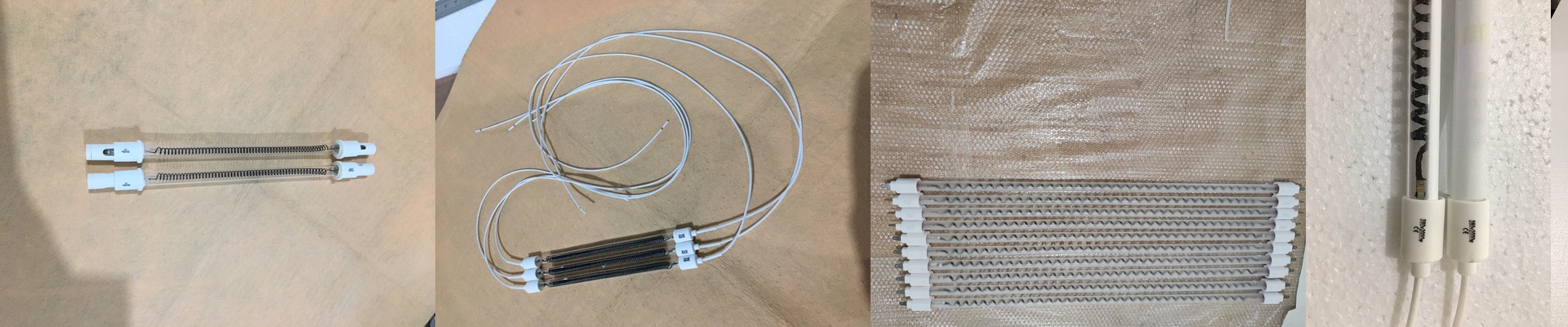
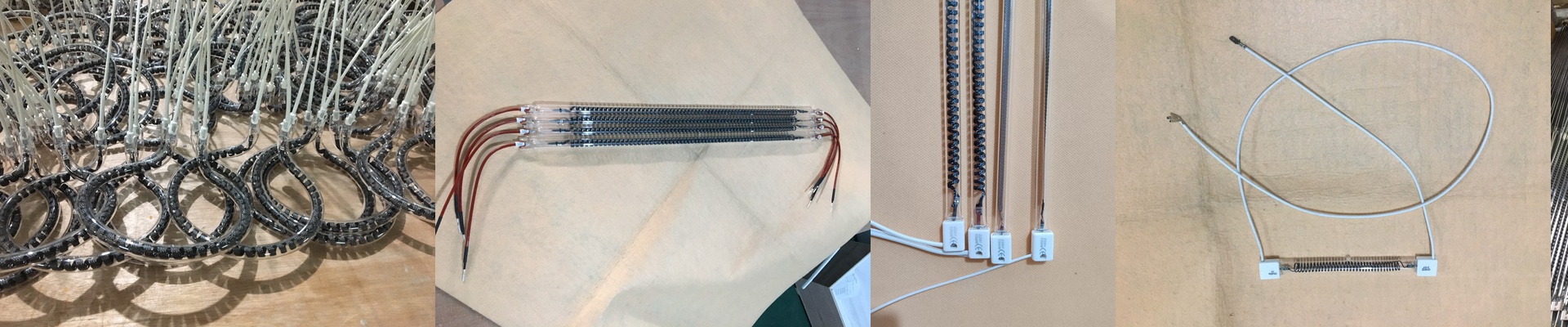
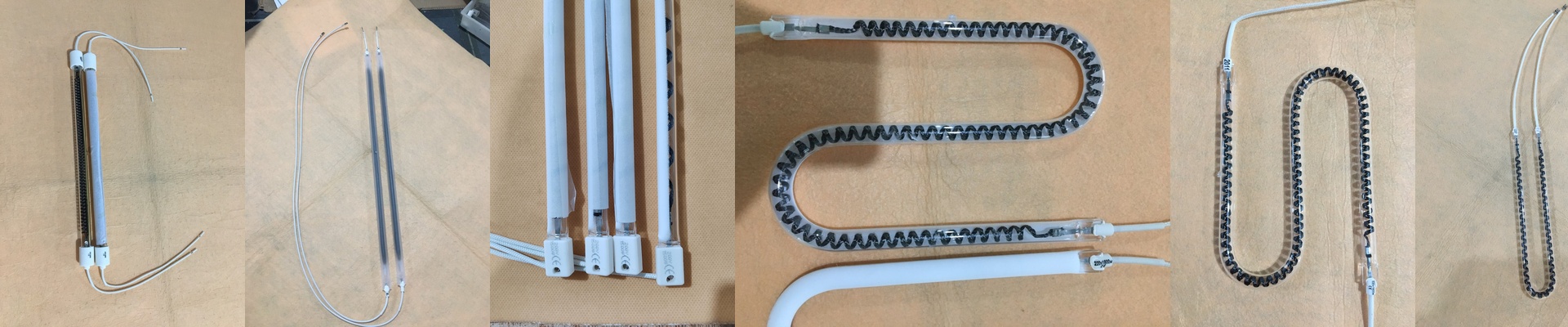
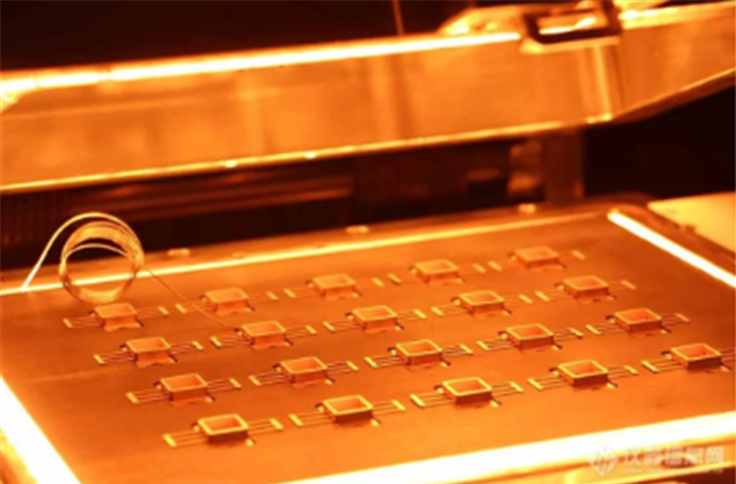
We don’t just make heating lamps. We obsess over the light. If you’ve ever repaired a smart watch, you know it’s a nightmare of tight spaces and parts that hate heat. Use the wrong wavelength, and you’re staring at a fried OLED screen. Use too little, and that industrial adhesive just won’t budge. We spent a lot of time in the lab making sure our lamp’s energy hits the glue exactly where it needs to, without ruining everything else.
Why the physics actually matter
We use a specific quartz envelope to dial in the infrared (IR) output. For watches, we go with short-wave IR. Here’s why that’s a big deal: it lets the heat punch right through the glass or metal casing to hit the adhesive directly. You aren’t just baking the whole watch chassis like a potato; you’re targeting the glue. We also tweaked the filament so the energy stays concentrated. It means you hit that “sweet spot” temperature where the glue softens—and you hit it fast.
The trade-offs (Keep it real)
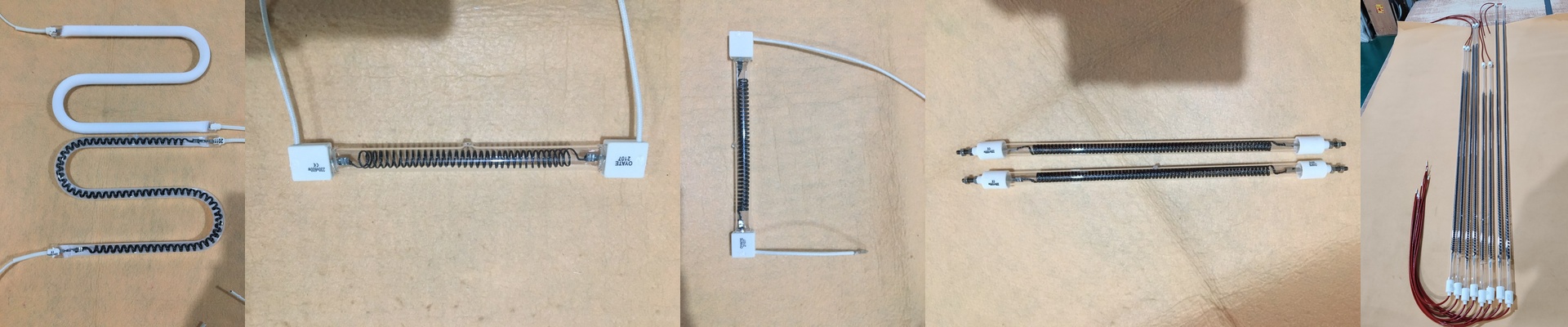
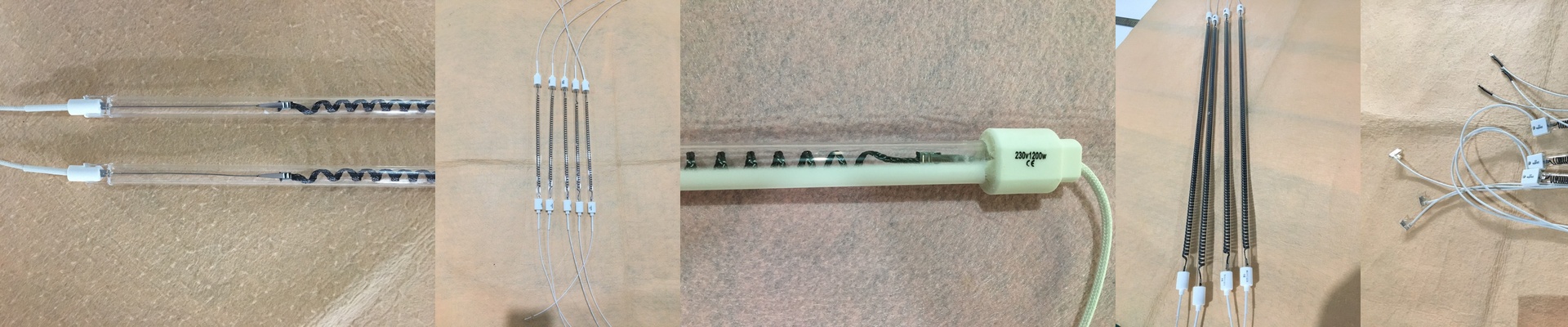
These are designed to be drop-in replacements for your usual repair stations. They’re small, they fit in handheld tools, and we used stable connectors so you don’t get any annoying arcing when you’re cycling the power. But there is a catch. To get this kind of precision, we had to use a thinner filament.**Do not over-volt the lamp.**I know it’s tempting to crank the voltage to speed things up, but if you do, you’ll burn the filament out in a few hundred hours. Just stick to the rated voltage, and it’ll last.
Living on the bench
When you’re wiring this up, make sure your power supply is steady. A sudden voltage spike is the fastest way to kill this lamp. Once it’s running, you’ll notice the heat zone is really narrow. That’s the goal. It keeps the heat away from the battery, which means you don’t have to worry about thermal runaway while you’re prying the screen off. It’s a tool for the tech who needs to hit 80°C in a few seconds without melting the plastic bezel. Simple as that.