Picking the Right IR Waveband for SMT Heating
Here is a mistake I see all the time: shops picking an IR lamp based on wattage. It seems logical, right? More power equals more heat. But that’s not actually how it works. The real secret is the wavelength. It all comes down to how your materials actually “soak up” the energy.
Short-wave vs. Medium-wave
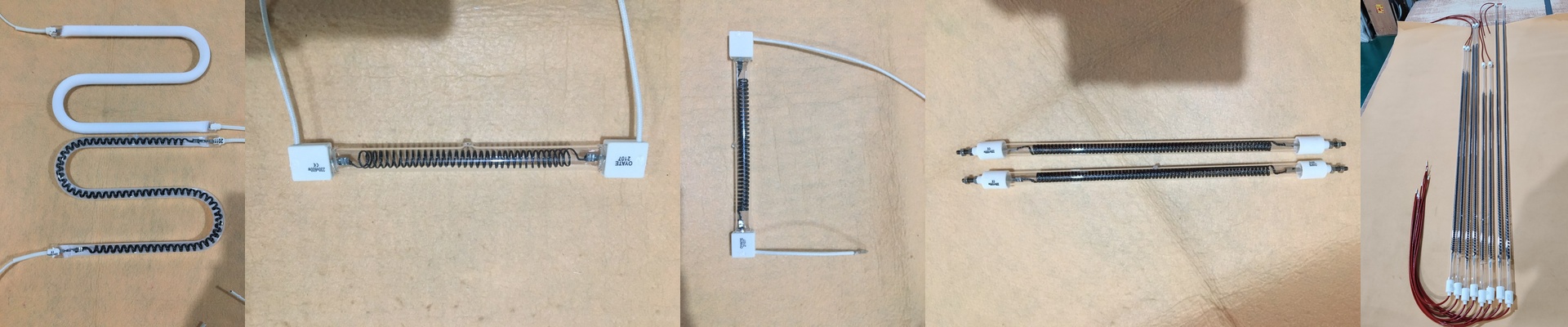
Think of short-wave IR as the sprinter. It hits the board fast and hard. Because it operates at higher temperatures, the energy digs deeper into the solder paste and the components themselves. If you’re worried about flux burnout and need to get your temperatures up now, this is your best bet. Medium-wave is more like a slow simmer. It’s steady. It’s controlled. You won’t accidentally overshoot your peak temperature, which is great for stability, but you’ll be waiting longer for the board to actually get hot. You’re basically trading speed for a bit more peace of mind.
Why Quartz Matters
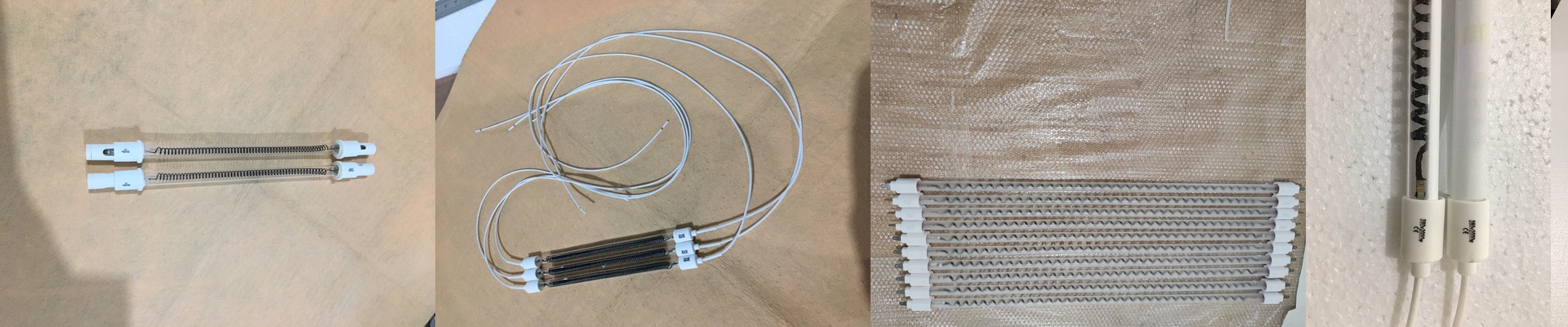
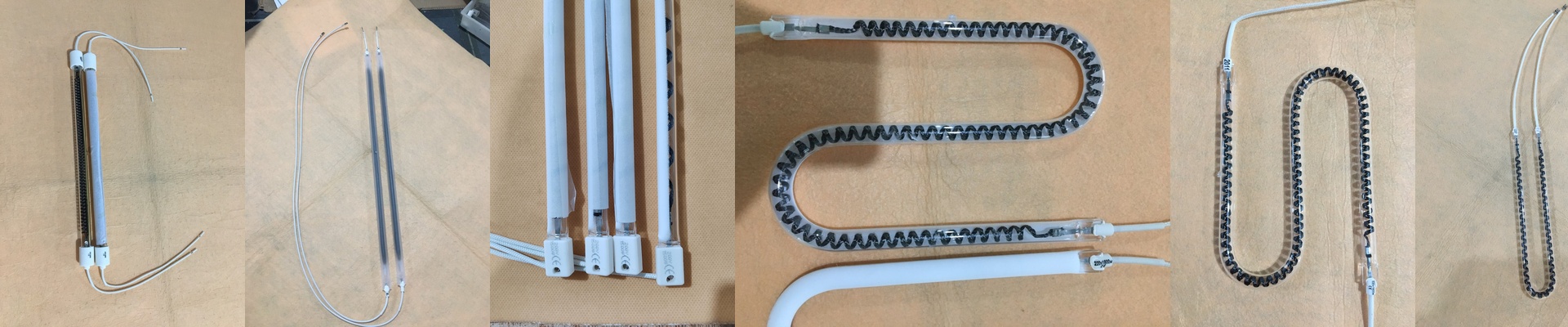
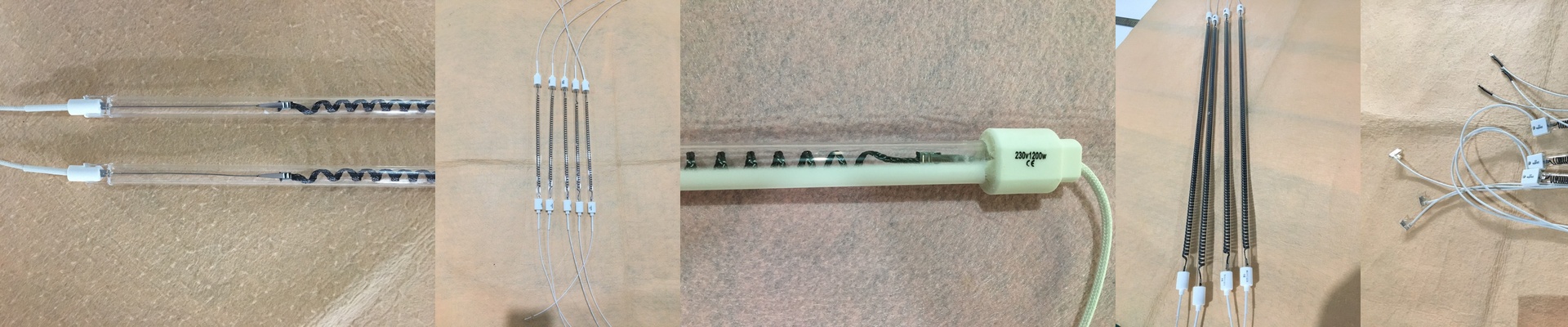
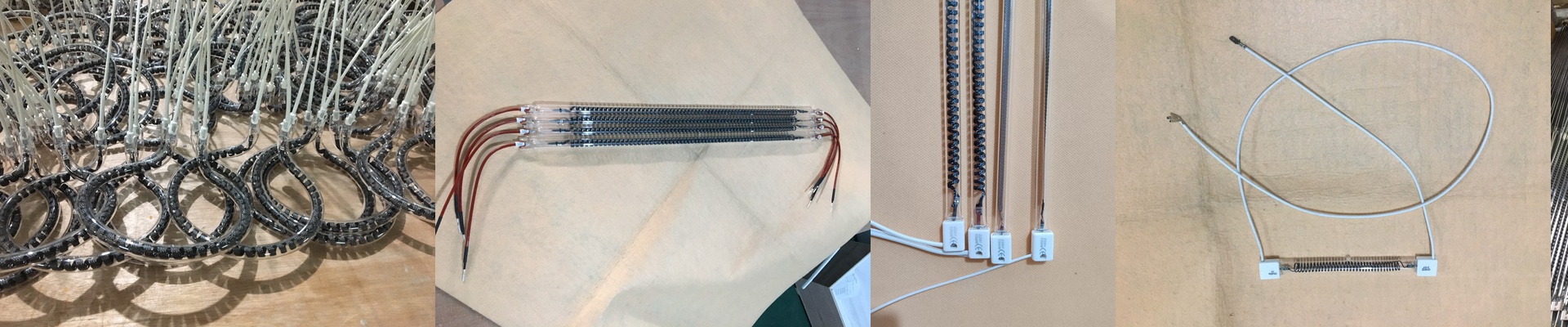
You can’t just use any glass here. We use high-purity quartz because the thermal shock is brutal. Regular glass would just shatter the second you flipped the switch on a high-wattage element. Quartz lets the filament run scorching hot, which is the only way to get that short-wave emission we talked about. And if you look at the tubes, you’ll often see gold or aluminum coatings. Those aren’t for looks. They act like mirrors, bouncing the heat forward onto the PCB so you aren’t just heating up the inside of your machine for no reason.
The Trade-off
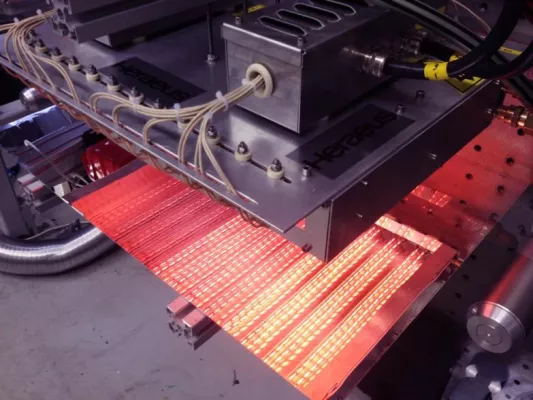
More energy density means your cycles move faster. Sounds perfect, right? Well, there’s a catch. Short-wave lamps run incredibly hot. If you cram in a high-density array but forget a decent cooling system for the housing, you’re going to fry your connectors. It’s a balancing act. You want the throughput, but you don’t want to kill your equipment. Do yourself a favor: use high-temp leads. Otherwise, you’ll be spending your weekends replacing cables every single month.