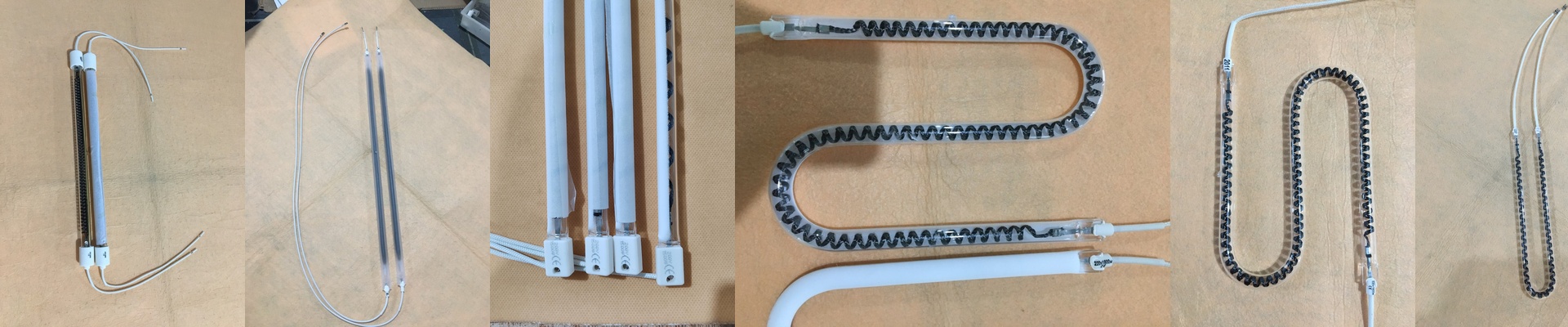
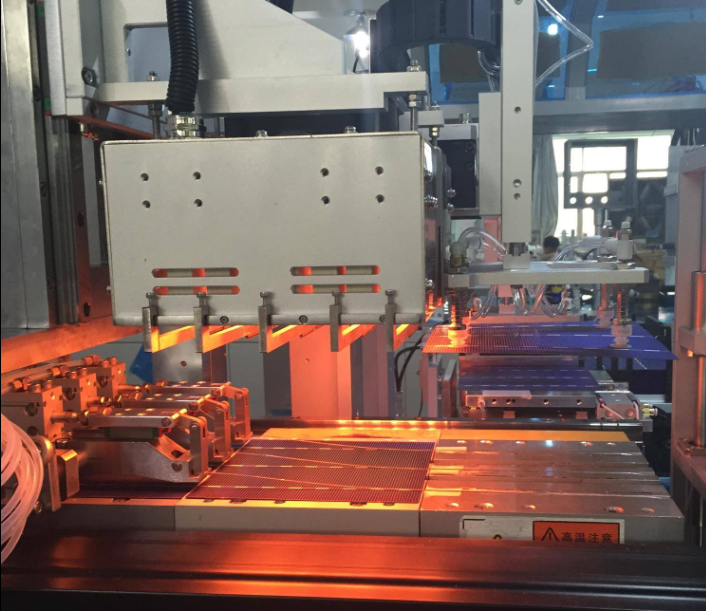
Why we’re obsessed with 99.99% pure quartz for smart meter PCBs
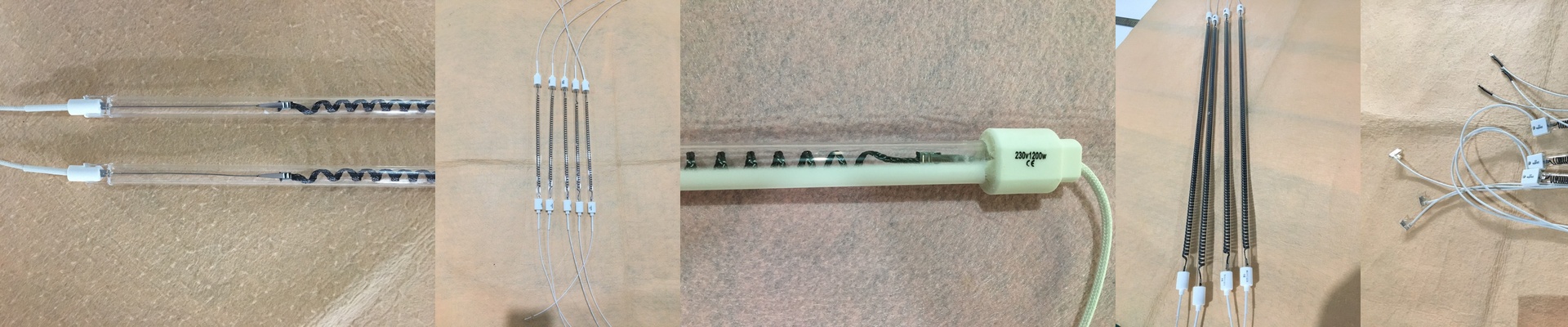
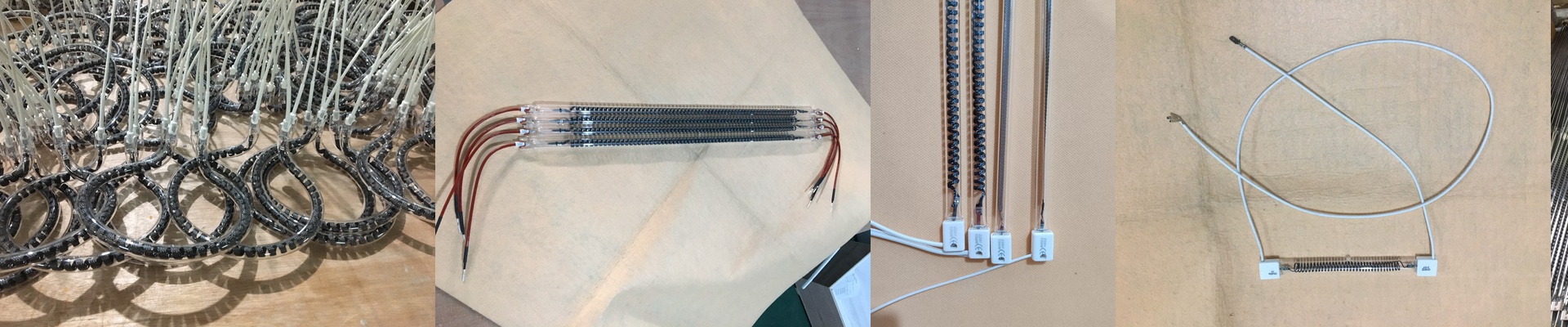
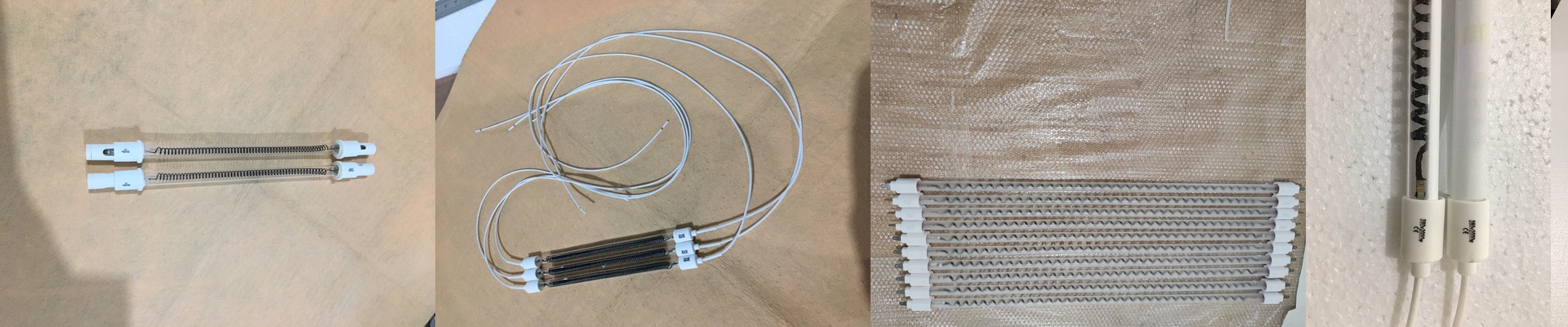
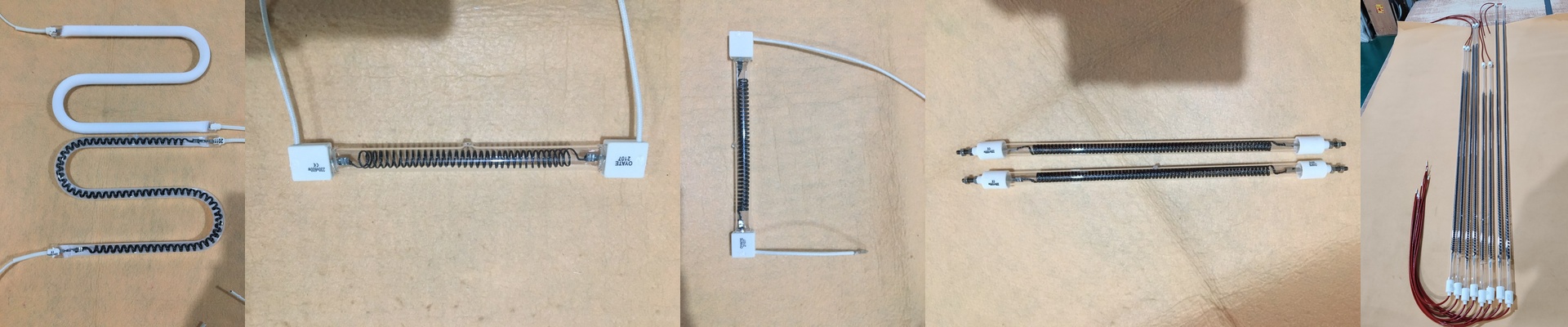
When you’re building infrared heating lamps for smart meter assembly, it’s easy to think of the glass as just a protective shell for the filament. But it’s actually the most important part of the equation. It’s the gatekeeper. If you use standard quartz, you’re fighting a losing battle with energy loss and patchy heating. That’s why we stick to 99.99% high-purity synthetic quartz. We want the heat to actually hit the board, not get stuck in the glass. The science of getting heat where it belongs Here’s the thing about low-purity quartz: it’s full of metallic impurities and hydroxyl groups. You can’t see them, but they act like a sponge for infrared radiation. Instead of letting the heat pass through, the glass absorbs it. The result? The tube gets dangerously hot, but your PCB is left shivering. When you jump up to 99.99% purity, everything changes. The heat doesn’t get scattered or trapped. It’s a straight shot from the tungsten filament right into the solder paste. It’s cleaner, faster, and just works better. Stopping the cracks Production lines for smart meters move fast. You’re flipping the power from zero to full blast over and over again. That kind of thermal shock is brutal. Cheap glass can’t handle that stress. It expands and contracts too violently, which leads to cracks or total shatter. High-purity quartz is different. It handles those rapid swings without breaking a sweat, so your lamps actually last. The catch (and how to handle it) Now, there is a trade-off. Because the glass stays cooler and lets more heat through, the pressure and temperature inside the tube shift. This puts a bit more stress on your filament. If you try to “fix” a bad layout by over-driving these lamps with too much power, you’ll burn out the filament way too soon. You have to get your power supply specs exactly right. We focus on material purity because it takes the guesswork out of your thermal profiling. No more wondering why one corner of the board isn’t heating up. You just get consistent, reliable heat across the entire footprint.