Hot Air vs. IR: Which one actually works for BGA Rework?
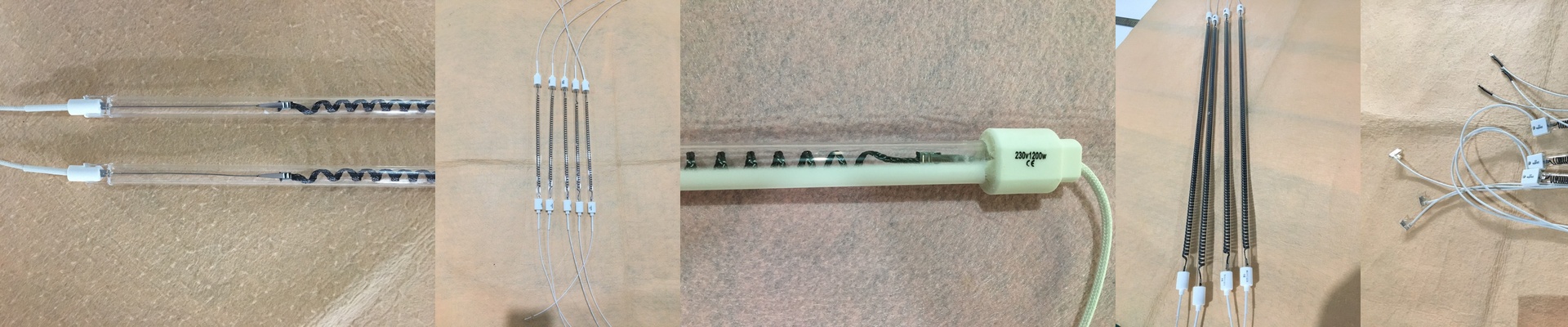
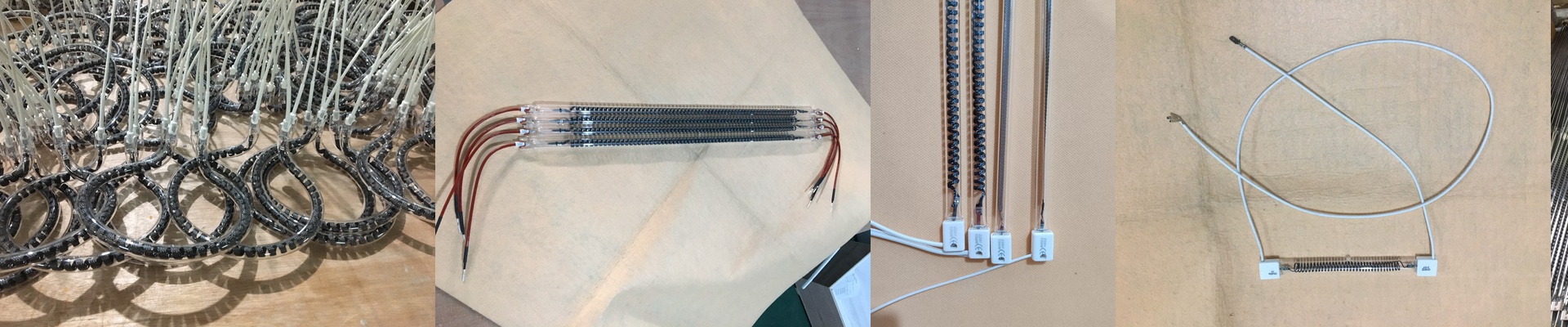
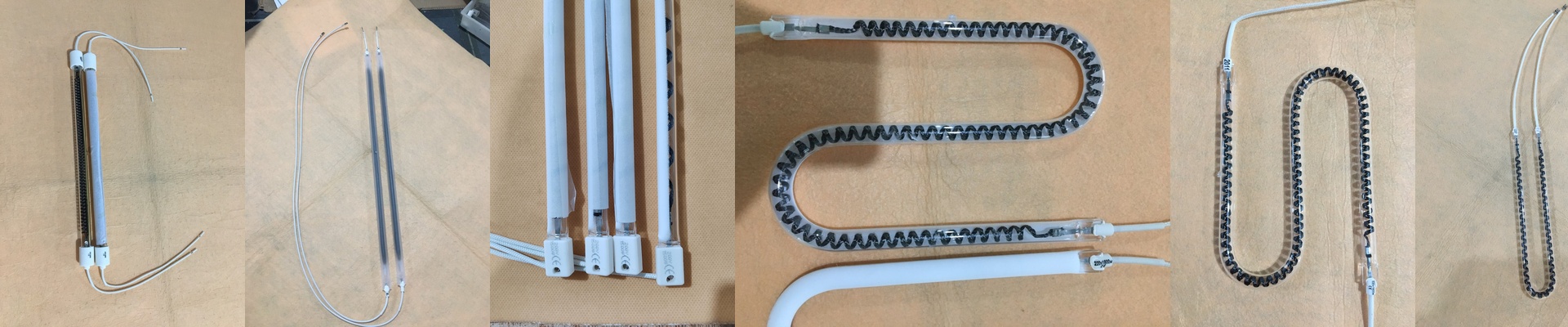
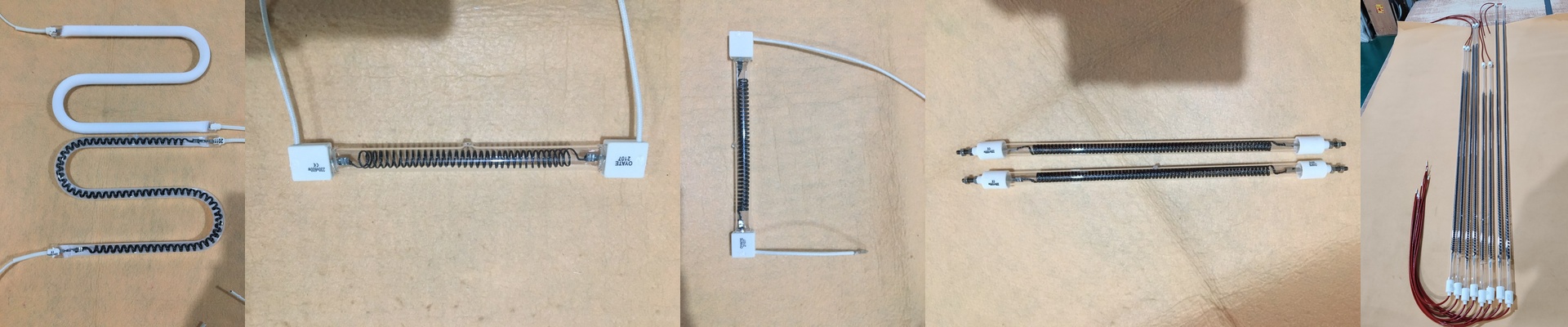
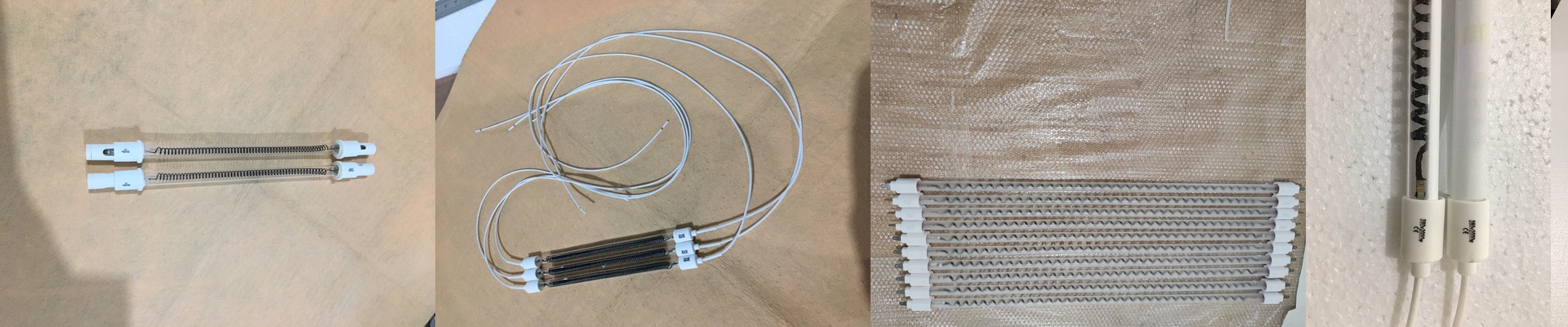
If you’ve ever used a hot air gun to pull a BGA chip, you know the struggle. You’re basically blasting heated air at the component and hoping for the best. But there’s a catch: the “shadow effect.” Air likes to take the path of least resistance, so it flows around the chip. This leaves the center of the BGA colder than the edges. When your heat is uneven, you get messy solder melts, bridged joints, or—worst case—popped kernels. It’s frustrating. Then there’s Infrared. IR lamps don’t bother with the air. They use electromagnetic waves that go straight through the PCB and shake up the molecules inside the components. Instead of heating the air, then the chip, then the solder, the IR energy hits everything at once. The solder balls and the silicon substrate soak up the heat simultaneously. The result? The heat is way more uniform across the whole footprint. The solder alloy hits its melting point faster and more consistently because it’s not fighting a breeze. The trade-offs you need to know We tune these lamps to specific wavelengths—usually short or medium wave. We do this so the energy actually gets into the board instead of just scorching the surface solder mask. It’s fast. Really fast. Plus, you don’t have the physical stress of a high-pressure air blast pushing those tiny SMD components around. No more accidentally blowing a resistor across the room. But here’s the thing: IR is line-of-sight. If you’ve got tall capacitors or bulky heat sinks blocking the lamp, you’re going to get cold spots. You have to be smart about where you place the lamp to avoid those thermal shadows. Real talk from the shop floor Switching to IR just makes life easier. You align the lamp, set your profile, and let the radiation do the heavy lifting. Just a heads-up: keep a close eye on your PCB substrate. If you crank the power too high, you can actually delaminate the board before the solder even thinks about melting. Keep it balanced, and you’re golden.