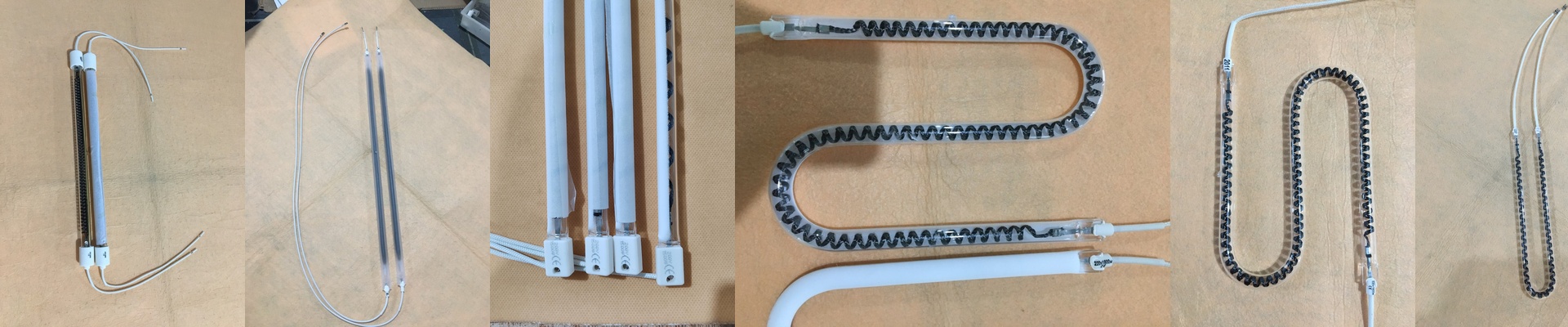
Let’s Talk About Quartz Carbon Infrared Lamps
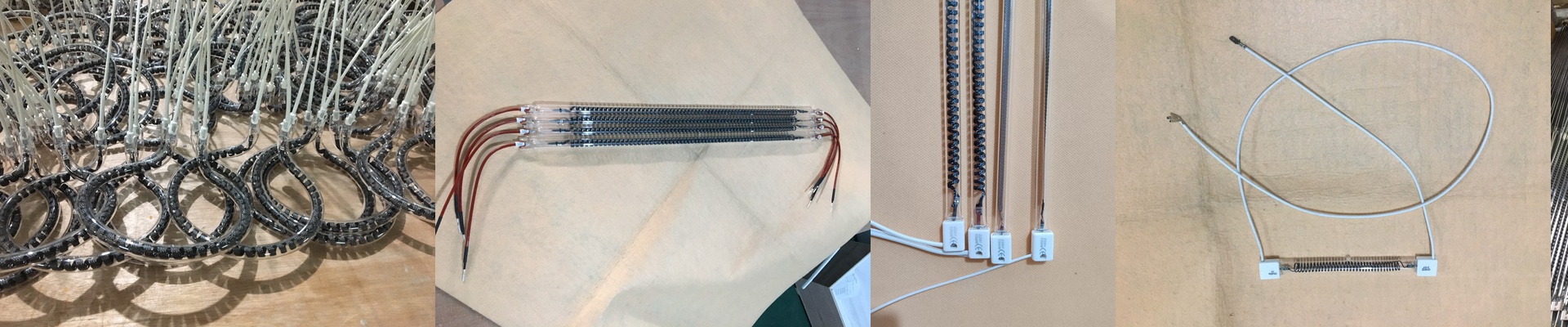
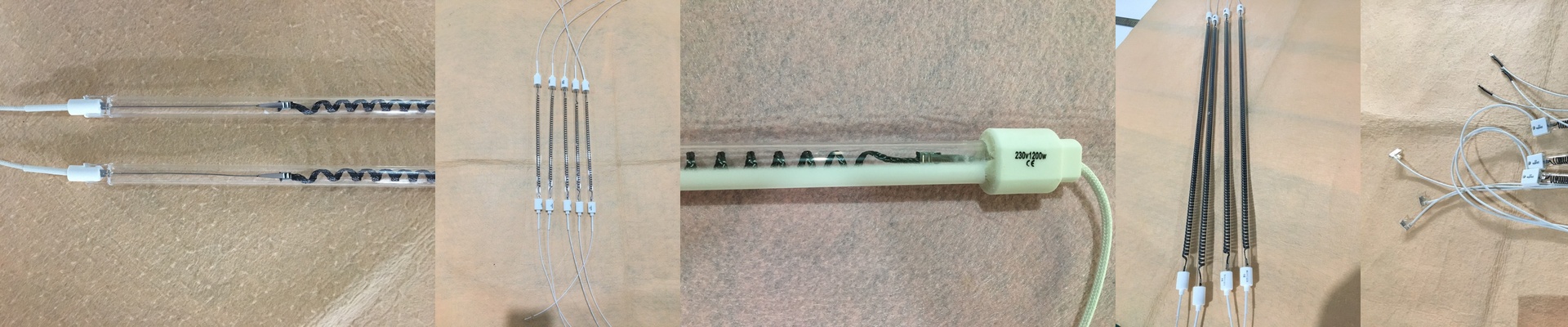
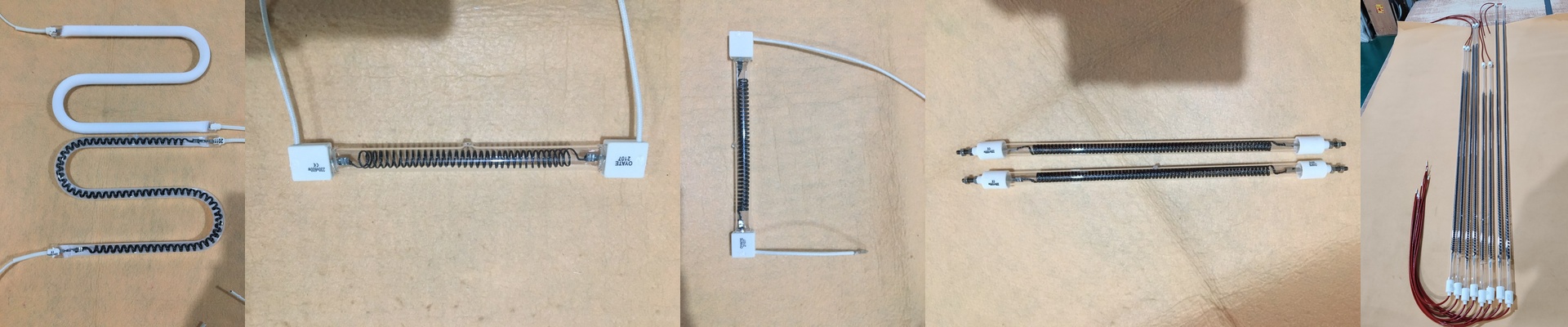
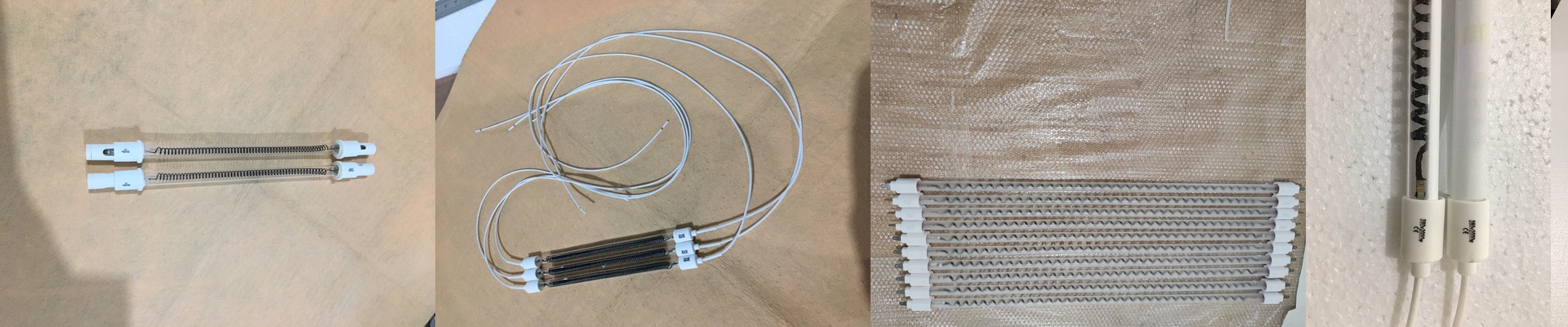
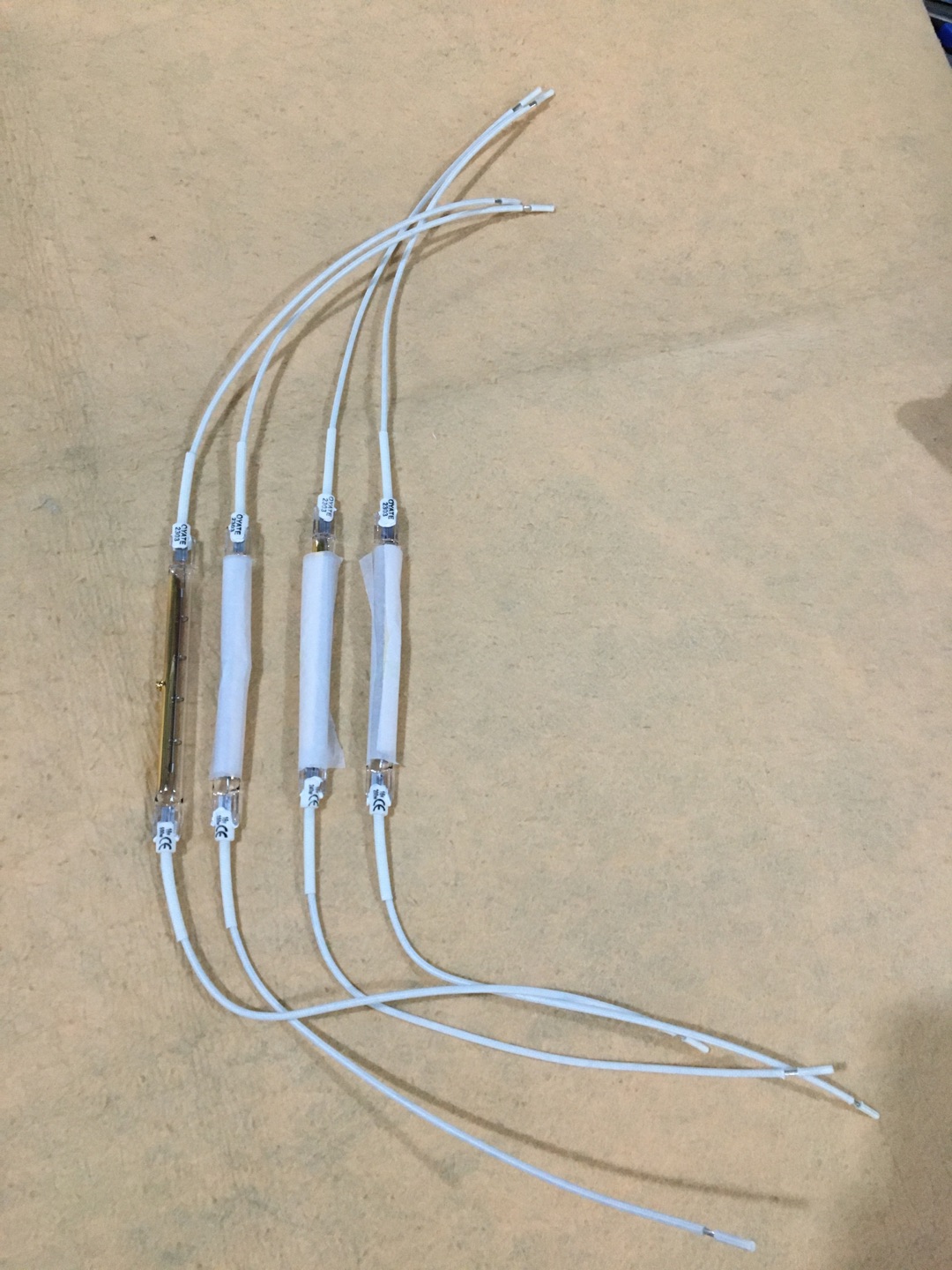
Think of these lamps as a smarter way to get heat where it actually needs to go. Instead of those old-school metal coils, we use a carbon fiber heating element tucked inside a high-purity quartz tube. The real magic here is that they don’t need to get scorching hot to work. They put out medium-to-long wave infrared radiation, which means the heat sinks deep into your material. You get a thorough soak without accidentally burning the surface. Getting the power right We build these to fit your specific setup, but you’ve got to be careful with the specs. If you go for a high-wattage tube, you’re getting a ton of heat density. That’s great, but make sure your wiring can actually handle it. If your power supply is weak, you’ll hit voltage drops. And if you’re running a 400V system? It’ll heat up fast. Really fast. Just keep an eye on your cooling system so the housing doesn’t get too toasted. If the voltage is off, you’re either staring at a cold lamp or watching a filament burn out way too soon. The build and the fit The quartz tube isn’t just for show—it keeps the carbon filament from oxidizing. Depending on what you’re doing, we can add special coatings to the glass to bounce the heat back or change how the energy is emitted. As for the connections, we stick with R7s or Sk15. Why? Because they just work. They slide right into most industrial heaters and stay snug. No loose fits, no annoying arcing at the terminals when you’re cycling the power on and off all day. What this looks like in the real world You’ll see these all over the place—PET blowing, curing paint, welding plastics. They tend to beat out halogen lamps for this kind of work. Halogen hits too hard and too fast on the surface, but carbon is more balanced. It’s gentler on the material. One heads-up, though: quartz is glass. It’s fragile. If your shop floor is a bit chaotic or has a lot of vibration, don’t just leave the tubes exposed. Throw some protective guards over them so a stray bump doesn’t turn your heater into a pile of shards.