Stop Guessing With Your Heat Lamps
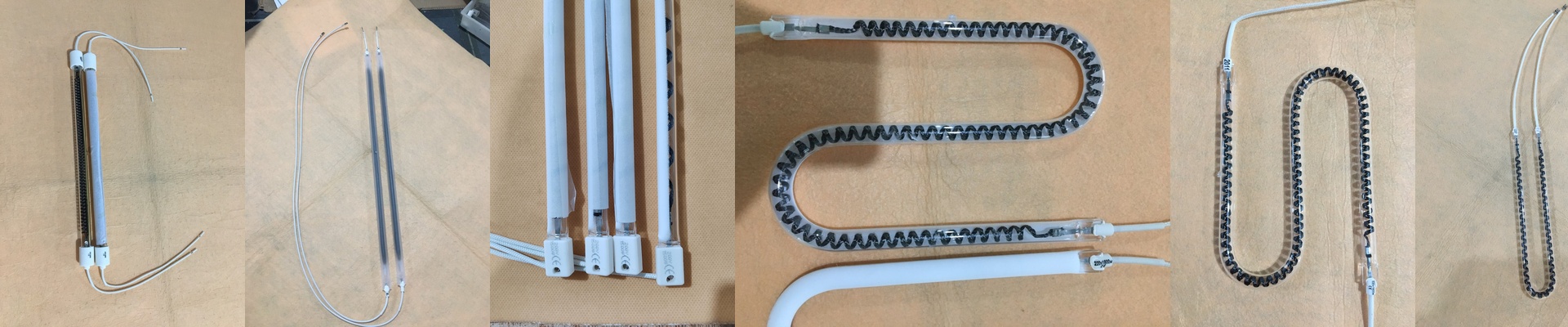
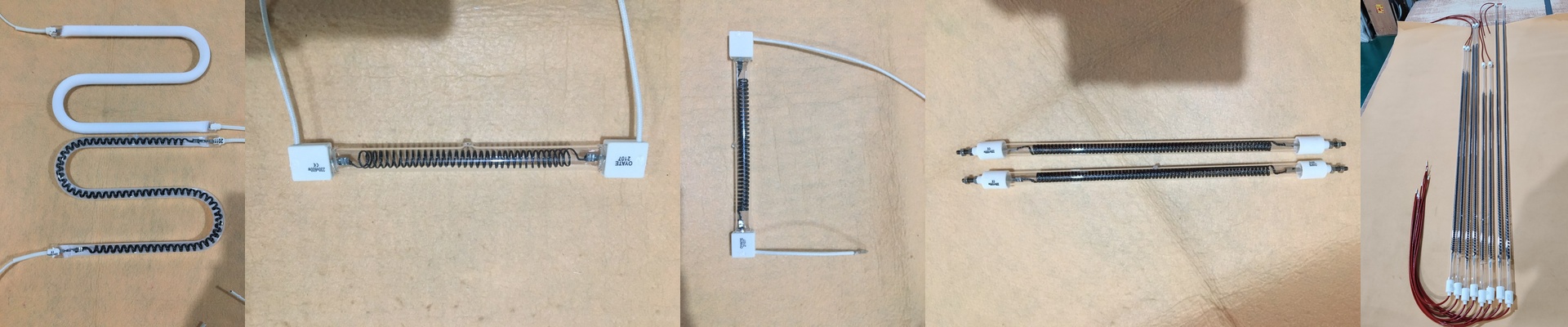
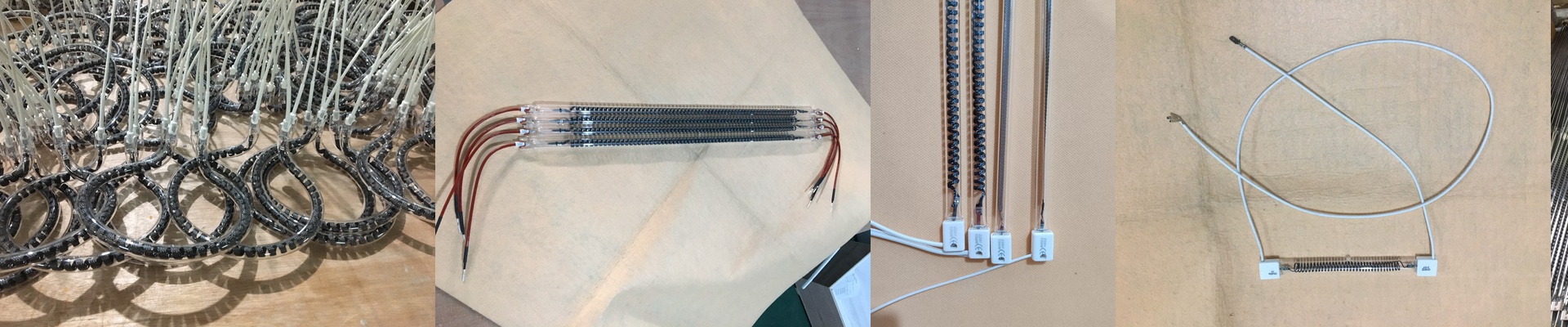
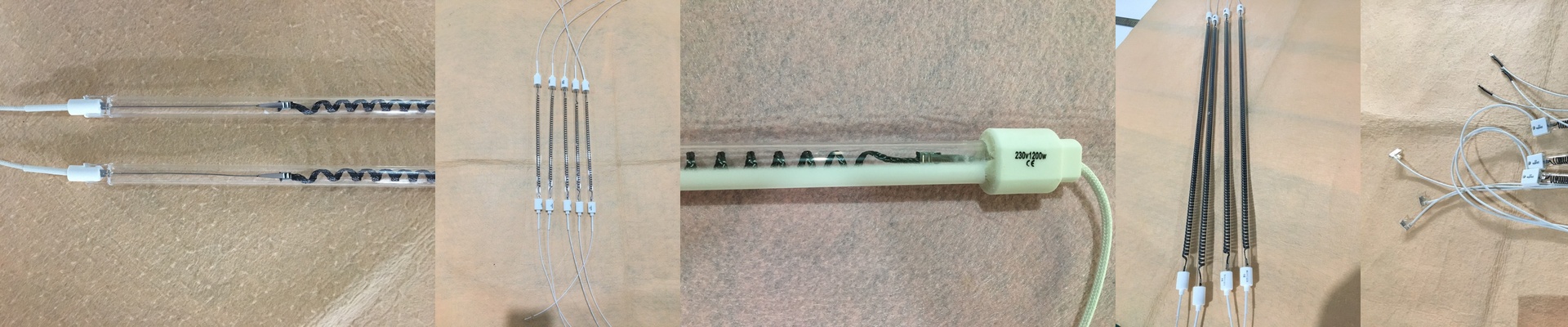
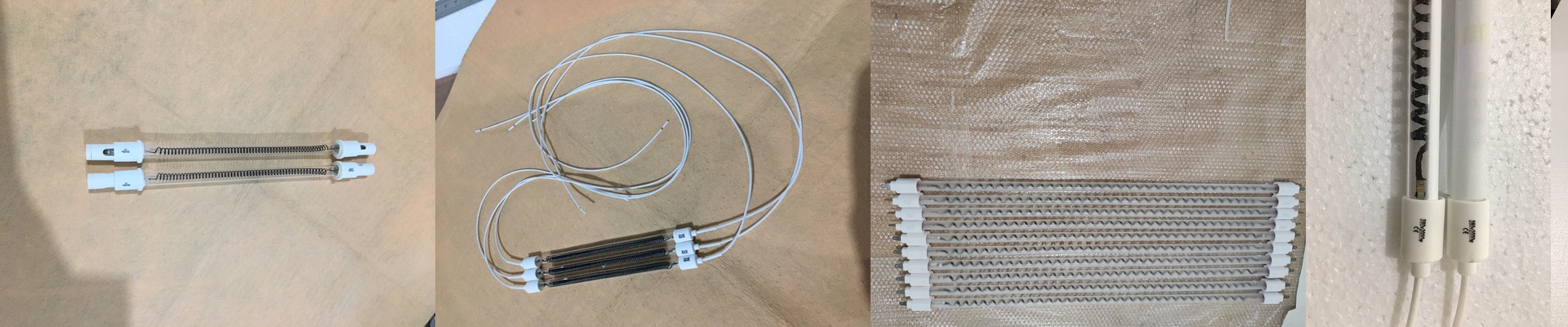
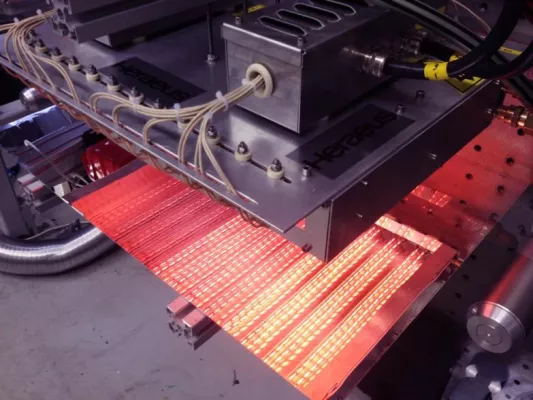
Most smart lock repair benches are still using basic heating lamps to melt adhesives or set resins. They work, sure. But they’re “dumb.” You just turn them on and hope for the best until the bulb suddenly pops. We’re changing that. We’re moving toward heating systems that actually tell you how they’re doing. How it actually works Think about a standard lamp. Inside, that tungsten filament slowly wears down and thins out over time. As that happens, the electrical resistance shifts. We’ve added sensors that keep an eye on that resistance in real-time. If the numbers drift even 5% off track, the system pings you. It’s a heads-up that your lamp is about to die before it actually happens. No more mid-repair failures that could ruin a customer’s lock. Getting the temperature just right Smart locks are finicky. Too much heat and you’ve just warped a plastic housing, which is a nightmare to fix. To stop that, we use PID controllers. Instead of just blasting the lock with heat, the system modulates the voltage to keep the temperature in a very tight window. It’s just enough heat to get the adhesive moving, but not enough to melt the case. The catch Now, this isn’t as simple as plugging a bulb into a wall socket. Adding these diagnostics means the power supply is a bit bulkier. You need a dedicated control board to handle all that feedback. It makes the initial setup a little more complex and costs a bit more upfront. Why it’s worth it The real win here is peace of mind. You stop guessing if the lamp is actually hitting the right temp. Instead of replacing bulbs every few months just because the calendar says so, you replace them based on how they’re actually performing. It keeps the line moving. No surprises, no ruined parts, and way less stress.