Let’s Talk About the 900W R7s Carbon Fiber Heater
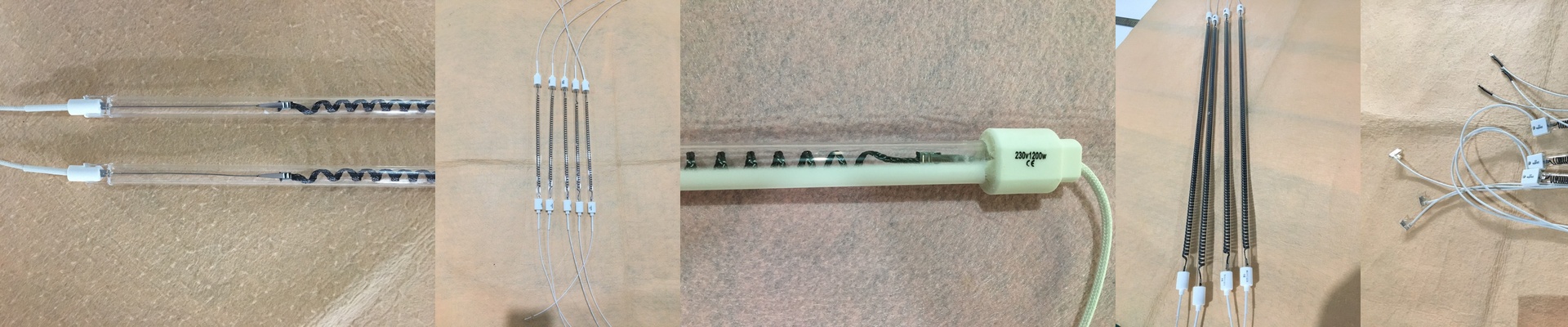
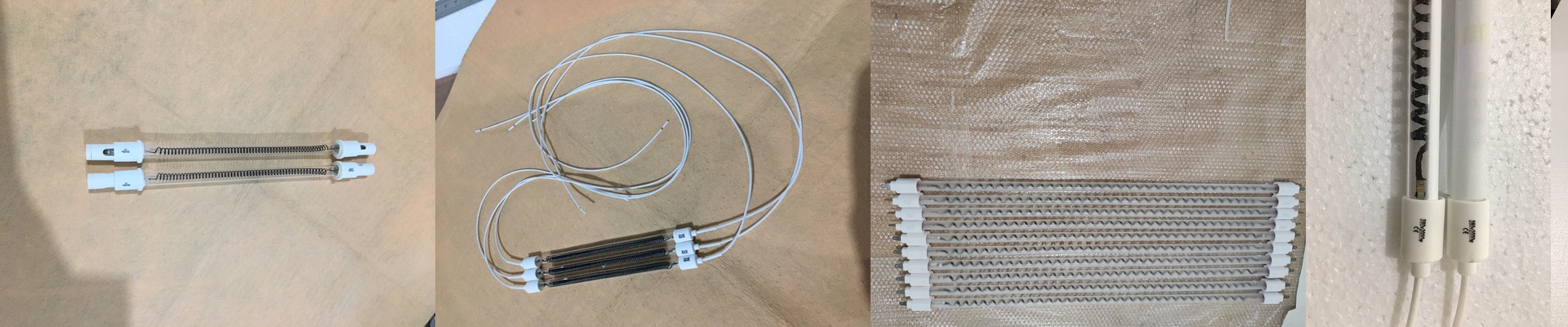
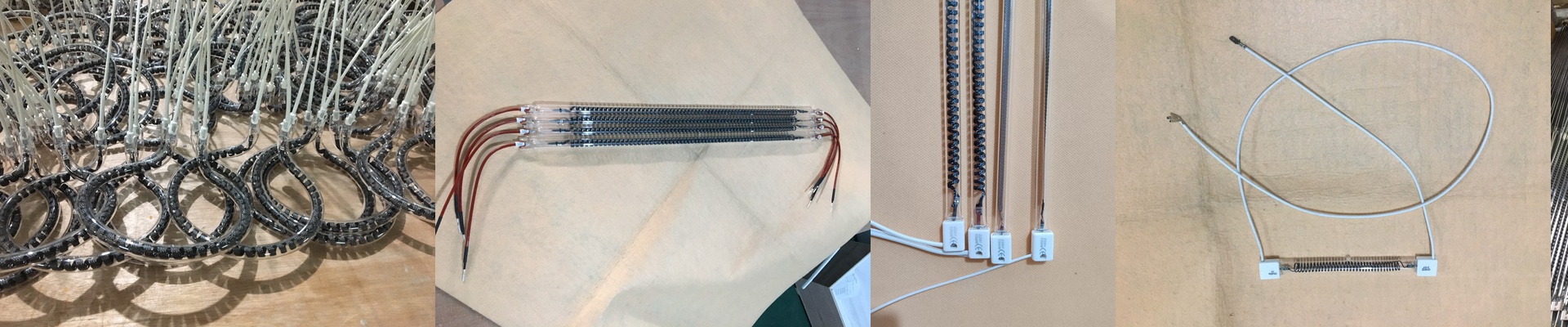
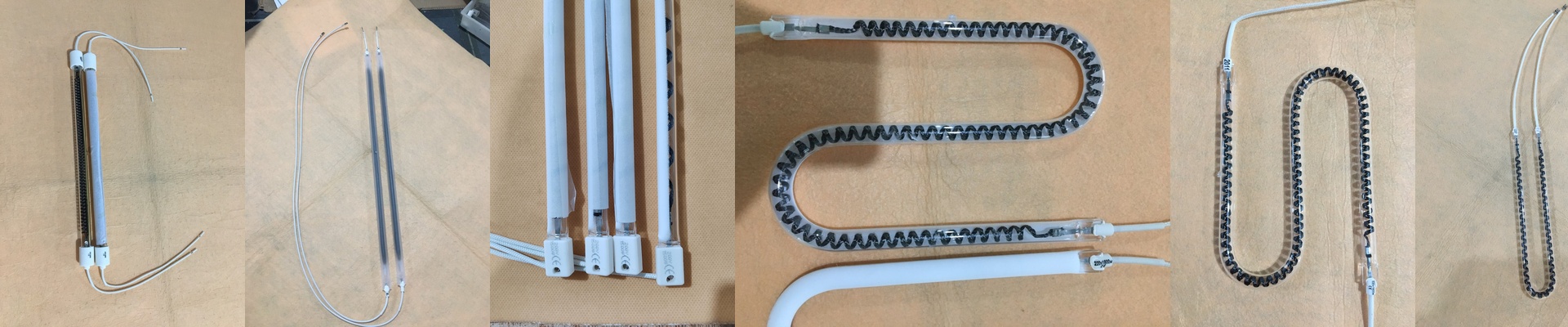
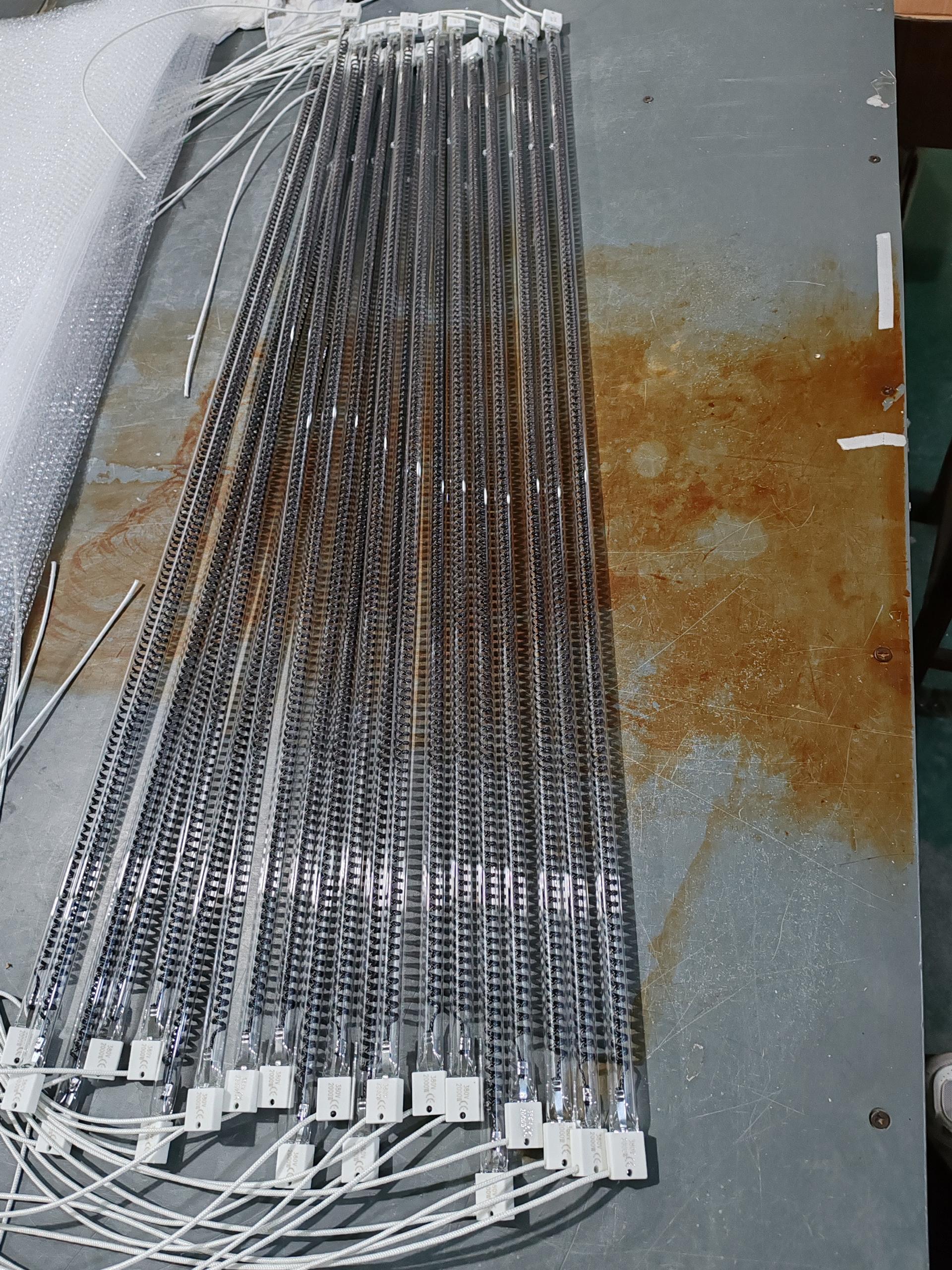
We built this 900W R7s lamp for those moments when you need heat—and you need it now. If you’re looking for a quick response and a very specific kind of warmth, this is your tool. Instead of the usual halogen tubes you see everywhere, we went with a carbon fiber filament tucked inside a quartz envelope.
The Nitty-Gritty on Power
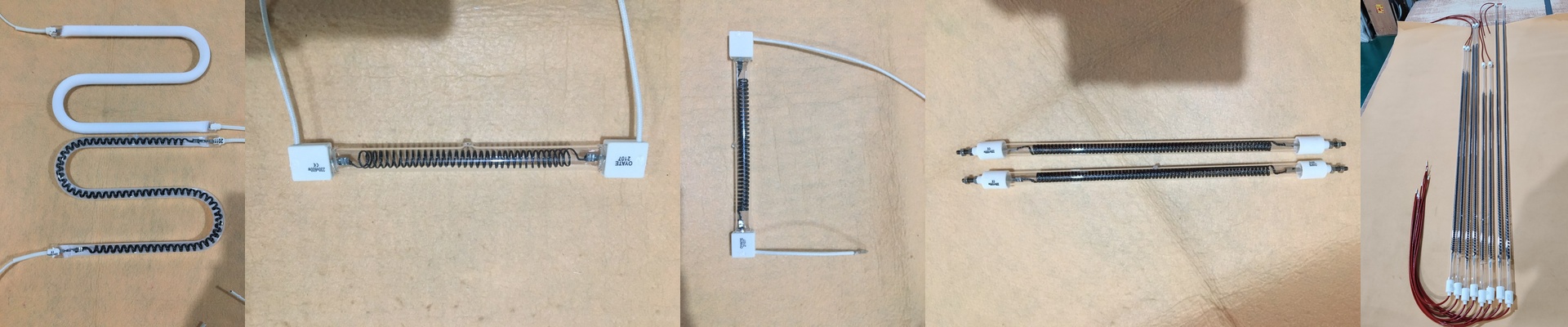
At 900W, this thing packs a serious punch without taking up much space. We used the R7s base because it just works. It snaps in securely, the electrical contact is solid, and you can get it wired up in seconds. No messing around with custom soldering. Here’s the cool part: carbon filaments don’t have to get nearly as scorching hot as tungsten to do their job. Because they stay a bit cooler while still pumping out heat, you don’t have to worry as much about the quartz tube cracking when things heat up fast.
Why Carbon Fiber?
Carbon fiber behaves differently. It puts out medium-to-long wave infrared, which is a fancy way of saying the heat actually sinks into plastics and organic materials rather than just bouncing off the surface. To keep everything running smoothly, we use high-purity quartz. It keeps the gases where they belong and stops the filament from oxidizing. Plus, since it uses that R7s connector, it’s a simple swap. When a unit finally burns out, you just pop it out and slide a new one in. Easy.
Real-World Use (and a Few Warnings)
You’ll mostly see these in PET blowing, plastic welding, or on industrial drying lines. They hit the target temperature almost instantly. But, a word of advice: these aren’t bulletproof. Carbon fiber is a bit more delicate than those chunky metal sheath heaters. If your machinery shakes a lot or takes a beating, please use dampened mounts. If the lamp rattles too much, the filament might snap. And one last thing—keep an eye on your voltage. These lamps hate spikes. A sudden surge in power will fry a carbon element way faster than it would a standard halogen bulb, so keep your regulators steady.