Keeping Your Chicks Warm with Carbon Fiber Heat Lamps
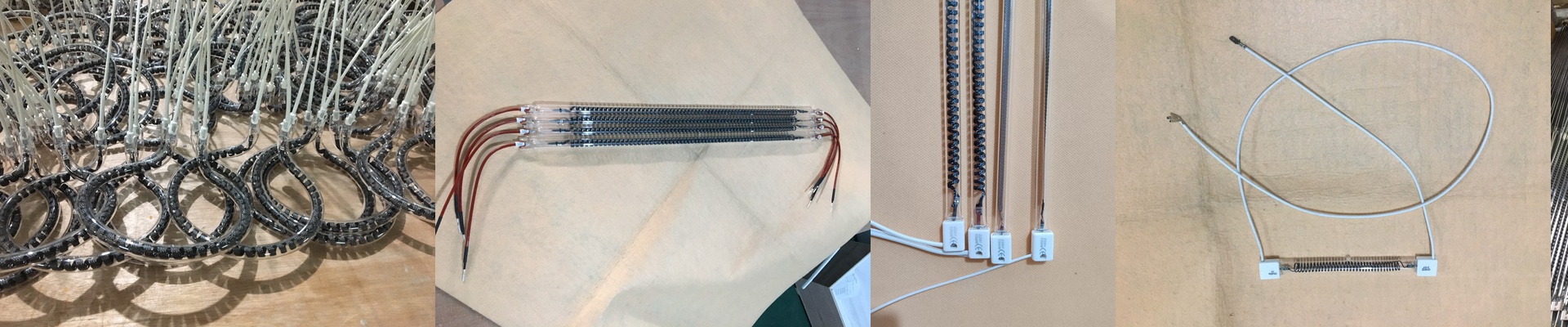
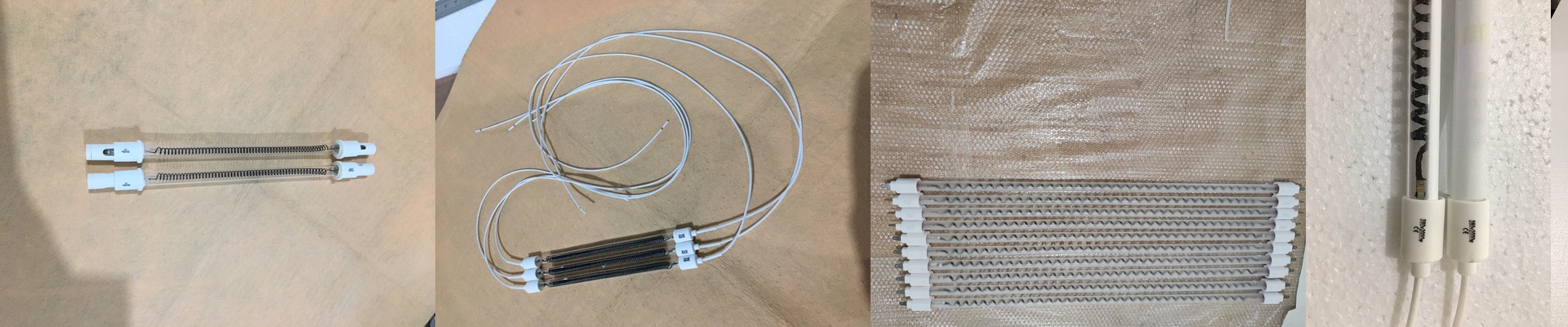
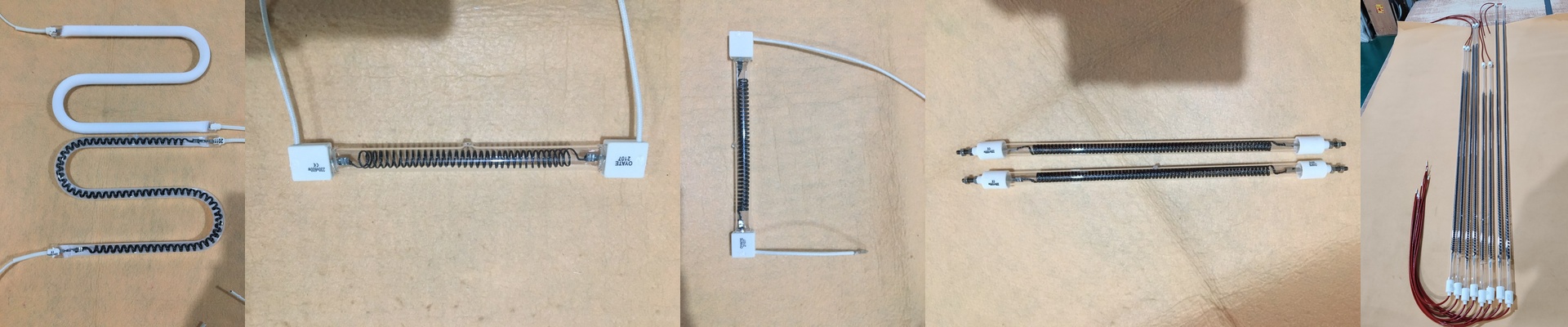
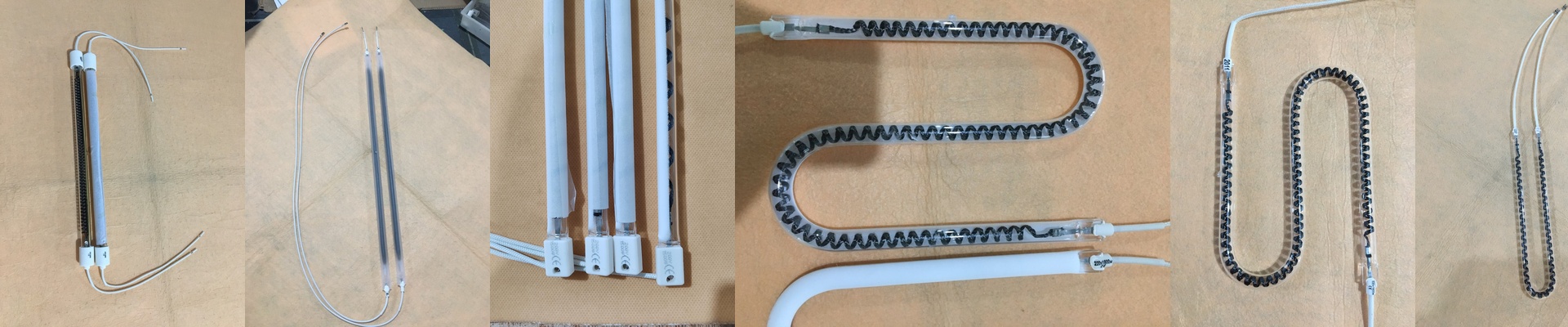
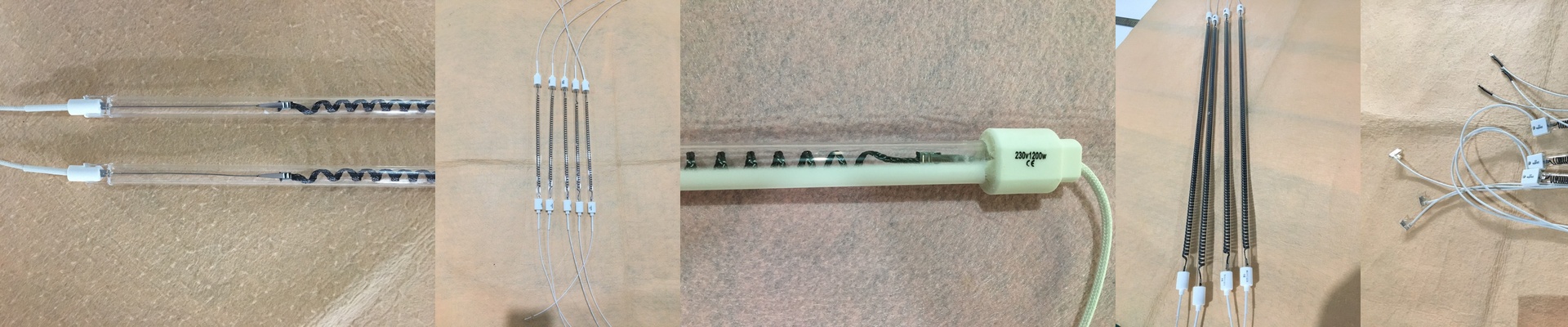
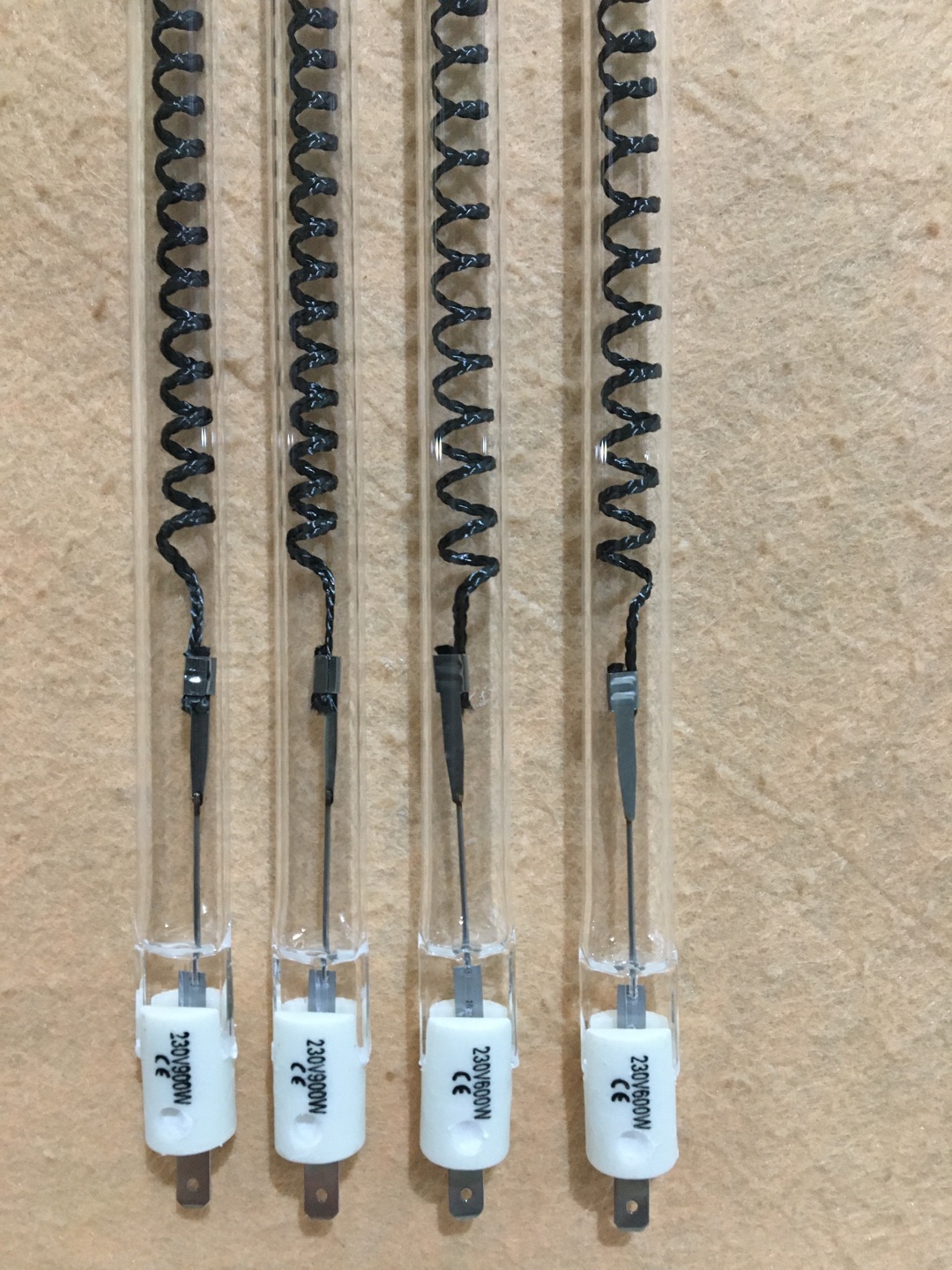
Let’s talk about brooding. If you’ve used those old-school incandescent bulbs, you know the drill. They’re okay, but we wanted something better. That’s why we built these carbon fiber infrared lamps. Instead of a fragile tungsten filament, we use a carbon fiber element tucked inside a quartz tube. We’ve got them in 500W, 800W, 1200W, and 1500W. Basically, you just pick the one that fits the size of your space. Picking the right power Here’s the thing: the wattage you choose changes everything. A 500W lamp is perfect for a small, cozy setup. But if you’re running a massive industrial enclosure, you’ll want the 1500W beast. The cool part? This isn’t just about heating the air. The long-wave infrared radiation actually sinks through the chicks’ down feathers to warm their bodies directly. It’s a much deeper, more natural kind of heat. Just a heads-up: watch your ceiling height. If you hang a 1500W lamp too low, you’re going to scorch your birds. Give them some breathing room. The gear inside We used a specific grade of quartz glass for the envelope. Why? Because it handles “thermal shock” like a pro. You can flip the switch on a freezing morning and the tube won’t crack. Plus, carbon fiber is just tougher than metal. It handles the expanding and contracting of heat way better, so these lamps don’t burn out nearly as fast when they’re running 24/7. A few things to keep in mind These lamps provide a great, steady soak of heat, but they aren’t “instant.” They take a little longer to warm up and cool down than those flashy halogen heaters. If your system relies on rapid on/off cycling, you’ll notice a slight lag. And a quick tip on the electrical side: if you’re running those 1500W units over long distances in a barn, make sure your wiring can handle the amperage. You don’t want a voltage drop killing your efficiency. Oh, and don’t forget the airflow. Keep your ventilation open so you don’t end up with stagnant heat pockets trapped right under the lamp.