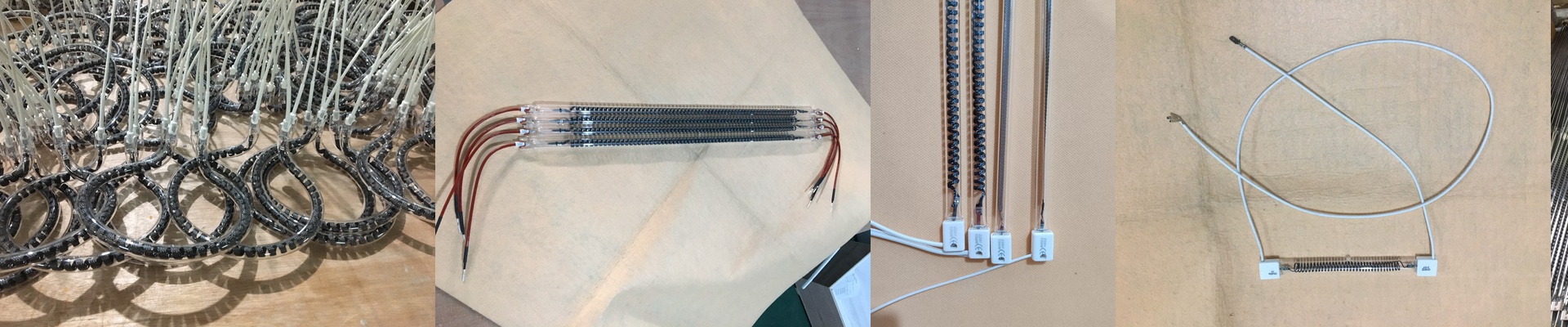
Let’s Talk About Carbon Fiber IR Lamps for Your Ovens
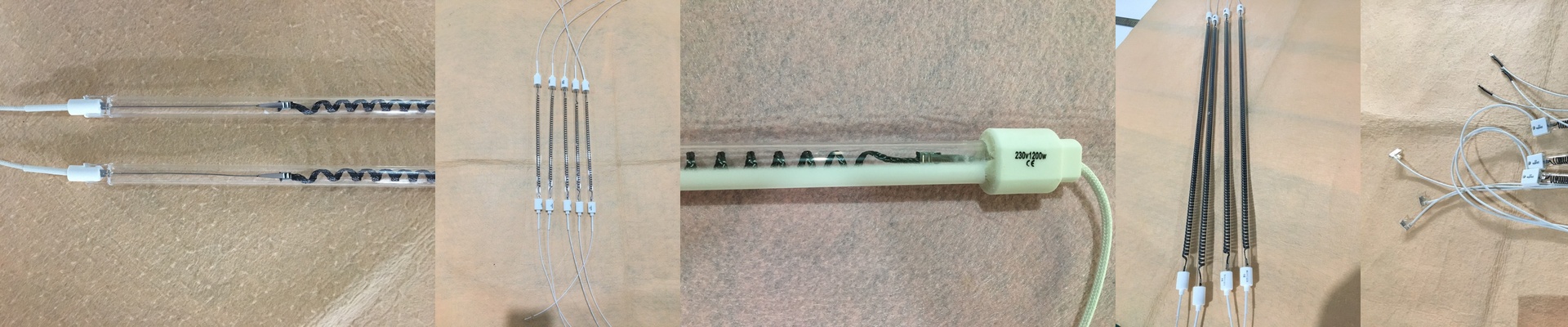
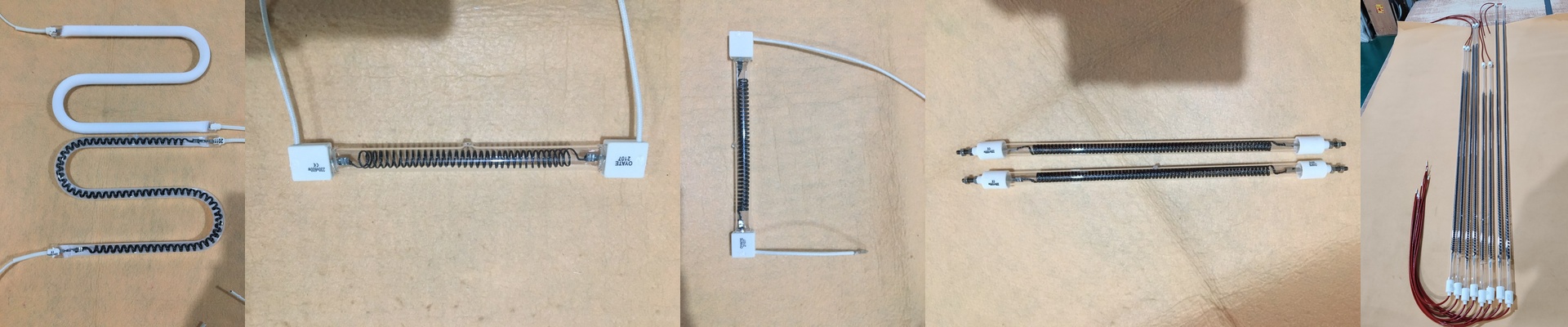
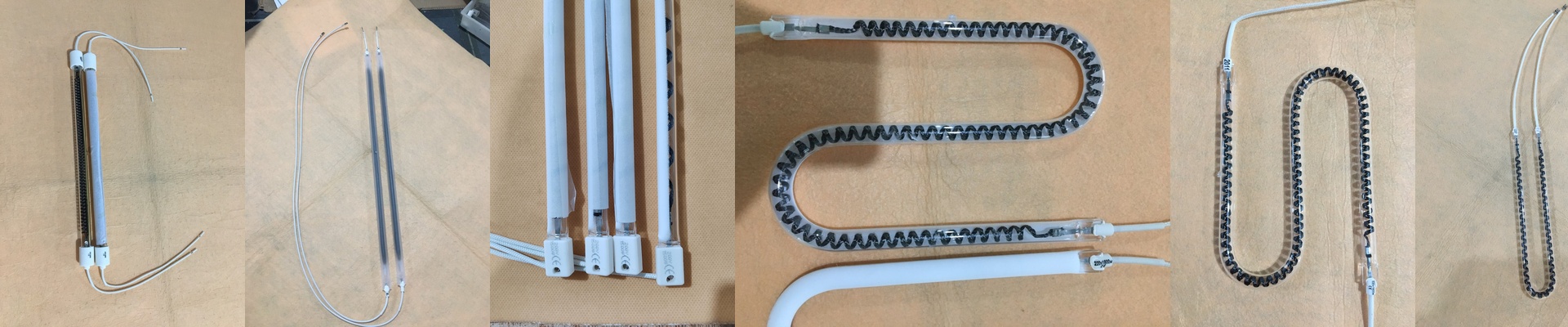
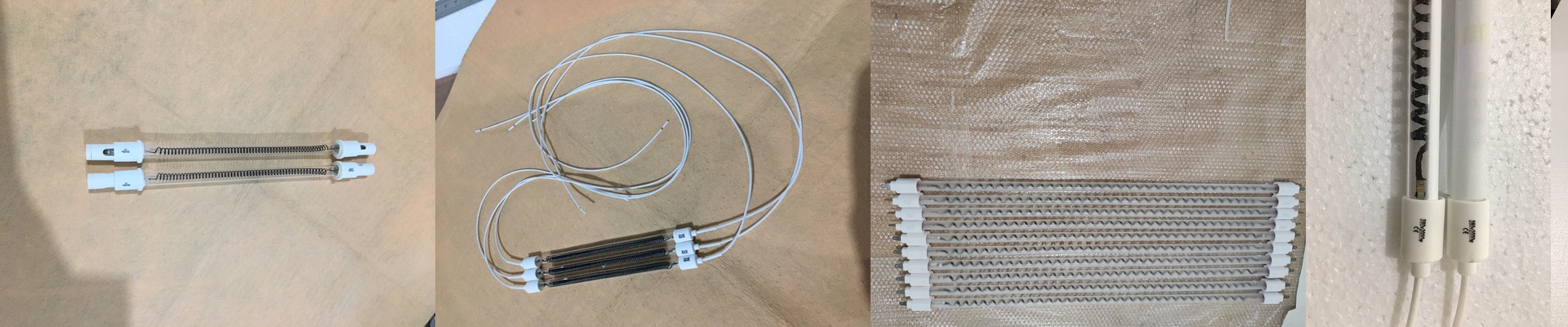
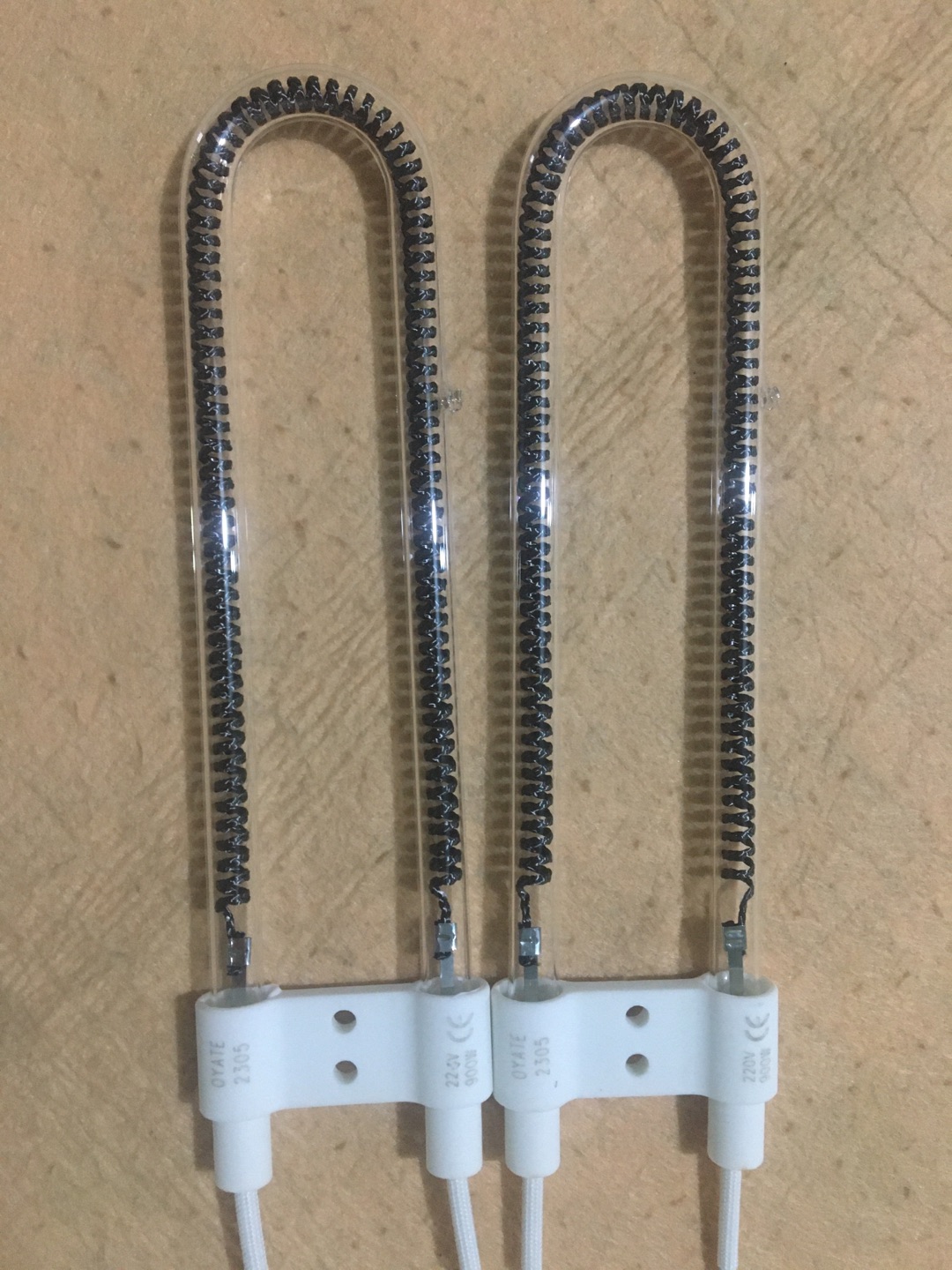
If you’re running industrial curing or drying ovens, you know the struggle of getting heat where it actually needs to go. That’s where carbon fiber infrared lamps come in. Forget those old-school metal coil heaters. These use a carbon fiber filament tucked inside a quartz tube. The result? Heat that actually penetrates your materials instead of just sitting on the surface. Getting the Power Right Here is the tricky part: the specs. We build these to handle high wattages, but you have to be careful with the voltage. If you go for a high-wattage tube, you’ll get a crazy fast ramp-up time. It’s great. But you’ve got to make sure your wiring and power supply can actually take the hit. If the voltage doesn’t play nice with your oven’s transformer, you’re looking at a filament that either barely warms up or just pops. The Build and the Fit The quartz tube isn’t just for show; it keeps the carbon filament from oxidizing. Sometimes we add special coatings to the glass. This helps the heat soak even deeper into whatever you’re baking or curing. As for the plugs, we stick with standard R7s or Sk15 connectors. Why? Because they just work. They slide right into most industrial arrays and hold tight. You don’t want your lamps shifting around while the machine is vibrating, or you’ll end up with annoying hot spots on your product. The Trade-off These things are a dream for PET blowing or curing automotive paint because they hit temperature almost instantly. Your cycle times drop, and you save a ton of space. But look, there’s a catch. Carbon fiber filaments are a bit more delicate than halogen wires. If your oven takes a hard mechanical shock, or if you push the voltage too hard, they’ll snap. The secret is using a solid PID controller. It stops the temperature from overshooting and keeps the lamps in that “sweet spot” where they can actually last.