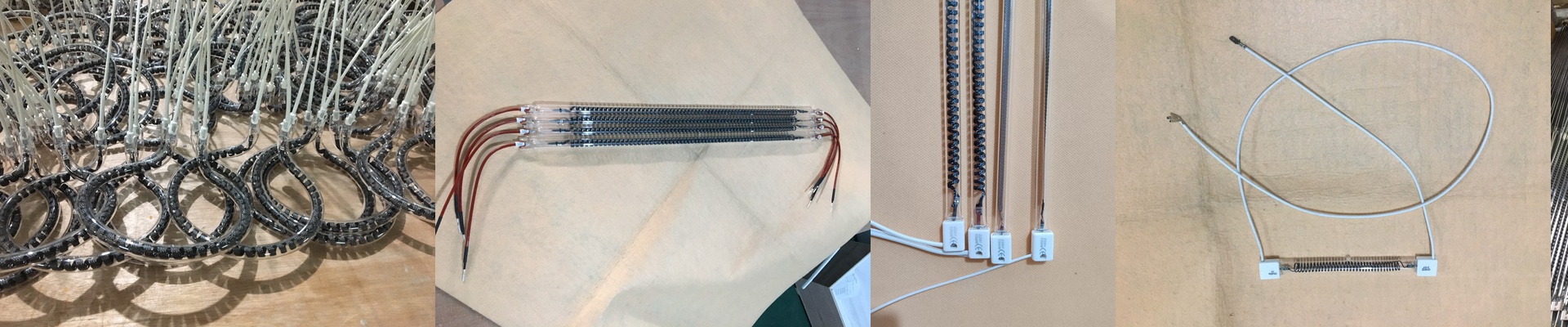
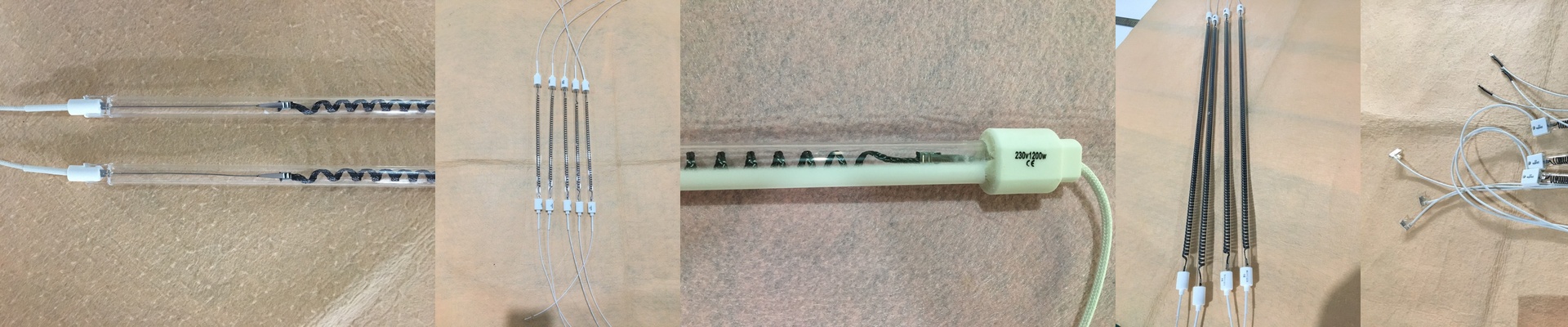
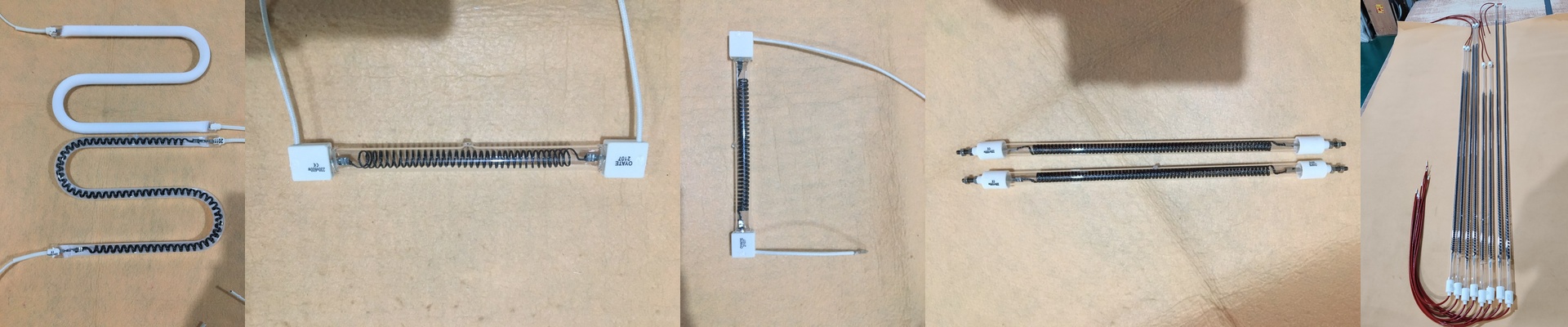
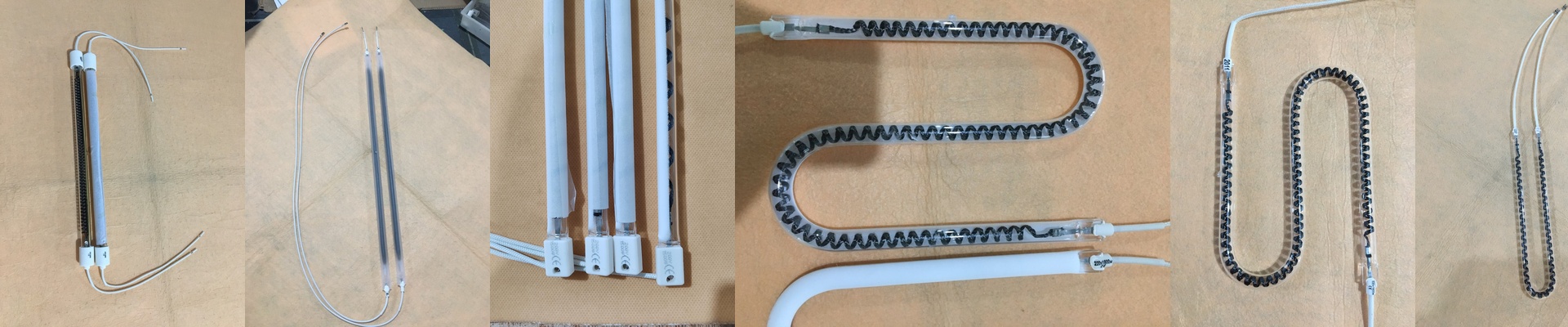
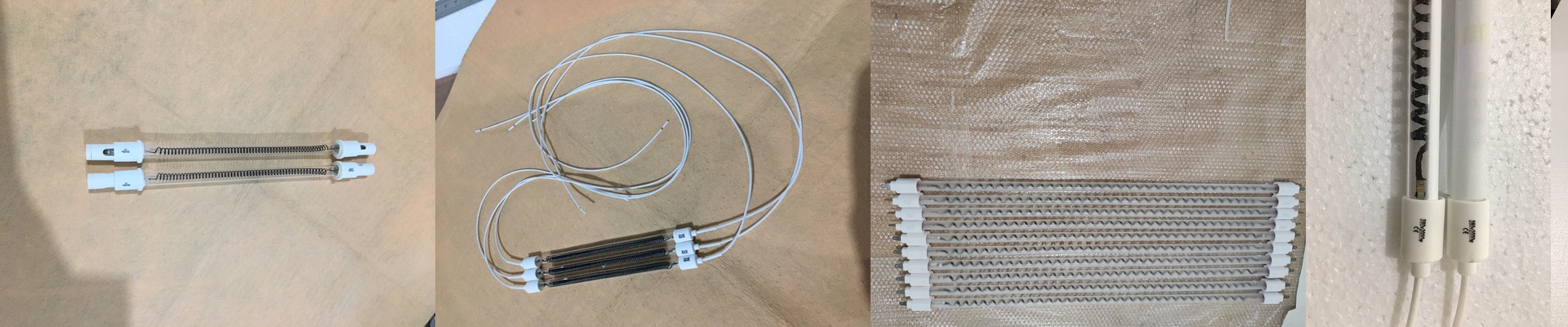
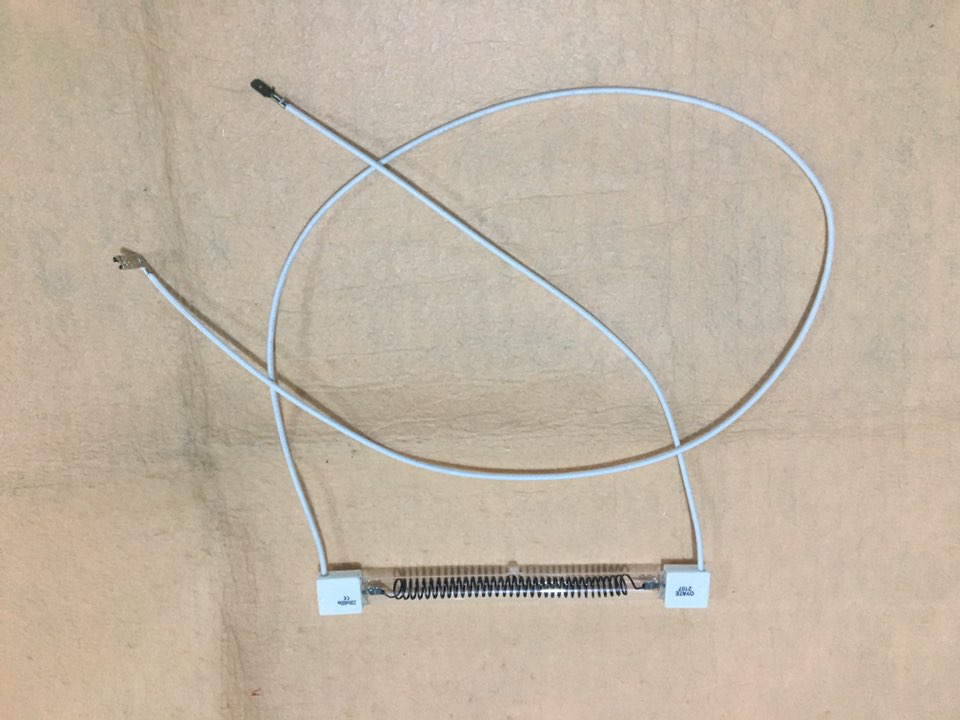
OEM 800mm 2000W Carbon Fiber Heating Lamps: Built for Serious Heat
Here’s the deal. We built this 800mm, 2000W carbon fiber heating lamp for the OEM systems that need a serious blast of focused heat, but don’t have space to waste. This isn’t just another bulb. It’s a purpose-built heating element, designed to work its tail off, day after day, without breaking a sweat.
Power, Voltage, and Size: All About the Heat
You’re getting 2000 watts of power packed into an 800mm length. That means you get a ton of concentrated heat without needing a giant lamp. It keeps your machine design clean and compact. And the voltage? It’s matched perfectly to the element’s resistance from the get-go. So when you wire it up, it just works. Run it at the right voltage, and you get a steady, reliable infrared output. No flickering. No premature burnout. Just consistent performance.
The Good Stuff: Carbon Fiber and a Smart Connector
The carbon fiber element heats up fast. Seriously fast. It gives you a clean, even thermal profile, and it’s way more resistant to those sudden temperature shocks than old-school wire-wound designs. The whole thing is wrapped in a quartz envelope that can handle extreme heat while keeping the filament clean and protected. Then there’s the SK15 connector. It gives you a solid, perfectly aligned connection—both mechanically and electrically. So swapping out a lamp on the production line is a quick, easy job. No more wrestling with loose terminals. It’s a true drop-in replacement for any fixture that already uses an SK15.
For the Jobs That Need a Pro-Level Tool
This lamp is for the industrial processes that demand fast, controllable heat. Think heating plastics, curing coatings, or drying components. That high power density is a huge time-saver, cutting down on cycle times. But here’s the thing—it also means your machine’s cooling and electrical systems need to be up to the task. If you run this thing without proper heat management, you’re going to be hard on the surrounding components. But when your system is designed to handle the load? That’s when you get repeatable temperature control, rock-solid output, and a maintenance schedule you can actually count on.
- OEM
- 800mm
- 2000W
- Carbon
- Heating
- Element
- SK15
- Fiber
- Lamps
- 500w 230v Sk15 Half White Plated Ir Lamp Halogen Infrared Heat Lamp Heater for Pet Bottle Blowing Machine
- 2500w 400v Halogen Infrared Curing Therapy Lamp Infrared Heat Lamp for Pet Bottle Blowing Machine
- 350mm 220v 1500w Halogen Infrared Heat Lamp for Pet Blowing Machines Plastic Moulding