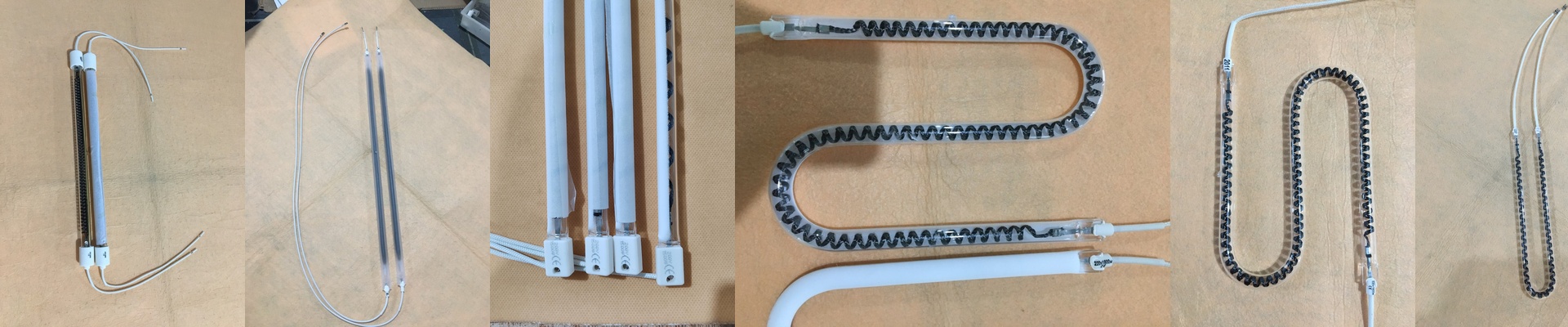
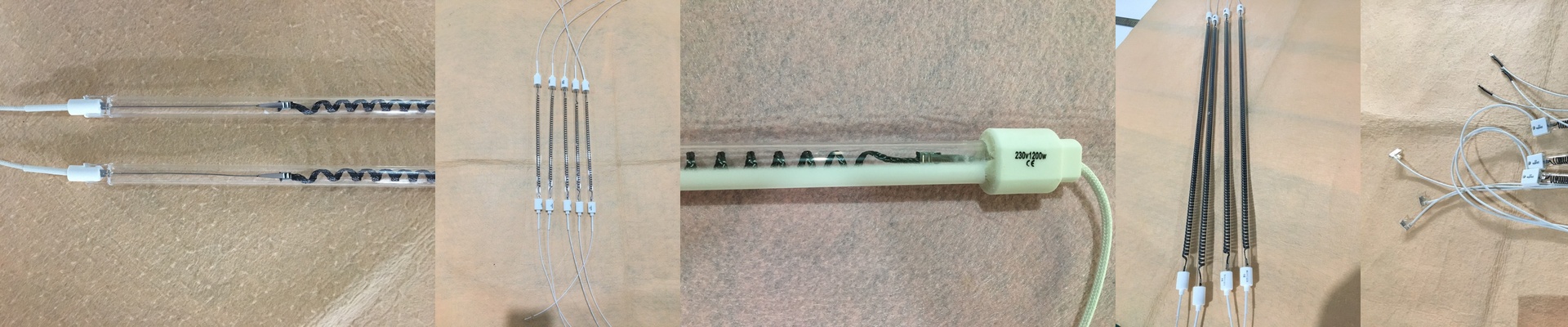
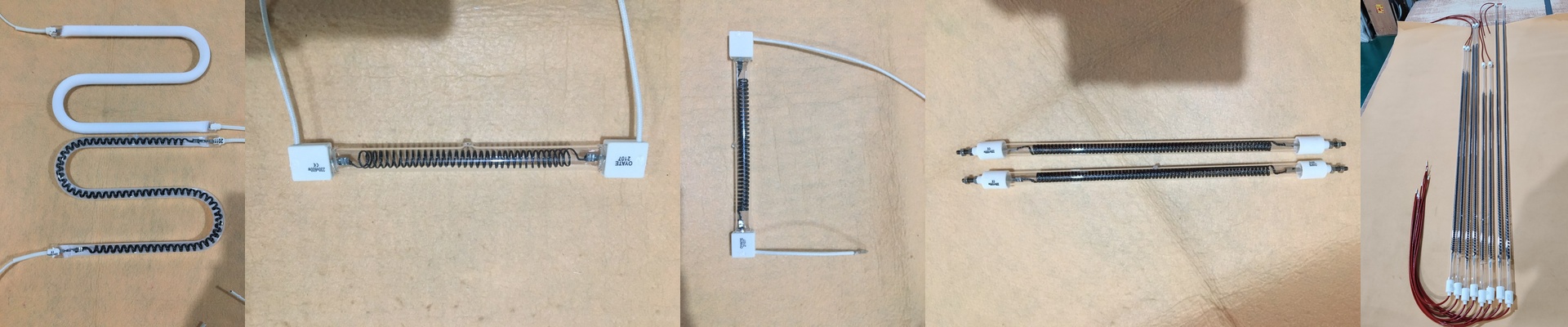
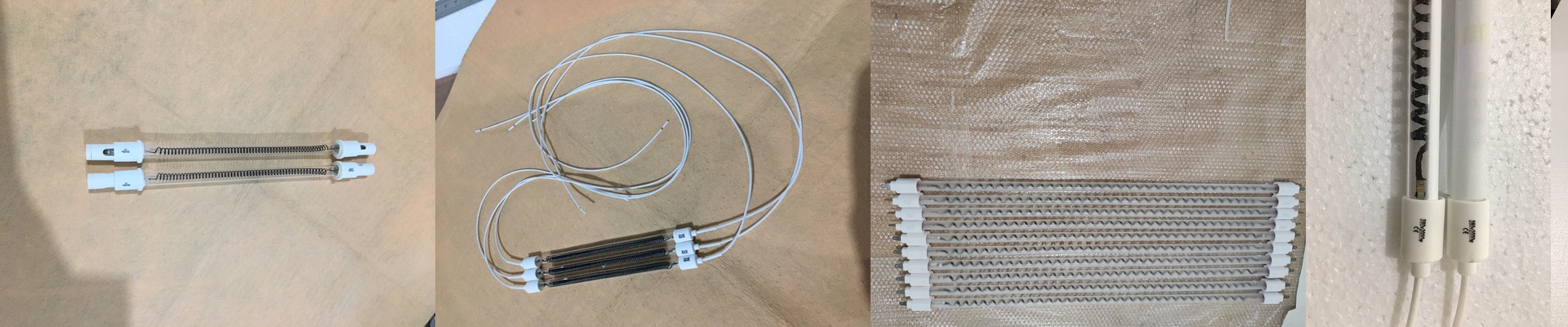
Carbon Fiber Halogen Heating Tubes: Serious Heat for the Industrial Floor
If you’re running an industrial heating process, you know the drill. You need heat, and you need it now. No waiting around. No lag. Just fast, reliable power in a space that’s already tight. That’s where these carbon fiber halogen heating tubes come in. They’re built for the kind of work where you can’t afford to mess around. Think high-temperature, high-stakes jobs that demand consistent heat, every single time.
The Power Behind the Heat
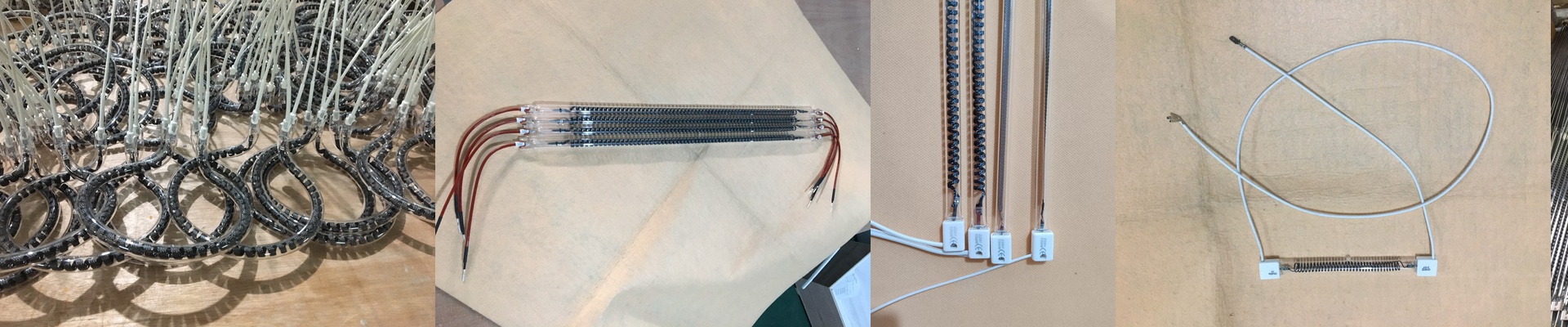
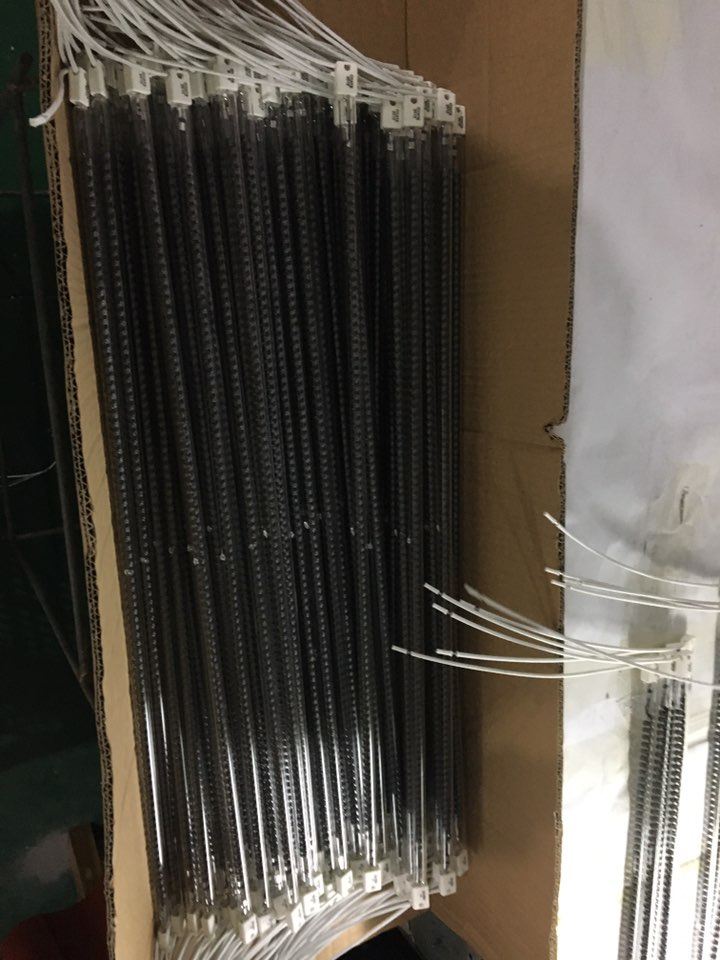
Here’s the thing about these tubes: they run on400V, and that’s by design. It’s what gives them the muscle to pack a ton of heat into a small package. We’re talking2500Wof power that gets the tube up to temperature fast. Seriously fast. The kind of speed that shaves precious minutes off your warm-up time and keeps your line moving. And at just300mm long, it fits where bulky heaters can’t. Crowded machine bays? Short heating zones? No problem. But with that kind of concentrated power, you’ve got to make sure your machine’s cooling and thermal systems are up to the task.
Built to Last in a Tough World
These tubes aren’t delicate. The heating element lives inside aquartz envelope, which is tough as nails. It laughs in the face of thermal shock and shrugs off the chemical harshness of a busy shop floor. Inside, thehalogen gasdoes its job, keeping the filament temperature stable. That means you get steady, predictable output for the long haul. And when it comes time for maintenance? Aprotective coatingkeeps the surface clean and makes the whole process a lot easier. Plus, the**R7s connector**is a straight-up, drop-in fit for most industrial setups. You can wire it in with the tools you already have, so changeover is quick and painless.
Where This Stuff Shines
This is the kind of heat you need for serious work. We’re talkingPET blowing, plastic forming, and other industrial heating jobs where speed and control are everything. The fast response time means your cycles stay consistent. The compact size makes it easy to slot into existing equipment without a full redesign. But here’s the trade-off: you’re dealing with high power density. So you have to make sure the voltage and wattage match your machine’s electrical and thermal design. Get that right, and you’ve got a heater that can take a beating and keep on delivering.