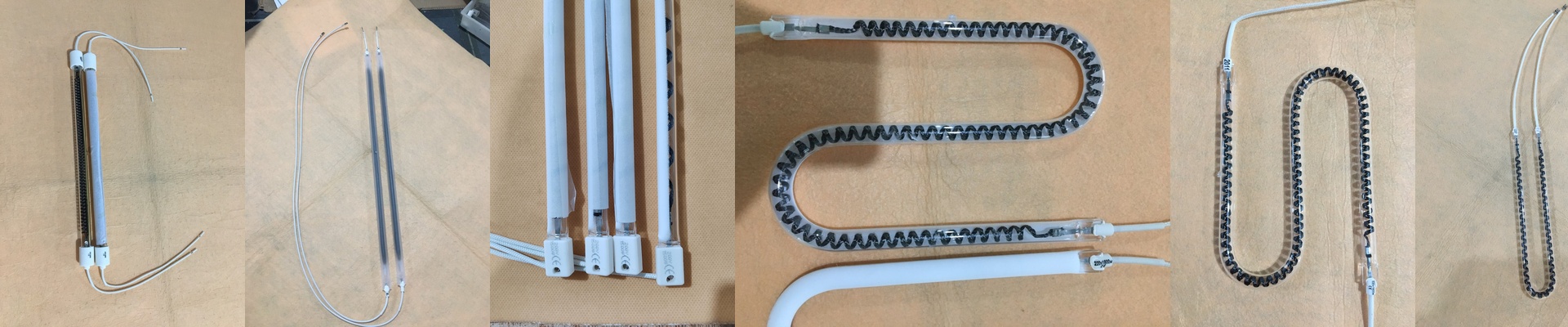
Technical Deep-Dive: Power, Voltage, and Dimensions
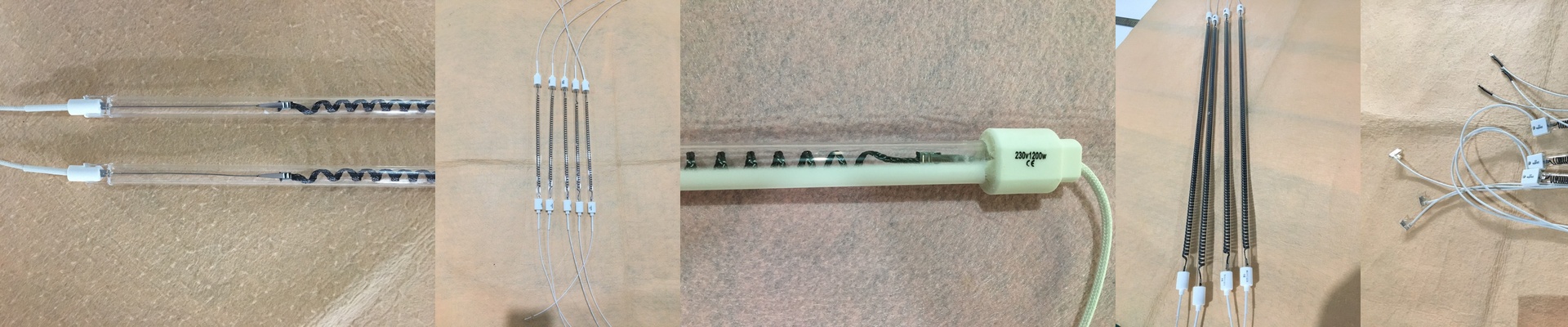
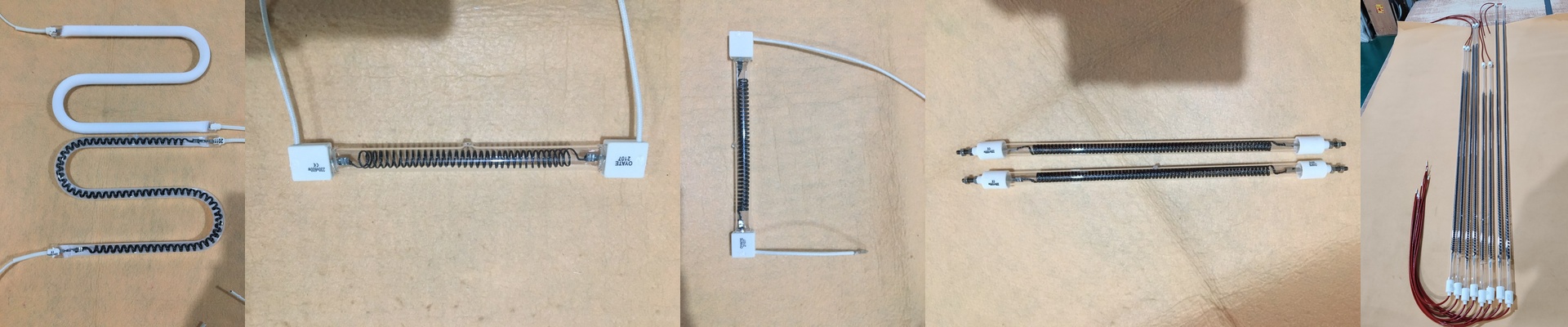
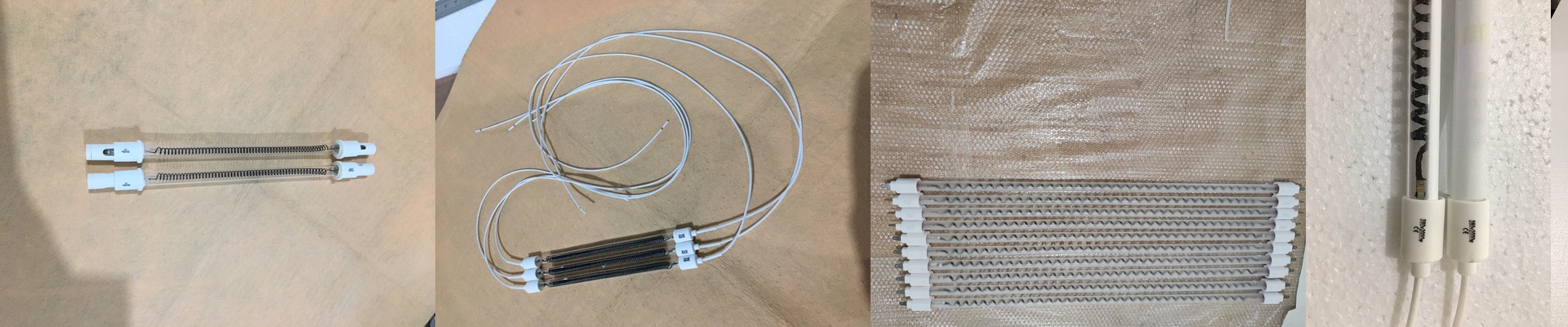
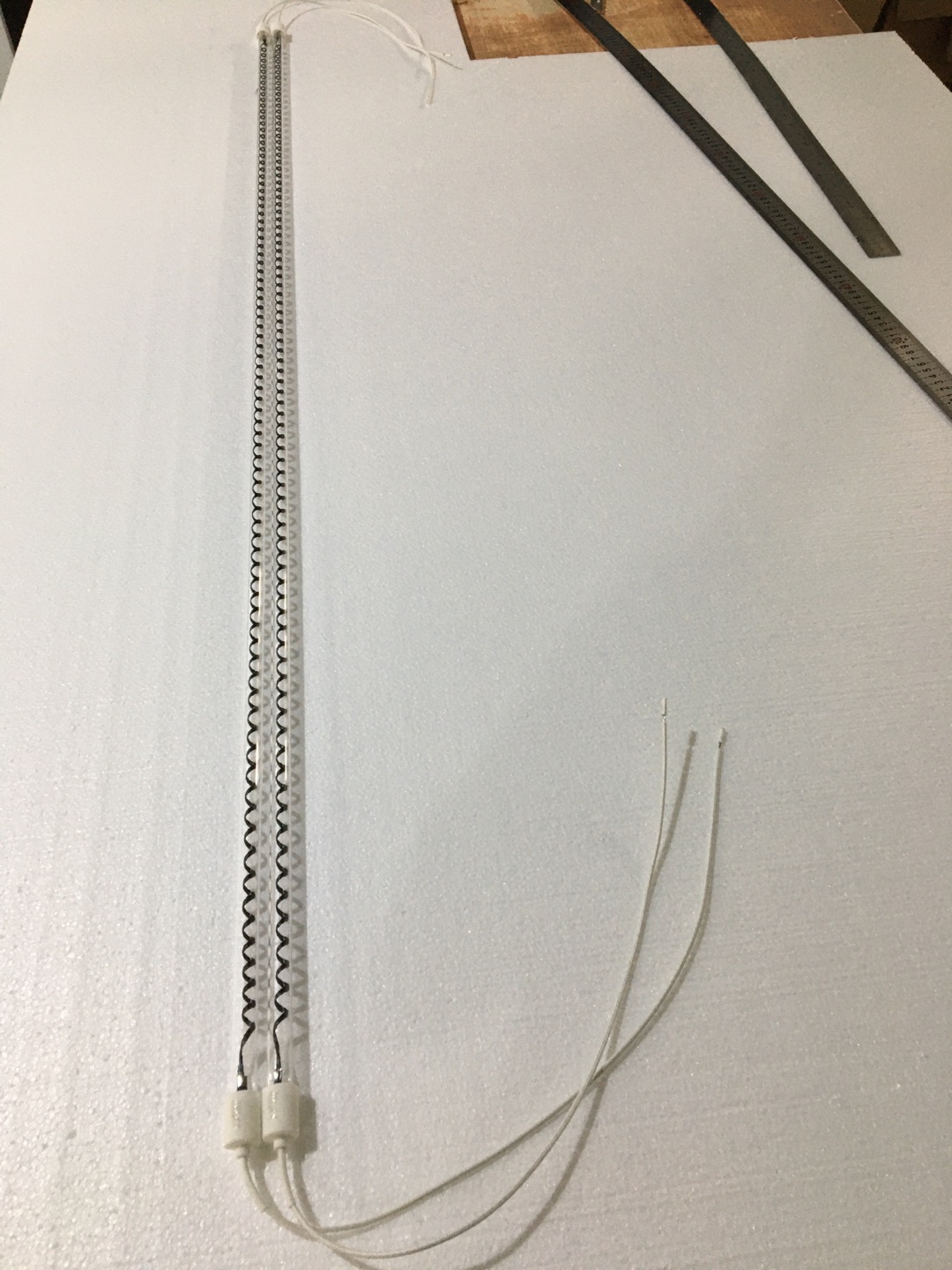
Let’s talk about what makes this carbon fiber heating tube actually work. We built it to be small, but seriously strong. It’s an infrared heat source that punches way above its weight. A typical setup runs at 400V and 2500W, packing a ton of power into just 300mm of space. That compact size is a game-changer. It means you can focus heat exactly where you need it, without having to rework your whole machine layout. And because it runs on high voltage, the current stays manageable. So your cables stay lean, and you don’t have to stress the connections.
Material and Design: Halogen, Quartz, and Connectors
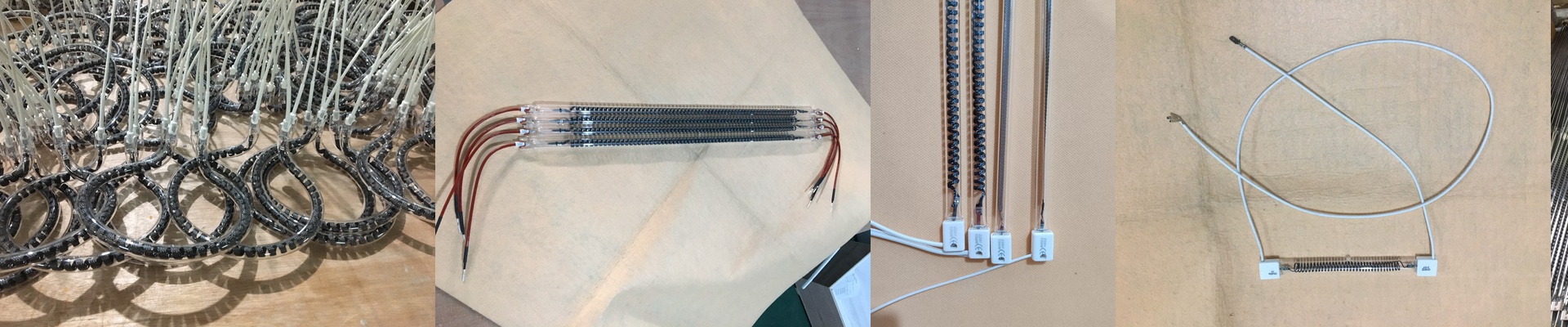
Inside, you’ve got a carbon fiber filament, snug inside a quartz tube and surrounded by halogen gas. That combo is the secret sauce. It keeps the filament from breaking down, even when things get scorching hot. The result? A longer life and steady, reliable output. The tube surface often gets a special coating, too. It’s there to fine-tune the infrared spectrum, so you get the absorption you need for the job at hand. And when it’s time to hook it up, the R7s bi-pin connector makes it dead simple. It’s a trusted standard for linear tube heaters, so installation is a straightforward drop-in. No fuss.
Application and Benefits: Efficiency and Installation
These tubes were born for tough industrial jobs—think PET blowing, thermoforming, or heavy-duty oven work. Infrared heat is fast. Like, really fast. That means you cut down on warm-up time and keep your line moving. The compact shape plus the standard R7s connection makes integration a breeze, and when it’s time for a replacement, you’re back online quickly. But here’s the thing—all that power comes with a need for proper cooling. You’ve got to have a cooling system that’s up to the task. It keeps the surrounding temperature in check and protects everything else nearby.