Getting the Heat Right with Carbon Fiber IR
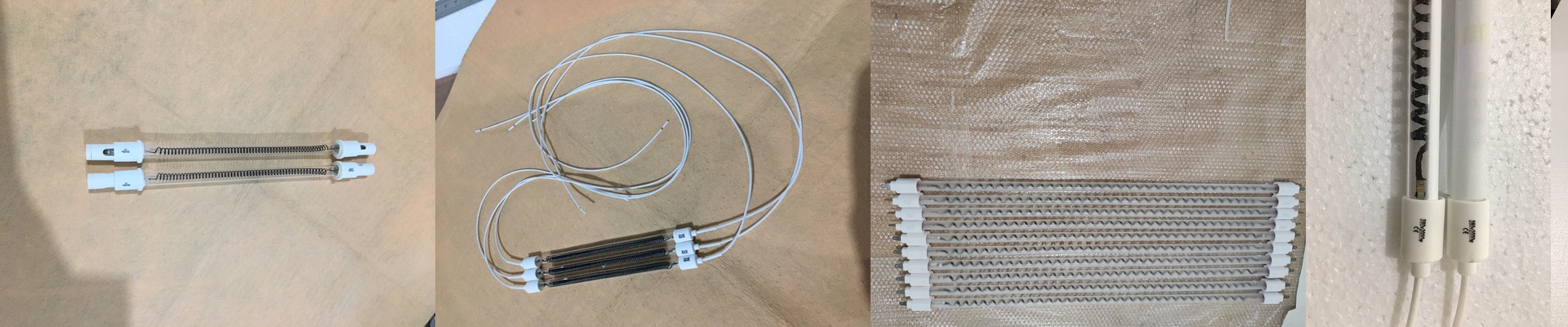
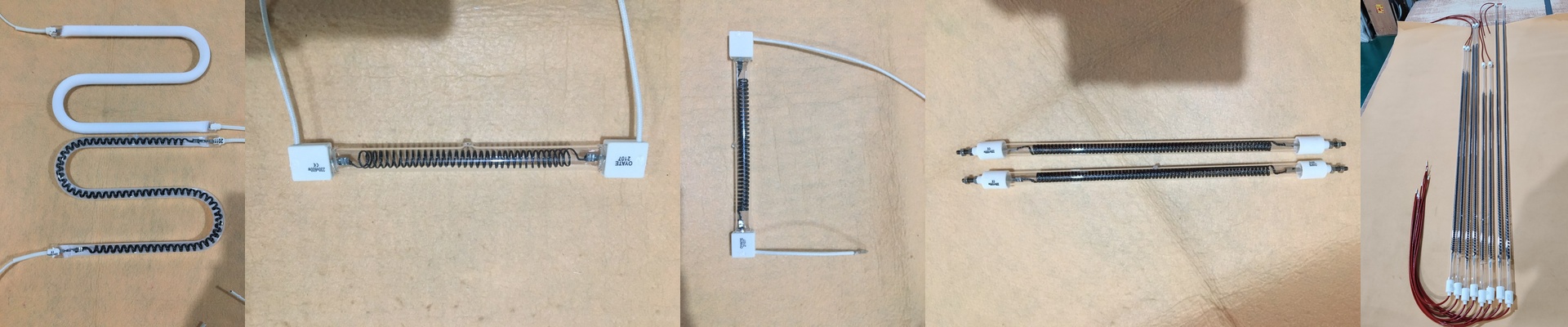
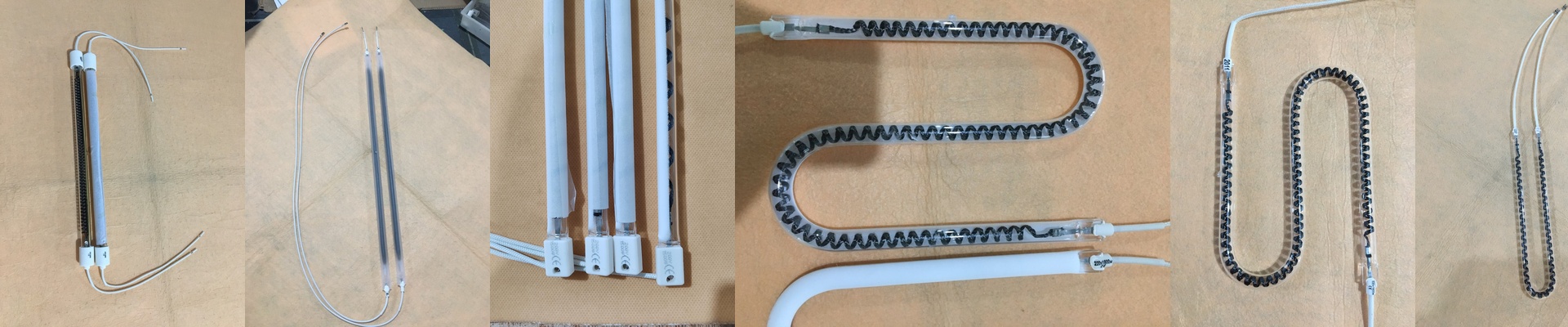
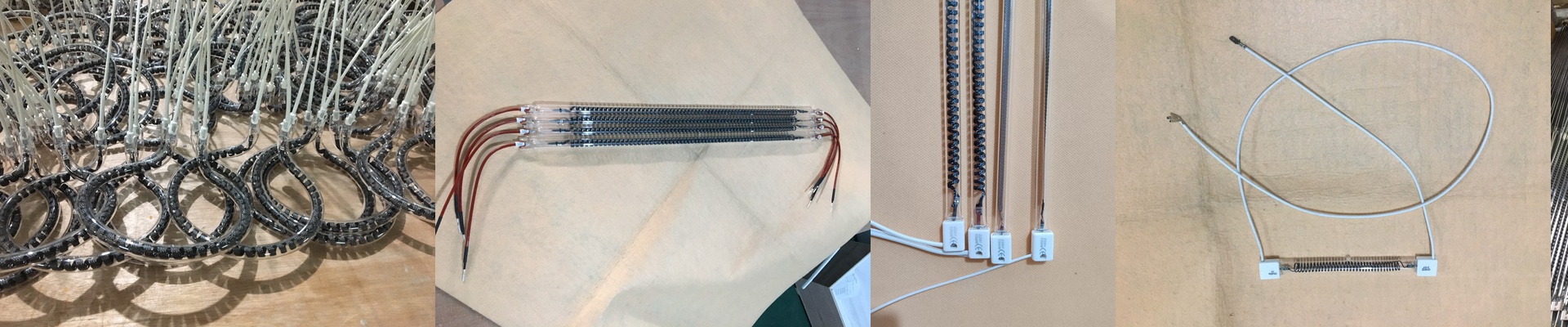
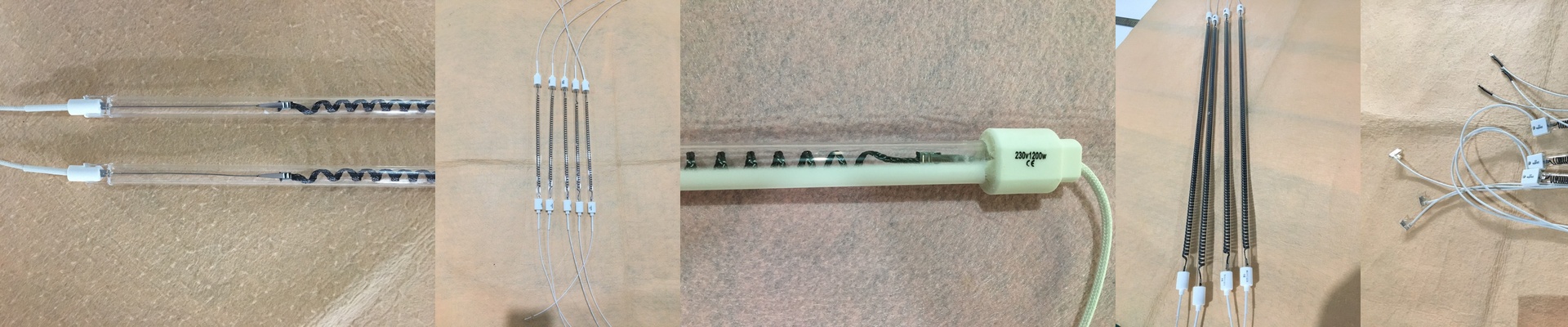
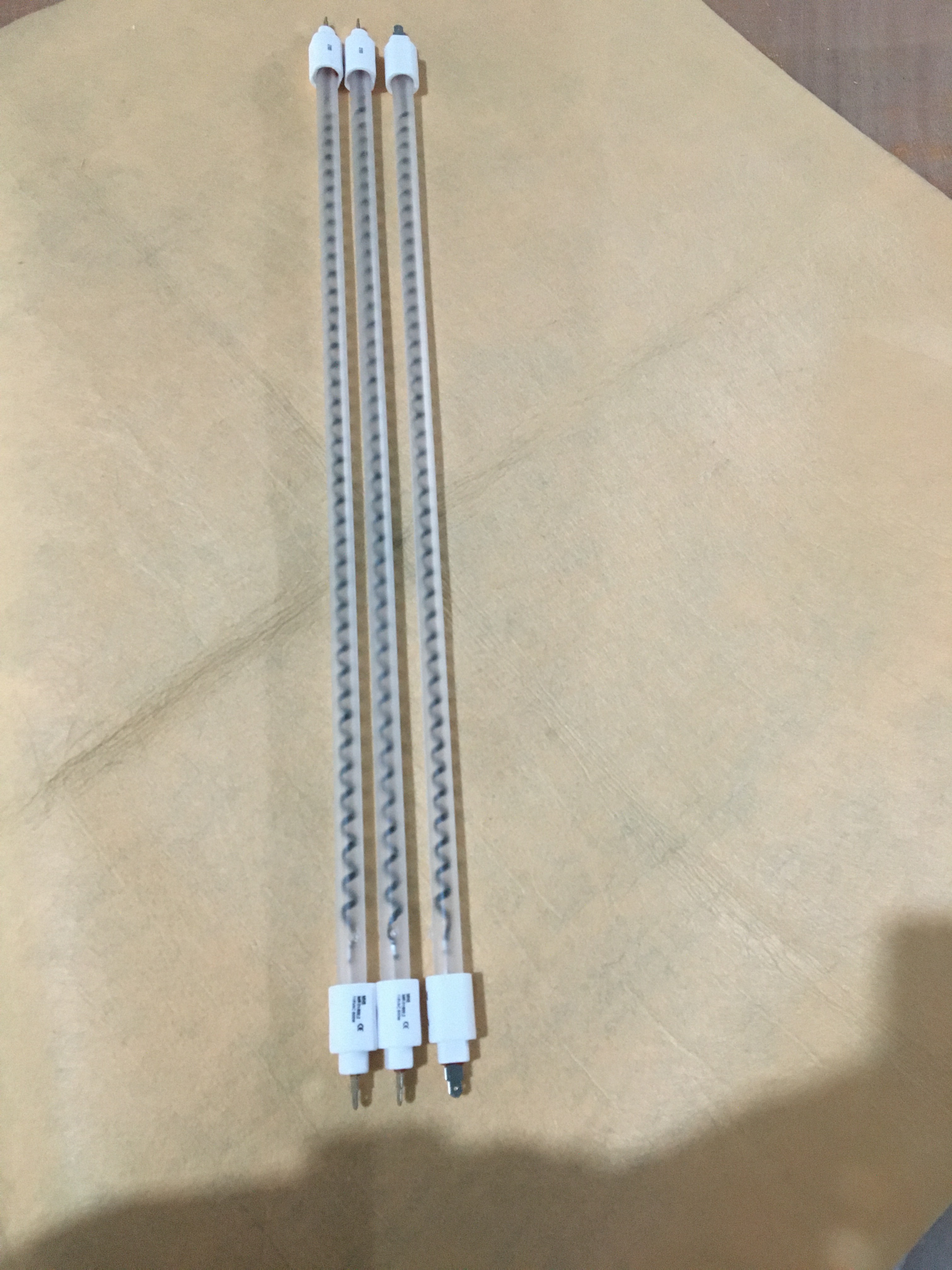
When you’re trying to change how a material behaves without actually ruining it, you need heat—but you need it to be precise. That’s where our carbon fiber heating elements come in. Most people are used to metal coils, but those have a habit of creating “hot spots” that warp your materials. Carbon fiber is different. It spreads the heat evenly across the whole tube, so you don’t have to worry about those annoying uneven patches.
Let’s talk power and voltage
The wattage and voltage are basically what control the “punch” of the heat. If you go with a high-wattage lamp, the ramp-up is incredibly fast. We’re talking about hitting your target temperature in a matter of seconds. But here’s the thing: you’ve got to make sure the voltage matches your power supply. If you don’t, you’re just asking for a premature burnout. Now, high-voltage setups are great for longer tubes because they keep the intensity steady, but just keep in mind they put a bit more stress on your insulation.
The build and the “dirty” truth
We wrap the carbon fiber filament in high-purity quartz. This is key because it lets the shortwave radiation actually get into the material you’re treating. Depending on your rig, we use R7s or Sk15 connectors. They’re standard, so they should just slide right into most industrial housings without a fight. One heads-up, though: if your shop is dusty, that quartz tube is going to get dirty. When grime builds up, it blocks the IR waves and your heat output drops. Give them a quick wipe down every now and then to keep things running hot.
Where this actually works
These lamps are a lifesaver for PET blowing, curing, and drying. The cool thing about the carbon fiber core is that it handles the “on-off-on-off” cycle much better than tungsten. They don’t snap nearly as often, which means fewer headaches for you. Just a word of caution: all that heat density puts a real load on your cooling fans. If your cabinet ventilation isn’t beefy enough for the total wattage, you’re basically cooking your own wiring. Keep the airflow clear, and your lamps will last a lot longer.