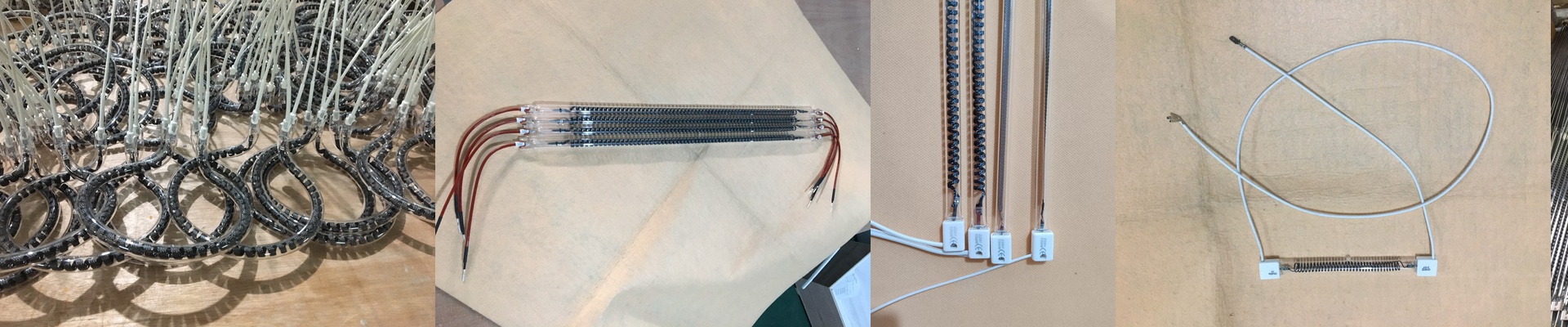
Let’s Talk About Carbon Fiber Quartz Heaters
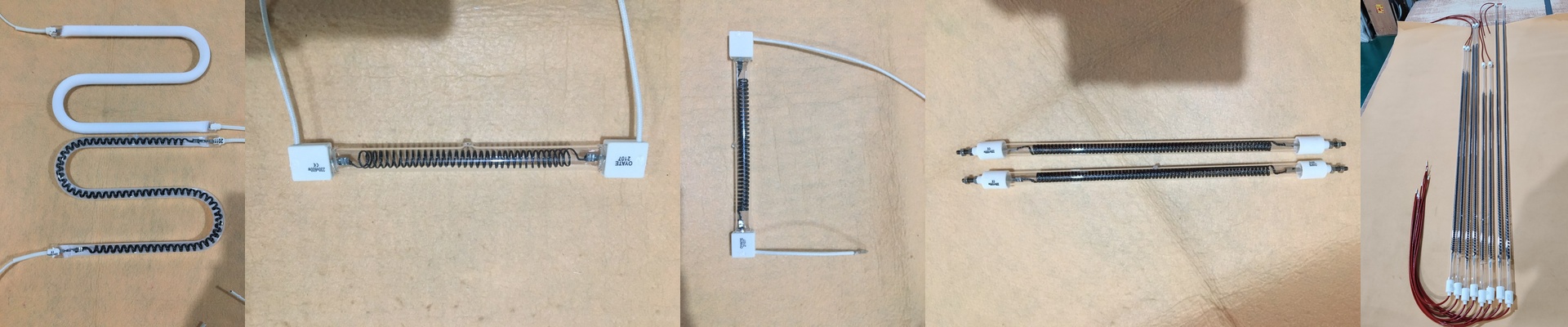
We build these heaters to move heat using far-infrared (FIR) radiation. If you’re used to those old-school halogen lamps with the tungsten filaments, this is a different beast. We swap the filament for carbon fiber and wrap it in a high-purity quartz tube. It sounds like a small change, but it completely changes how the heat actually hits your material.
The nitty-gritty on heat
Here’s the thing: carbon fiber lets the heat sink deeper into whatever you’re working on. When you’re setting up a high-speed line, you’ll be looking at the wattage-to-length ratio to figure out how fast you can ramp up. High-wattage tubes get things hot fast. But you have to be careful. If you cram too much power into a short tube, you’re asking for a burnout. **Pro tip:**Make sure your voltage matches the element’s resistance perfectly. Otherwise, you’ll get hotspots, and nobody wants that.
How they’re built
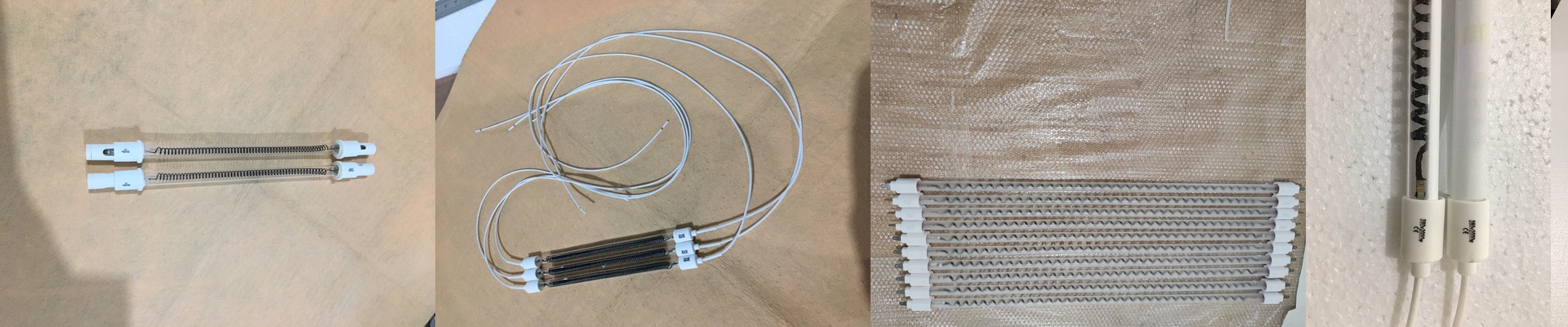
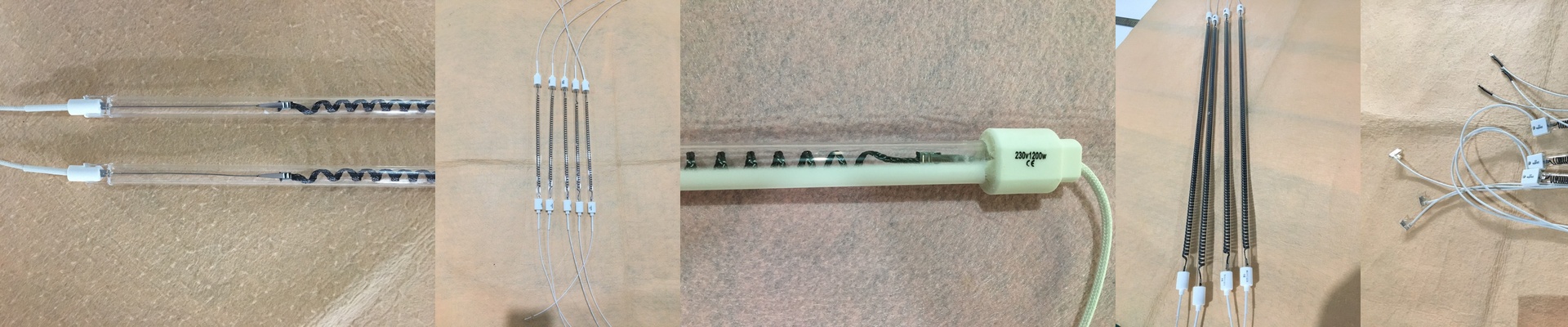
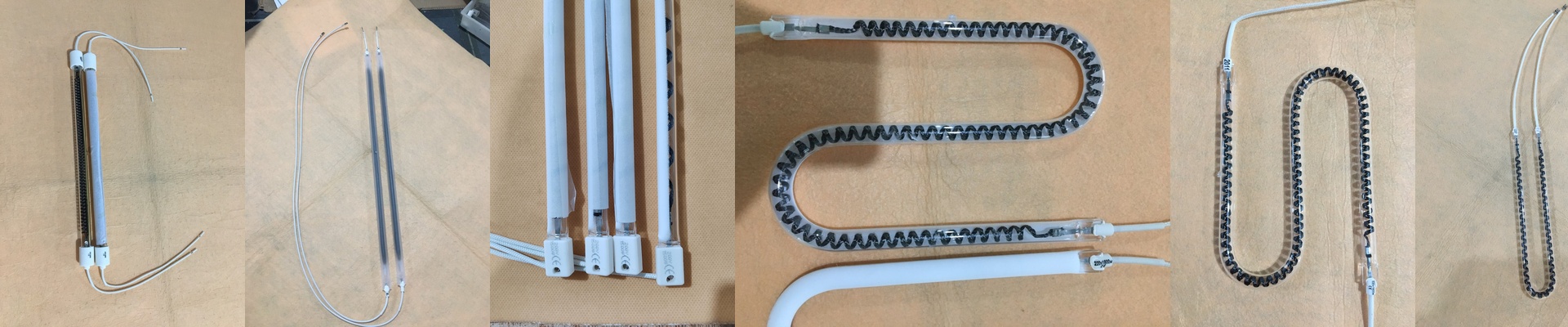
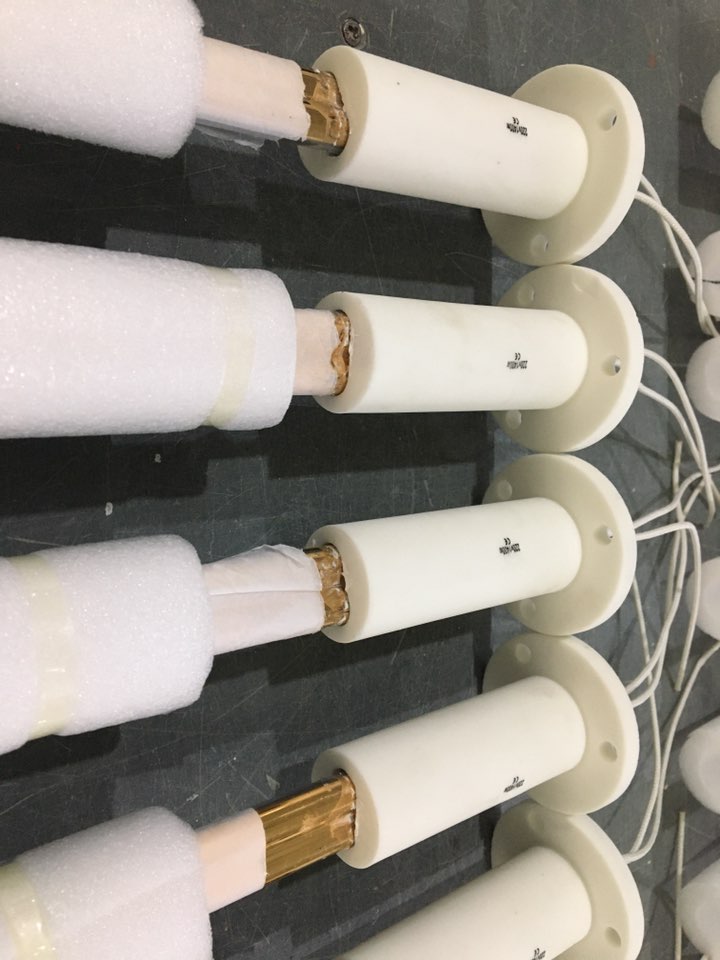
The quartz tube does two big jobs. It keeps the carbon fiber from touching oxygen (which would ruin it) and lets the infrared energy pass through without losing its punch. We use high-temp quartz so the tubes don’t warp when things get intense. Depending on your rig, you can pick different end-caps—maybe a push-in connector or a threaded mount. Just make sure that seal isairtight. If even a little bit of oxygen leaks in, the carbon fiber will oxidize and the lamp is toast. Just like that.
Making it work in your shop
These usually slide right into systems designed for mid-to-long wave heat. They’re great for drying coatings or getting plastics pre-heated. They react way faster than ceramic heaters. But there’s a catch. Carbon fiber is a bit more fragile than metal. You can’t just manhandle these tubes. If your machinery vibrates a lot, do yourself a favor and use dampened mounts. It’s the only way to keep the quartz from cracking.