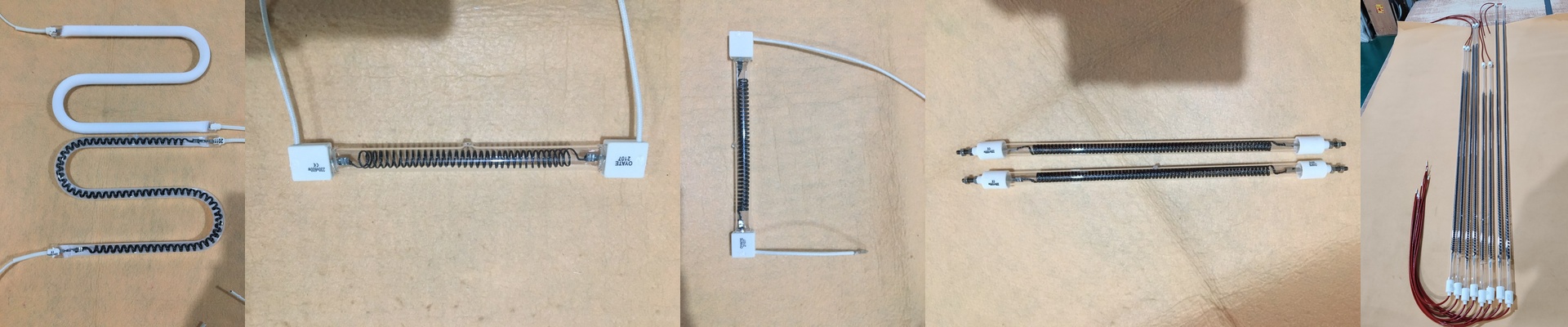
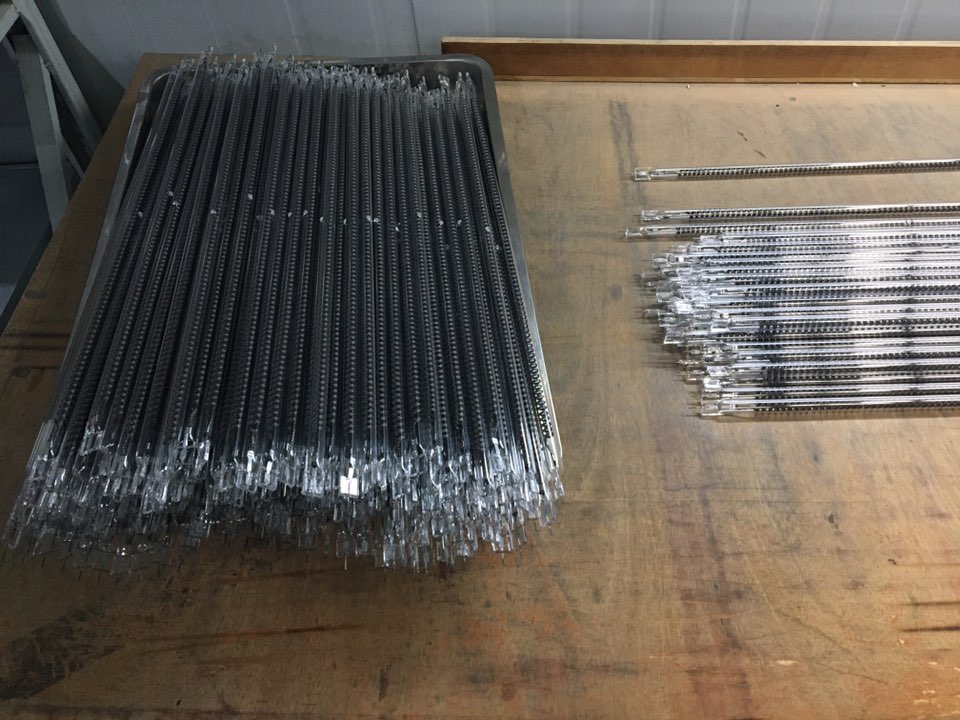
Let’s Talk Carbon Infrared Heat Lamps
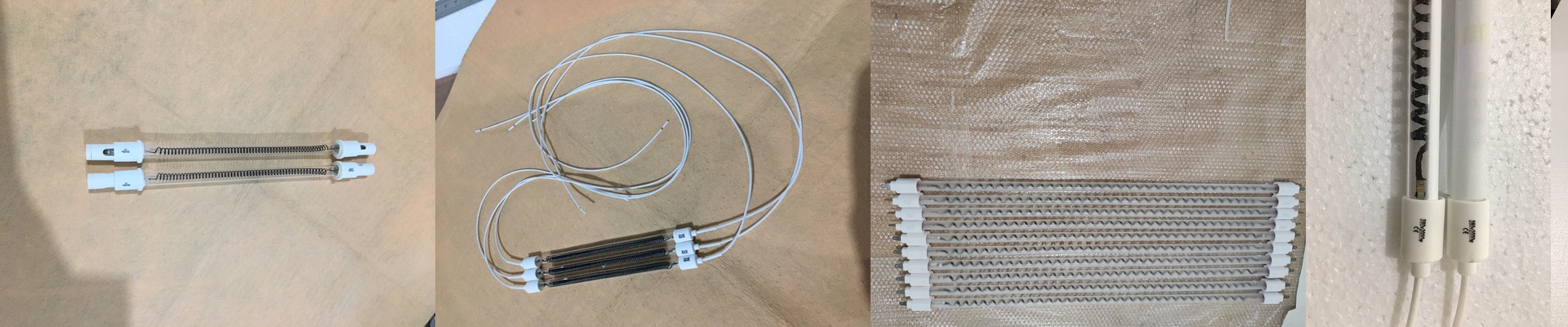
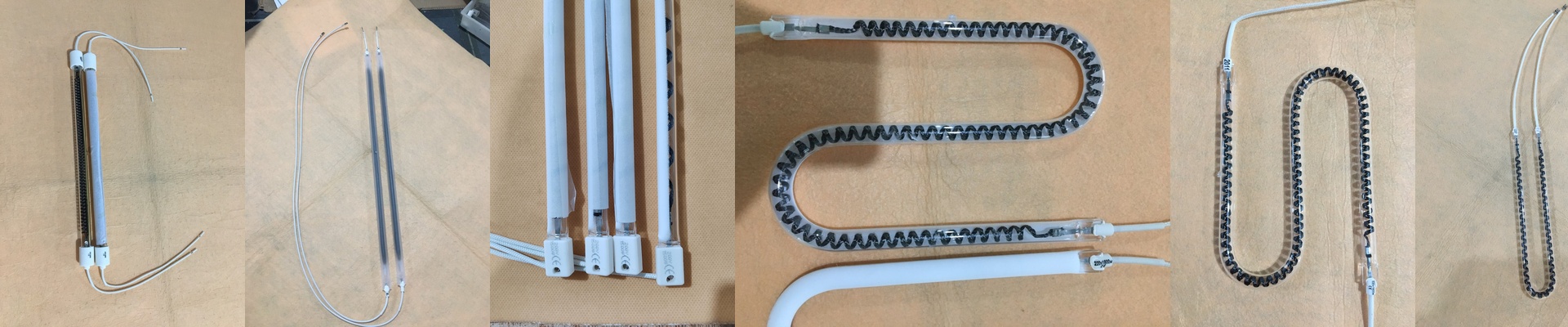
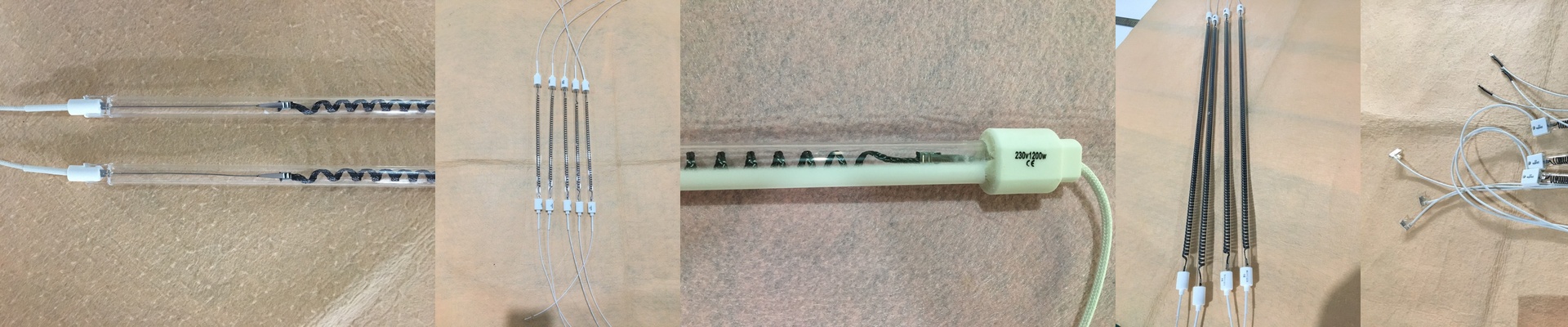
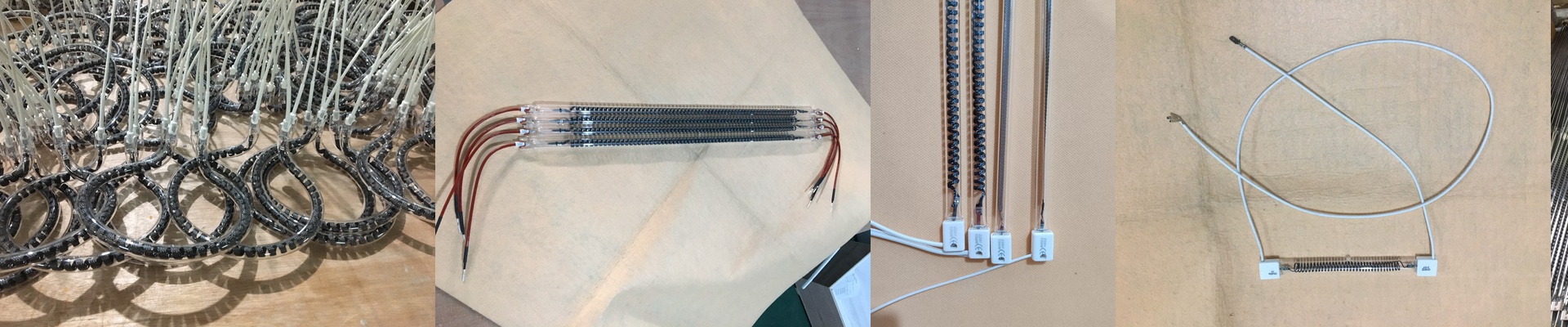
If you’ve ever dealt with standard quartz heaters burning out way too fast, you know the frustration. That’s exactly why we build carbon infrared lamps. We use a carbon-filament core to pump out high-intensity heat that can actually handle a heavy-duty industrial workload without giving up. The Nitty-Gritty on Power Here’s the thing: your wattage and voltage are what really drive the heat. Depending on whether you’re using 230V or 400V, your wiring needs to change. We usually suggest higher voltage for longer tubes. Why? Because it keeps the current draw down and stops your leads from overheating. If you’re running a 300mm or 500mm tube at high wattage, you’re dealing with a massive amount of heat density. Just a heads-up—make sure your control panels and contactors can handle that initial inrush of current. And please, check your cooling system. If it can’t handle the ambient heat rise, you’re just cutting your lamp’s life short. Build Quality and the “Small Stuff” We wrap that carbon filament in high-purity quartz. Some of our lamps even have a special coating. It’s a neat trick that shifts the emission spectrum so the heat hits your target, not your machine frame. For the connections, we stick with R7s or Sk15. They’re simple, secure, and usually drop right into most OEM setups. But be careful here. A loose connector is a nightmare. It creates a hot spot that will melt your socket and kill the lamp.Make sure it’s tight. Real-World Use (and the Trade-offs) You’ll see these all over the place for PET blowing and plastic curing. They’re great because they hit operating temperature way faster than ceramic heaters. It saves a lot of time. But there is a catch. They’re fragile. The carbon filaments are tough when it comes to heat, but the quartz glass is brittle. One bad bump or a few greasy fingerprints on the glass can cause a localized hot spot. Once that happens, the tube cracks. Keep the glass clean. It’s the easiest way to make sure your gear lasts.