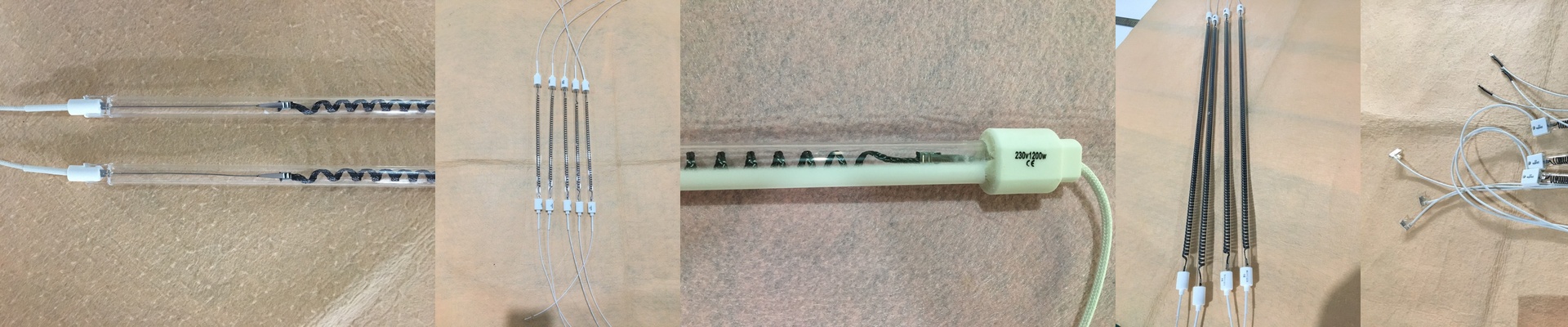
Stop Guessing When Your Heaters Will Quit
In electronics manufacturing, just cranking up the heat isn’t enough anymore. We’ve all been there—everything is running smooth, and then suddenly, the line stops dead because a heating element gave up the ghost. It’s a nightmare. The fix? Systems that actually talk back to you. We’re talking about heating setups that can tell you they’re about to fail before they actually do.
Moving Past “Blind” Heating
Most old-school heaters are basically blind. You set the voltage, cross your fingers, and hope the element doesn’t burn out mid-shift. It’s a gamble. The newer stuff is different. By tucking thermocouples and impedance monitoring right into the mix, the system keeps a constant eye on the filament’s health. It watches the resistance curve. If that resistance drifts even 5% off track, you get a heads-up. No more guessing. No more surprise shutdowns.
What You Actually Need Under the Hood
You can’t just slap this onto a basic relay and call it a day. The hardware has to change. You need controllers that can juggle high-voltage power while simultaneously reading delicate, low-voltage data. That means moving to a PID controller that actually understands what the diagnostic data is trying to say. Now, here’s the catch: more sensors mean more wires. And more wires mean more things that could potentially break. You have to be picky about your cabling. If you use the cheap stuff, it’ll melt or short out the second the system hits peak temp.Don’t cut corners here.
Why This Actually Matters for the Planet (and Your Wallet)
When a heater dies in the middle of a cycle, you don’t just lose a part. You usually have to scrap the entire batch of PCBs. That’s a lot of expensive waste. Predicting the end-of-life for these elements lets you swap them out during a scheduled break rather than in a panic at 3 AM. Plus, it’s way more efficient. Instead of blasting the system at max power all day, you only draw what you actually need based on the real thermal load. It’s a much smarter way to work—moving away from “fix it when it breaks” and toward “fix it before it breaks.”