Carbon Fiber Infrared Heat Lamps: Power, Design, and Industrial Application
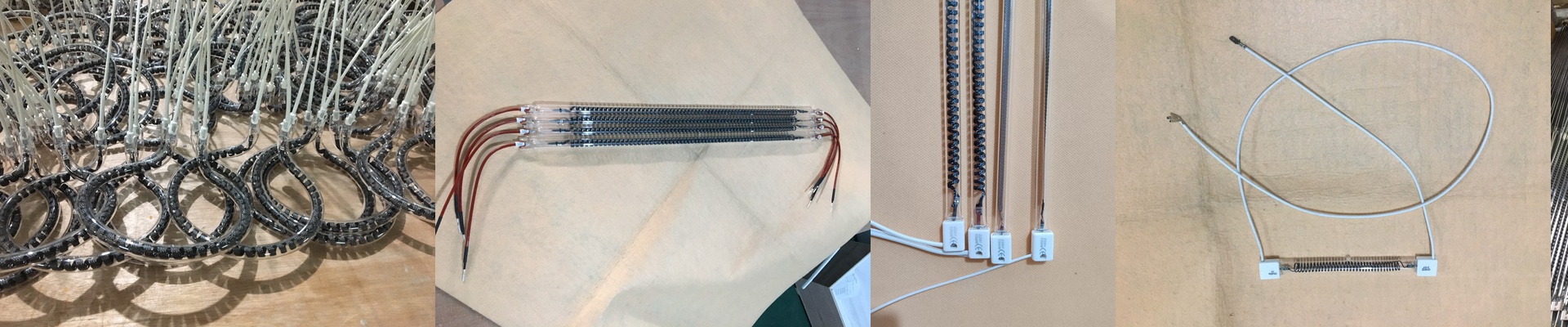
Let’s talk about carbon fiber infrared heat lamps. These are the kind of tools you bring in when the job demands heat—fast—and you can’t afford to waste time or energy. They’re built for industrial heating that needs a quick response and serious output. Instead of warming up the whole room, they send infrared energy straight to the target. The carbon fiber element is light, tough, and heats up almost instantly. That makes these lamps ideal for spot heating, curing, and drying processes where speed is the name of the game.
Power, Voltage, and Size: Matched to the Real World
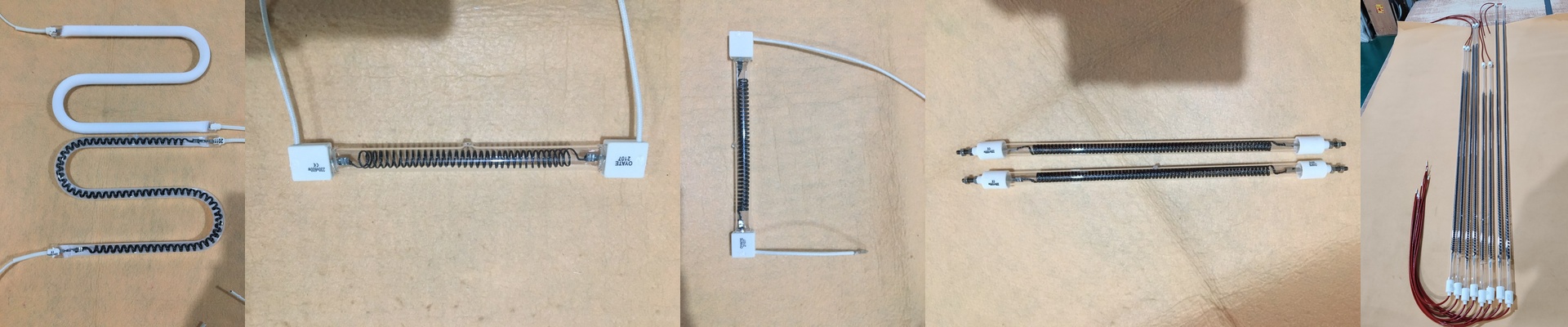
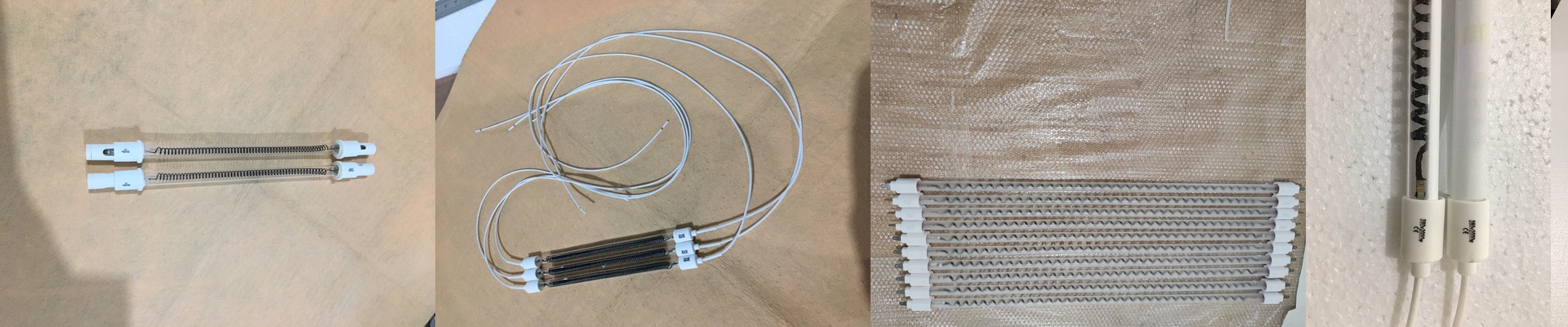
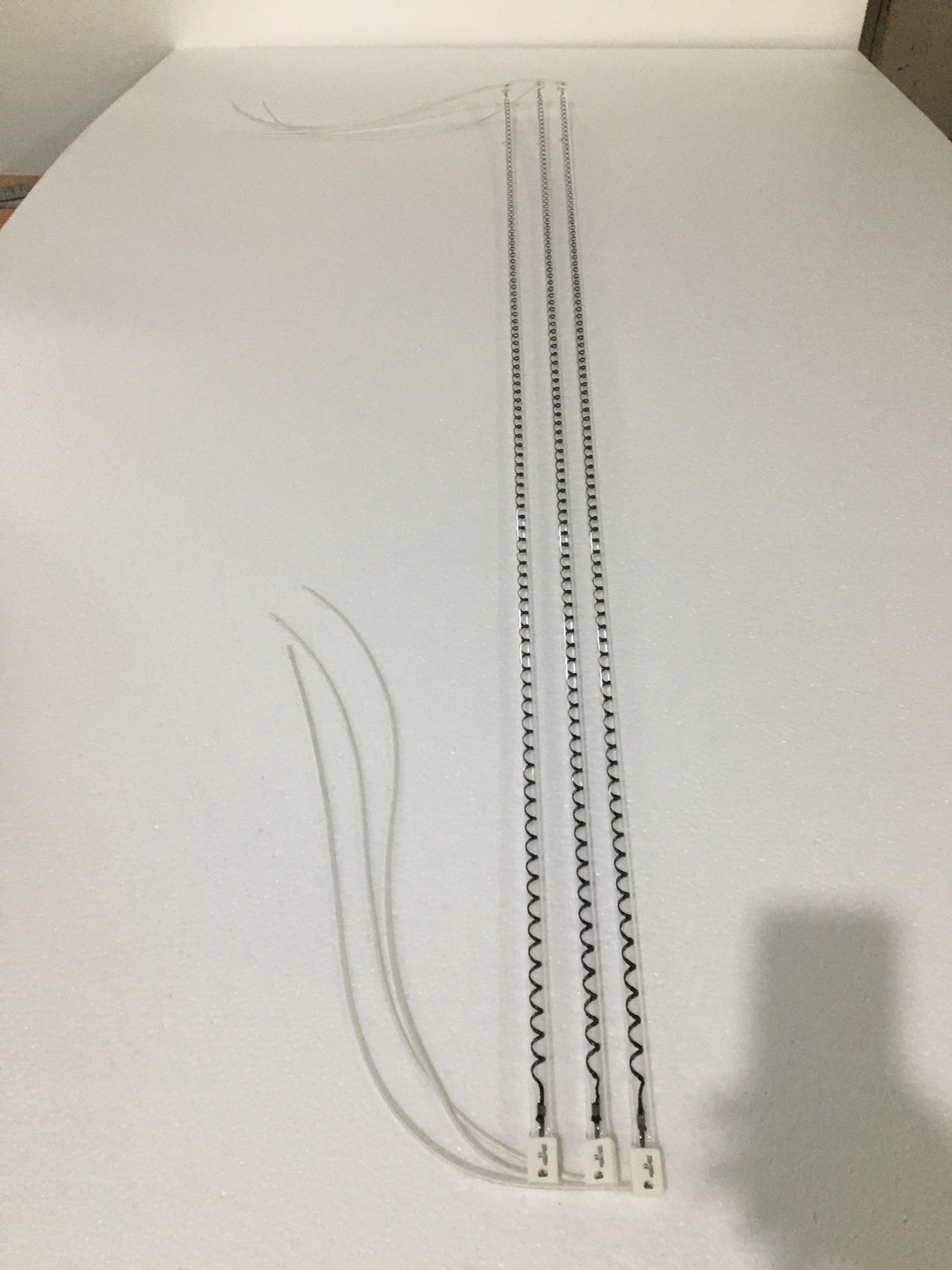
Here’s the thing—these lamps aren’t built in a vacuum. We size them to fit actual machines and the electrical setups you already have. A typical unit runs at 400V and delivers 2500W. That’s a lot of heat packed into a small footprint. The 300mm tube length focuses all that energy into a tight zone, so you get serious power without taking up extra space. It’s fast. Really fast. And that kind of punch means your control system and cooling need to be just as sharp. Match the load, and the lamp performs like it’s supposed to—no fuss, no guesswork.
Materials and Design: The Details That Keep It Running
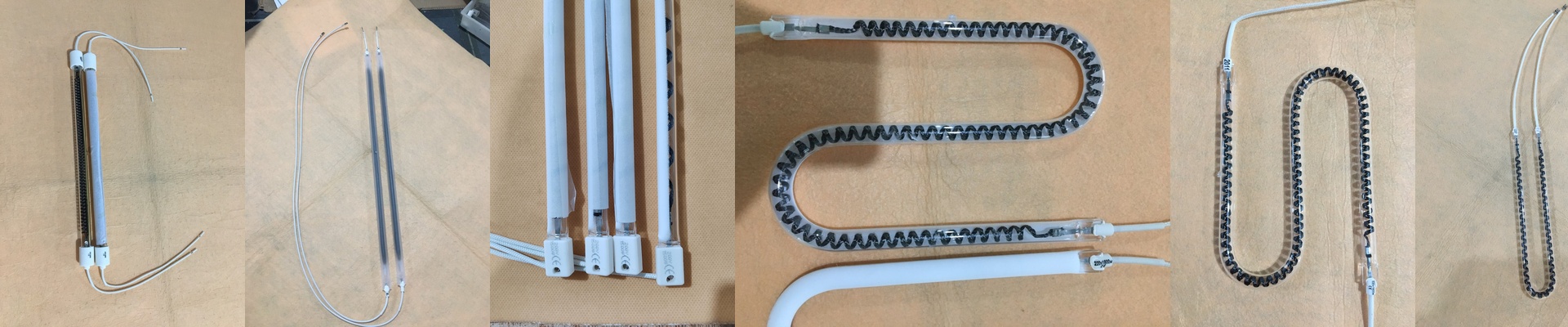
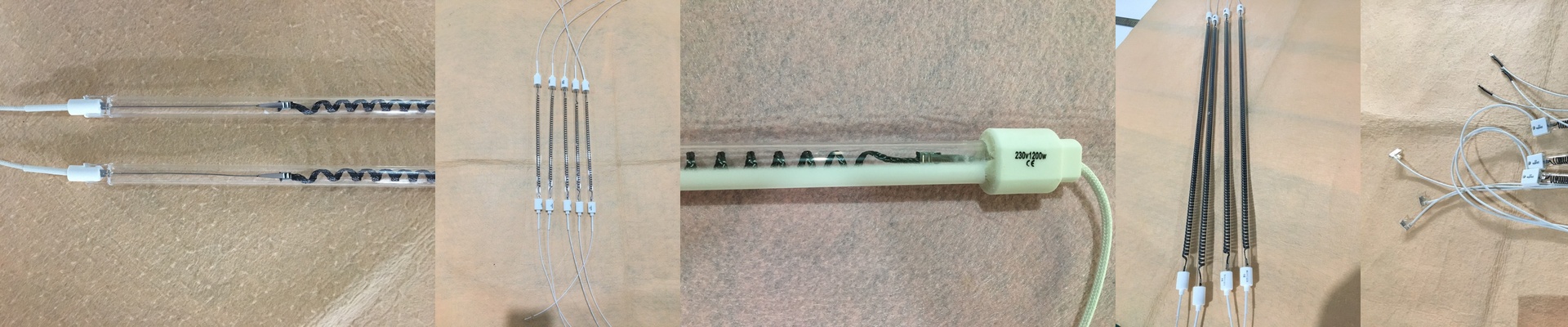
Inside, the carbon fiber element sits in a quartz tube. Quartz is chosen because it can handle sudden temperature swings without cracking, and it lets the infrared energy pass through cleanly. A halogen gas fill inside the tube protects the element from oxidation and keeps output steady over the life of the lamp. On the outside, a reflective coating pushes more infrared forward, so you get usable heat where you need it and less waste. And the R7s connector? It’s simple, sturdy, and designed for the floor. It handles the current, makes mounting easy, and lets you swap a lamp out quickly when you need to.
Where They Shine: Speed, Control, and Repeatability
Carbon fiber IR lamps are for processes where speed and consistency matter. They give you rapid, focused heating that you can control with precision. That kind of control helps you hit tighter thermal profiles in drying, curing, and assembly work. The quick warm-up and tight beam cut down cycle time, and the straightforward mechanical setup means integration is smooth and maintenance stays simple. Just keep in mind—this level of output needs proper ventilation and thermal management. Give it the space and cooling it needs, and everything around it stays safe and reliable.