Introduction
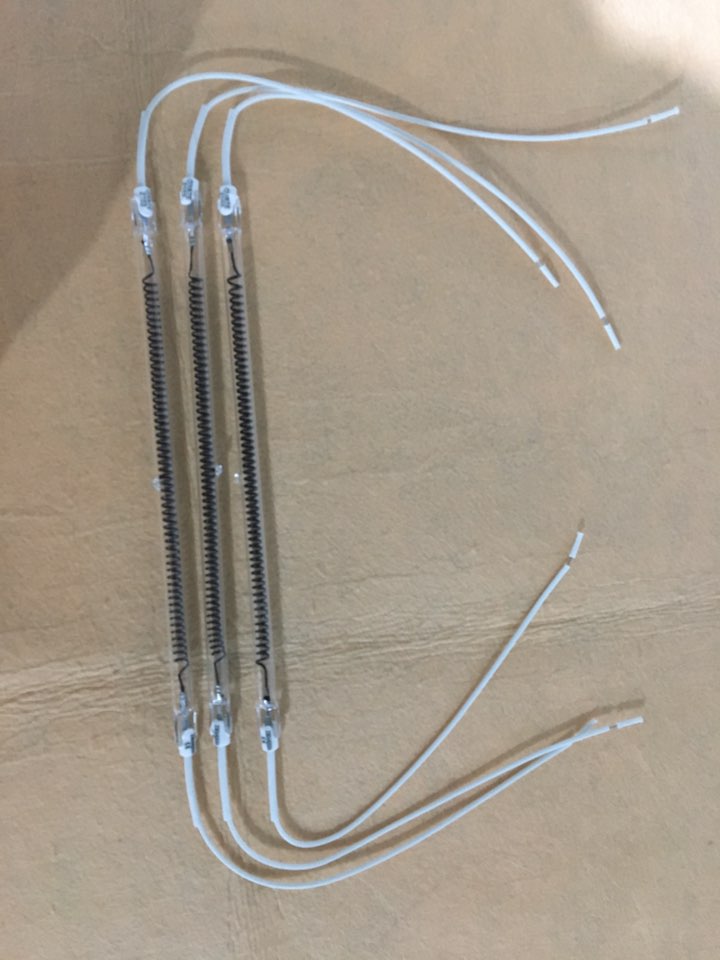
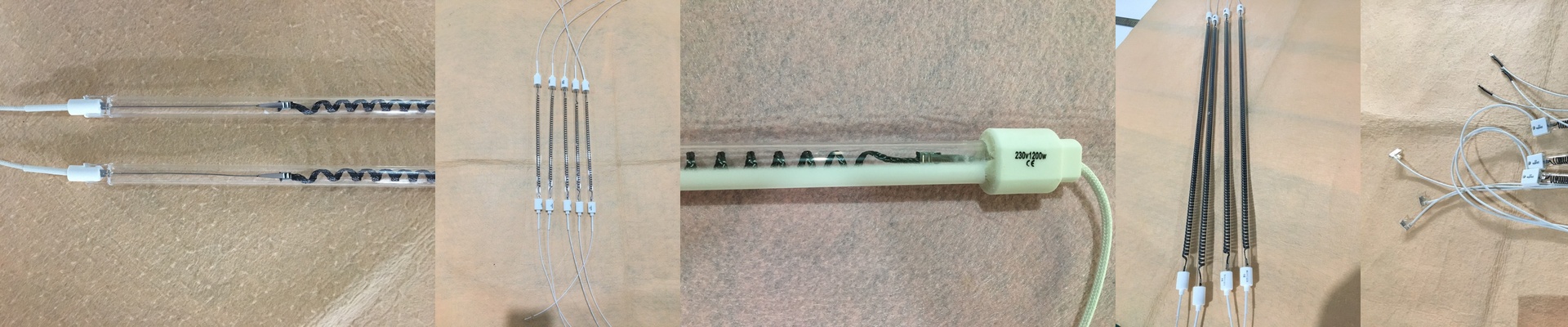
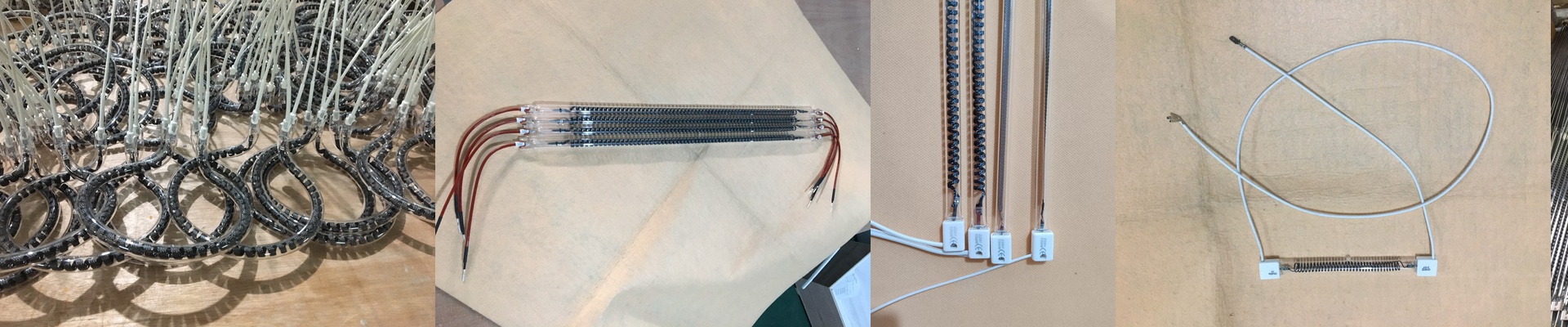
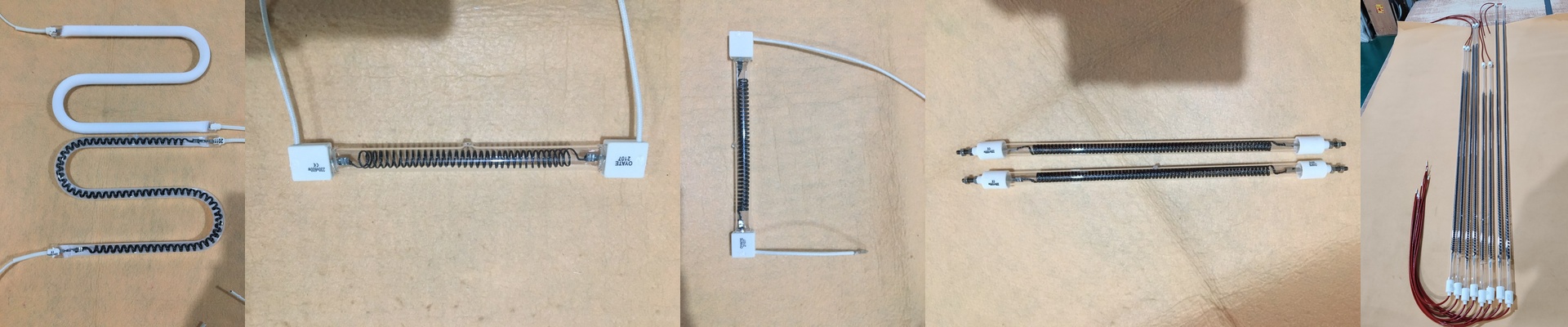
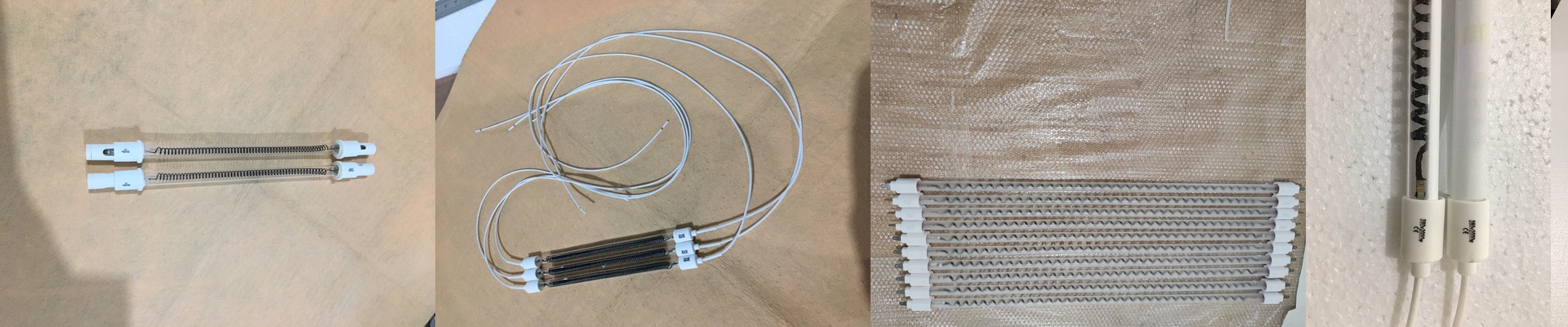
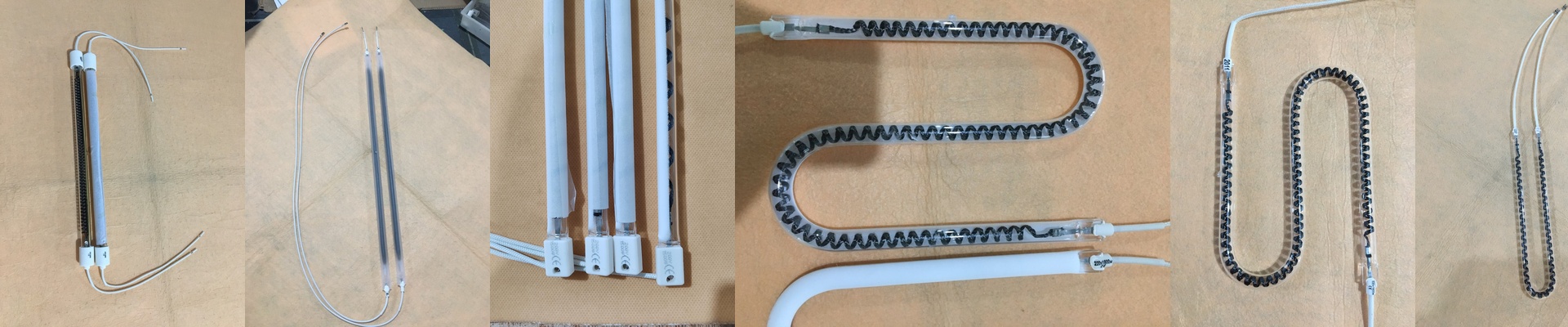
When we set out to build a heating lamp for curing carbon fiber, we kept one thing front and center: it has to get the job done fast, right where you need it, without taking up your whole workspace. So we built a quartz halogen lamp that delivers intense infrared heat exactly where the laminate needs it. It’s all about shortwave infrared, a lightning-fast response, and a footprint that actually fits into tight tool paths and automated setups.
The Details That Matter
Carbon fiber curing demands serious heat packed into a small space. That’s why these lamps run at 2500W and 400V. The higher voltage lets you run longer tubes without the current spiking. Less current means simpler wiring, easier contactors, and less voltage drop down the line. And the 300mm length? It’s the sweet spot. Long enough to cover the heating zone you need for pre-preg and tooled laminates, but short enough to slip into tight press zones and robotic scan heads.
Why We Chose Quartz
The tube is quartz for a reason. It can handle rapid heating and cooling without flinching, and it stays steady even when the filament is running hot. Inside, the halogen cycle does its thing, sending evaporated material back to the filament. That keeps the output consistent over the life of the lamp. And the shortwave infrared spectrum? It cuts straight through the resin and heats the carbon fiber directly. So you spend less time waiting for heat to move through thick tooling. The R7s connector is another no-brainer. It’s a workhorse in industry for a reason. Solid contact, it handles the weight of the tube, and swapping a lamp is quick. Wire it up, clamp it in, and it seats reliably every time.
What It Feels Like in the Shop
On the floor, carbon fiber curing comes down to repeatability and speed. A 2500W lamp on 400V hits operating temperature in seconds, so you can run faster ramp profiles without overshoot. The 300mm length focuses the energy where the part needs it, so you’re not wasting power heating big sections of the tool. Now, with that much power in such a small tube, you get serious heat density. So your machine or fixture needs proper cooling and clearance. Plan for airflow and a little thermal isolation around the lamp body. This setup is built to handle the heat, hold tight tolerances, and drop in cleanly—so you can run more cure cycles per shift, with fewer variables getting in your way.