Introduction
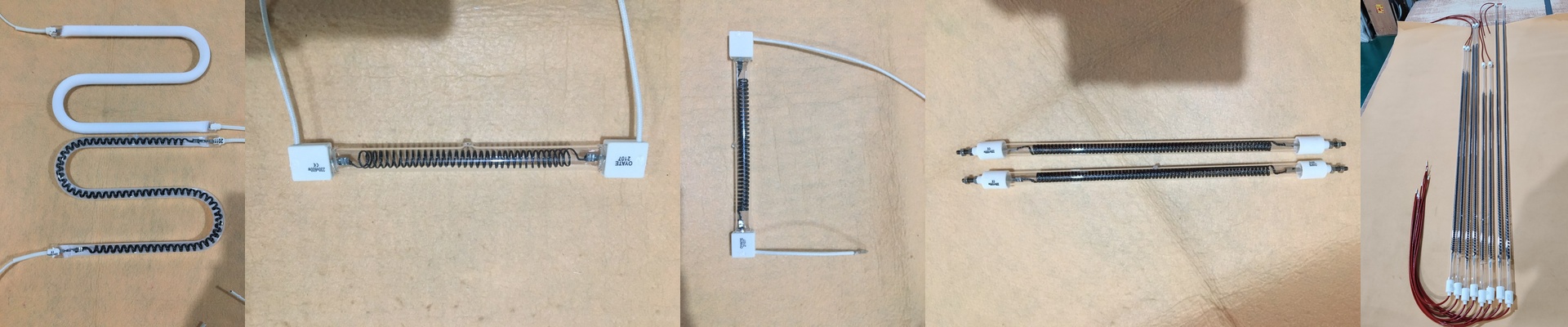
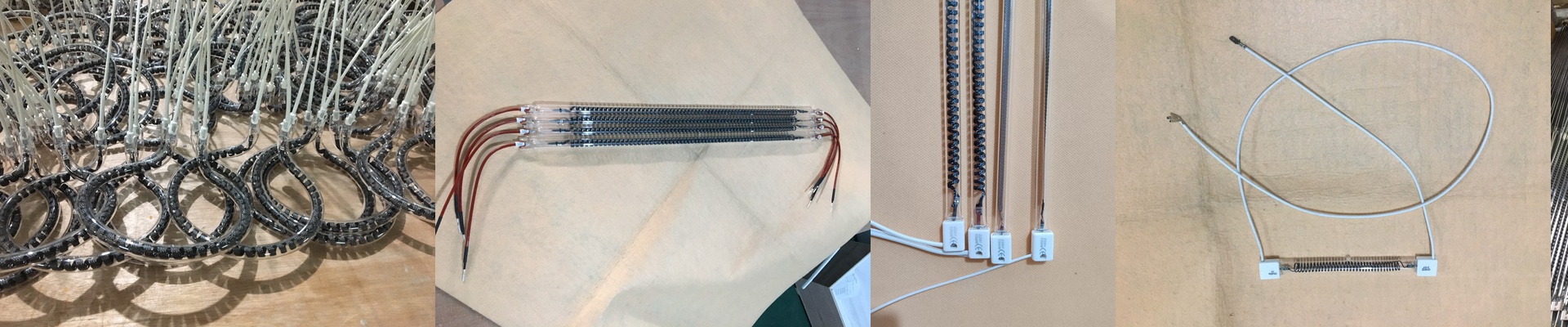
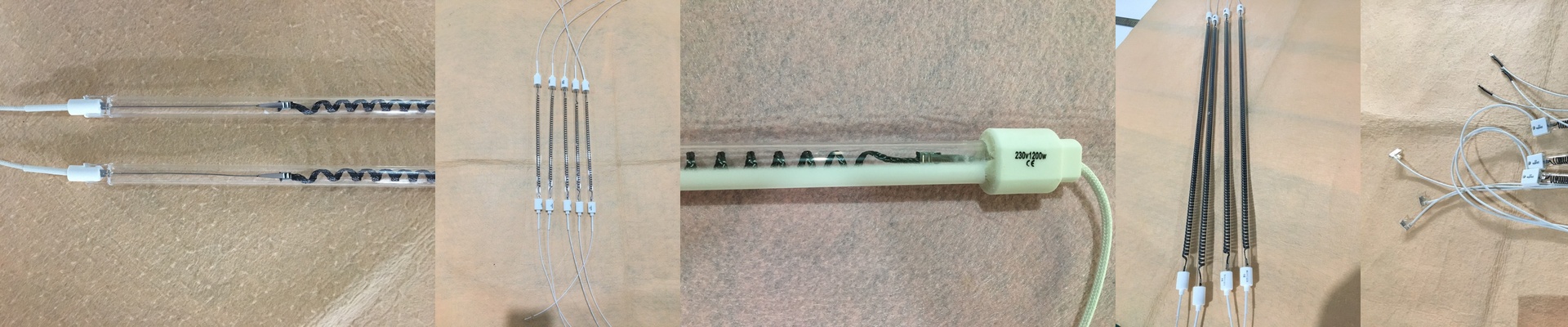
We built this 220V carbon fiber heat lamp for one place: the pig nursery. It’s all about giving piglets a warm spot they can actually count on. No fuss, no heating the whole room. Just direct, targeted infrared heat that can take the rough and tumble of a barn—hosing it down, getting bumped around, and still doing its job.
The Inside Story: Voltage, Power, and Space
Here’s the beauty of the 220V design: it plugs straight into the farm’s electrical system. No extra transformers. No special panels. You wire it up, and it just works—even when the farm voltage dips and spikes. The carbon fiber element packs a ton of heat into a small space. That means you can focus the warmth right where the piglets need it, under the lamp, without tripping breakers. It’s built to squeeze every bit of radiant heat out of each watt, so you get more warmth for the power you’re paying for. Just a heads-up, though. Packing that much heat into a small footprint means the fixture itself runs hot. So, you’ll want to make sure the mounting setup and wiring can handle the heat. It’s simple to check, but it’s worth your time.
What It’s Made Of: Carbon Fiber, Quartz, and the R7s Base
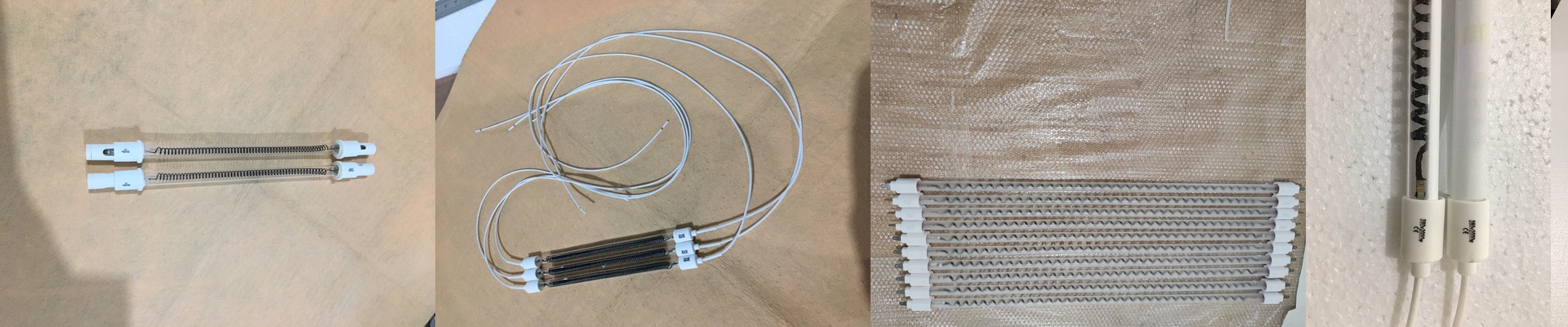
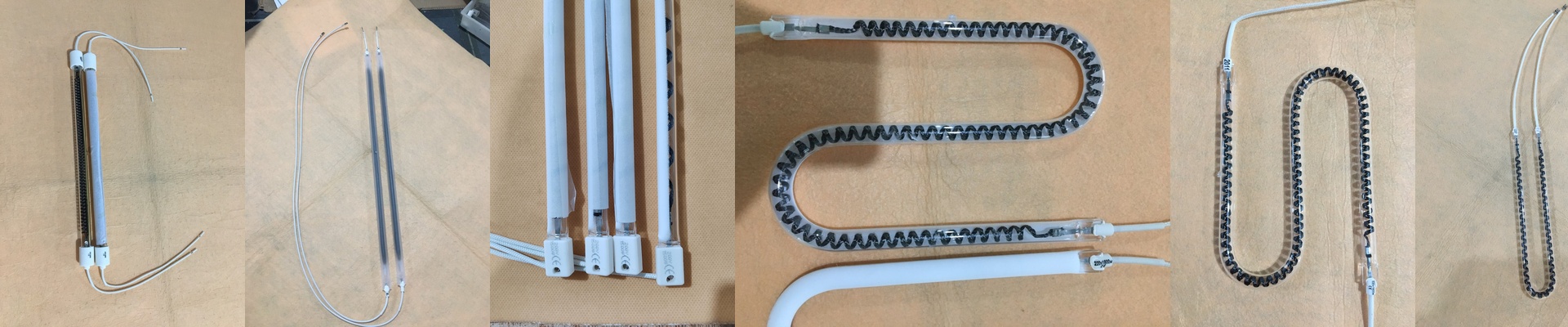
The carbon fiber element is protected inside a quartz envelope. Quartz is tough—it can handle the constant shock of turning on and off without cracking. It also lets that infrared heat pass through easily, so you’re not wasting energy. And that R7s base? It’s the workhorse of the design. A two-pin ceramic socket that stays cool under pressure and gives you a rock-solid connection. In a barn, you’ve got vibration, moisture, the whole nine yards. This base keeps the contact clean and makes swapping out a burnt lamp as simple as it should be.
Why It Works for Pigs
When you’re brooding piglets, you need heat right there on the floor. Infrared warmth hits the piglets directly, not the air above them. That’s a big deal. It means drafts don’t steal the heat, and you’re not wasting energy heating empty space. The carbon fiber element holds its heat steady, so the brooding zone stays consistent. The 220V wiring makes installation a breeze, and the tough quartz and R7s build can handle the daily washdowns and rough handling of livestock housing. Treat it like the solid piece of equipment it is. Keep your clearances, make sure your connections are tight, and match the fixture to the lamp. Do that, and you get that reliable warmth, day after day.