Introduction
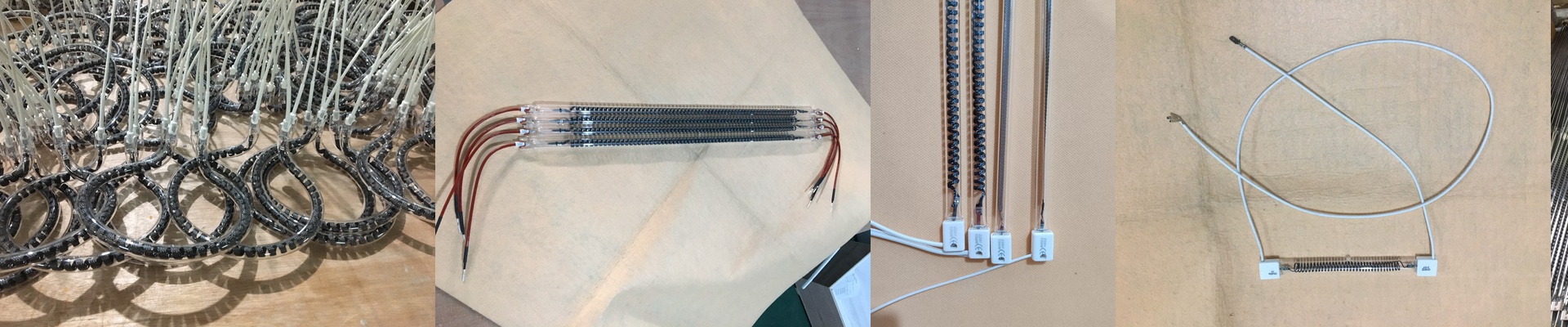
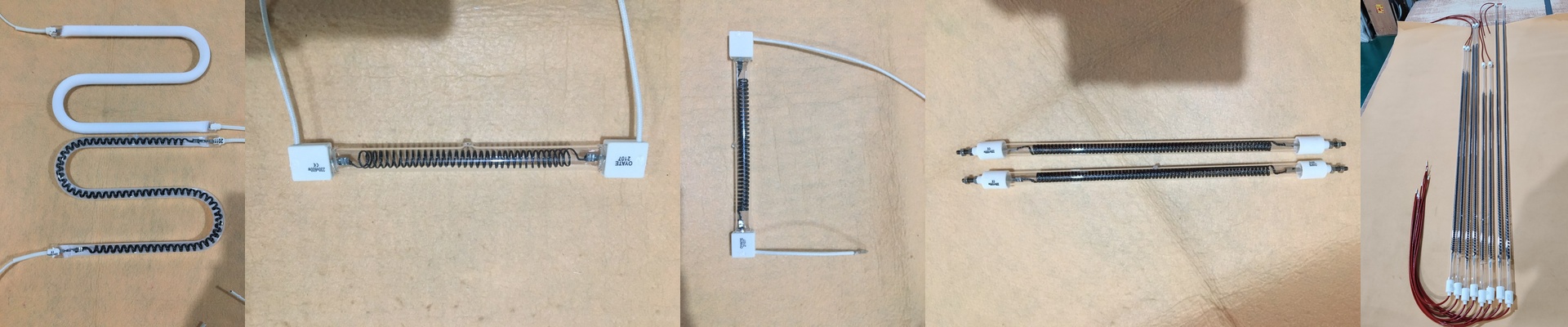
We build infrared carbon fiber heating panels for the industrial floor, not the showroom. These units are engineered for direct, high-intensity heat where you need it fast—on the machine, in the line, and under pressure. The core of the design is a halogen-filled quartz tube housing a carbon fiber element, delivering a concentrated infrared spectrum that targets materials directly. If you are running a process that demands rapid temperature rise and tight thermal control, this is the tool you wire up to get the job done.
Technical Deep-Dive: Power, Voltage, and Dimensions
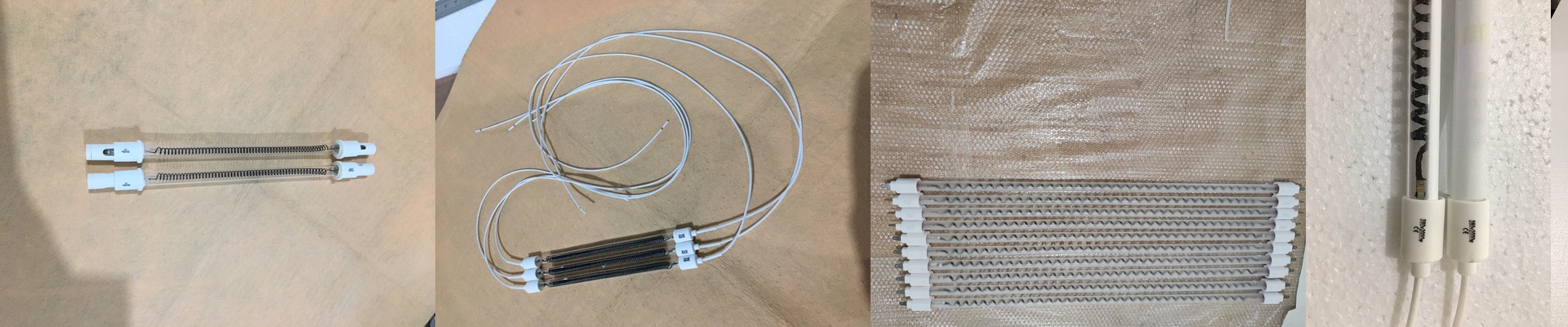
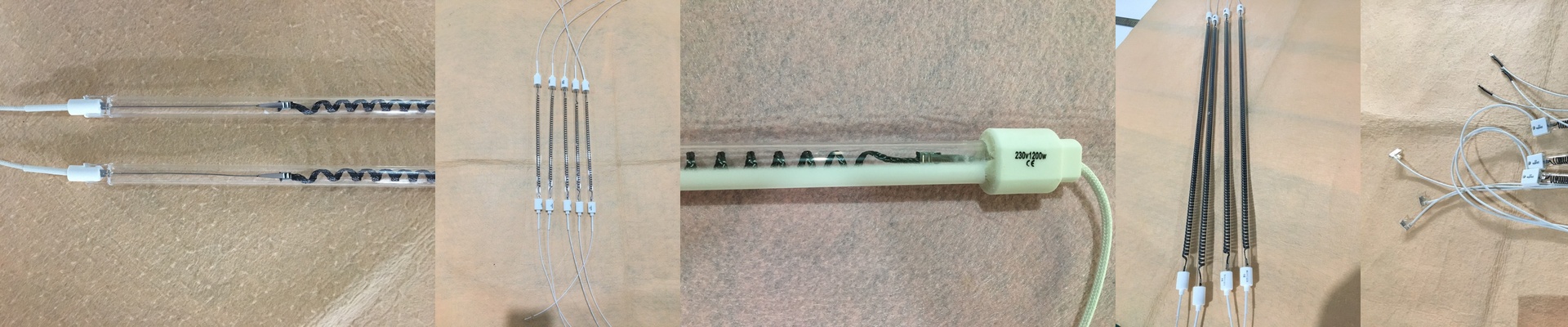
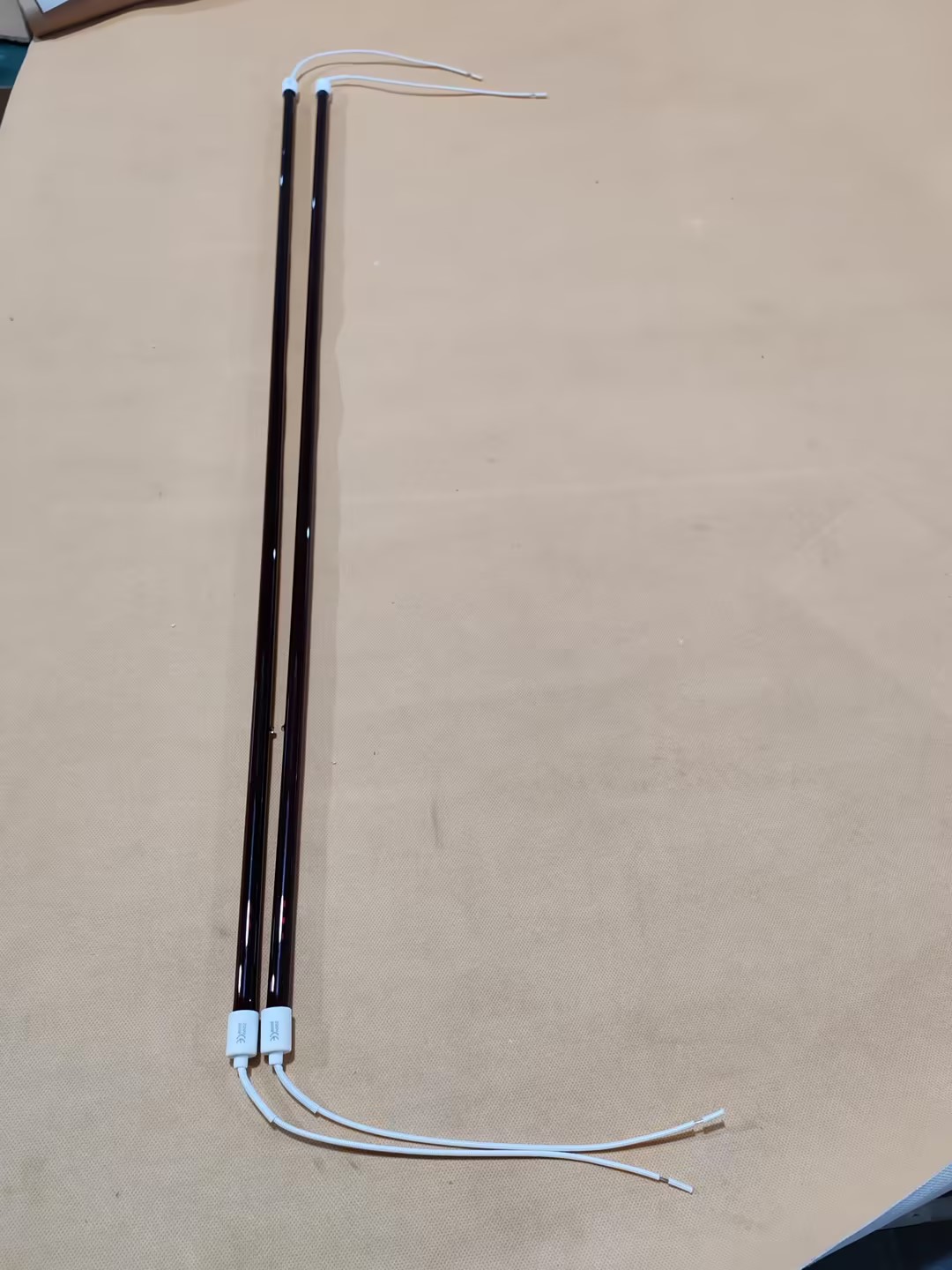
The specs on these panels are chosen to match industrial power systems and tight installation footprints. We offer units in standard voltage configurations, including 230V and 400V, so you can spec the heater to your existing electrical layout without rewiring the whole station. Power ratings run from 1000W to 2500W, depending on the tube length and the required heat density. Tube lengths are typically 300mm and 1000mm, giving you the flexibility to match the heated zone to the part geometry. A 400V, 2500W configuration in a compact 300mm length delivers serious heat output in a small footprint. That high power density is exactly what you need for fast-cycle heating, but it also means your machine’s cooling and ventilation must be sized accordingly. The 1000mm length spreads the same wattage over a larger area, which helps when you need even temperature distribution across a longer part or multiple points.
Material and Design: Halogen, Coating, and Connectors
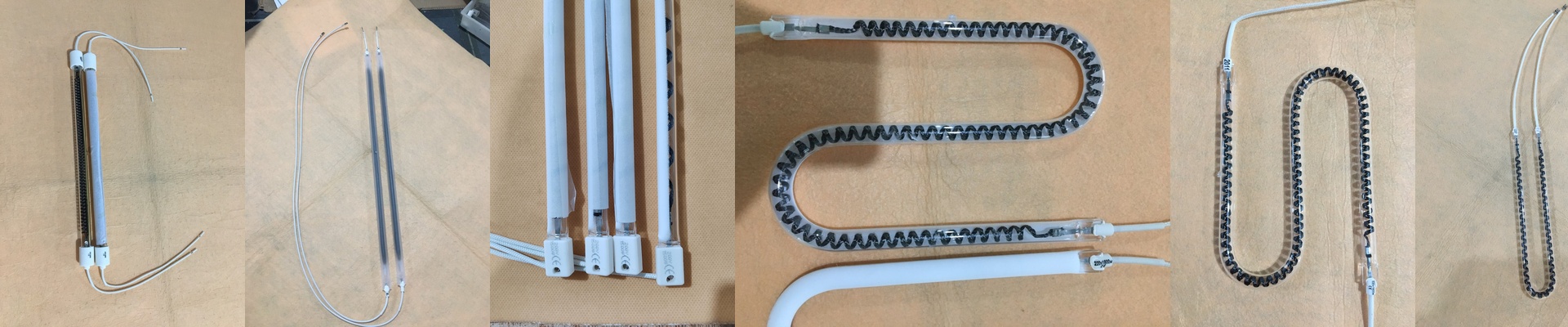
The carbon fiber element sits inside a quartz envelope, and we fill it with a halogen gas mixture. This design keeps the filament stable at high temperatures and suppresses the typical blackening you see in standard infrared lamps. The result is consistent output over time, so you do not have to compensate for falling heat as the unit ages. We apply a reflective coating on the back side of the tube to direct infrared energy forward, toward the target. This increases usable power at the work surface and reduces wasted heat into the surrounding frame. The coating also helps maintain a cooler rear side, which protects nearby components and wiring. For termination, we use R7s and Sk15 connectors. These are built for industrial environments. They handle high current, provide secure mechanical retention, and let you swap a lamp quickly without disassembling the whole fixture. The connector design also maintains stable contact resistance, which matters when you run at high wattage for long shifts.
Application and Benefits
These infrared carbon fiber panels are commonly used in plastics processing, including PET blowing, where you need rapid, localized heating to soften the preform without overheating the entire machine. They are equally effective for thermoforming, sealing, and adhesive activation, where speed and repeatability drive cycle time. The halogen-quartz system delivers fast response, allowing you to hit setpoint quickly and maintain it with stable control. The compact form factor lets you fit heat into tight spaces, and the coated tube keeps the energy directed where it counts. Trade-off: high heat density means you must manage ambient heat buildup. Plan for proper airflow and thermal shielding around the fixture. When you match the voltage, wattage, and length to your process, you get a reliable heat source that holds its output shift after shift, with the ability to drop in as a direct replacement when maintenance is due.