Introduction
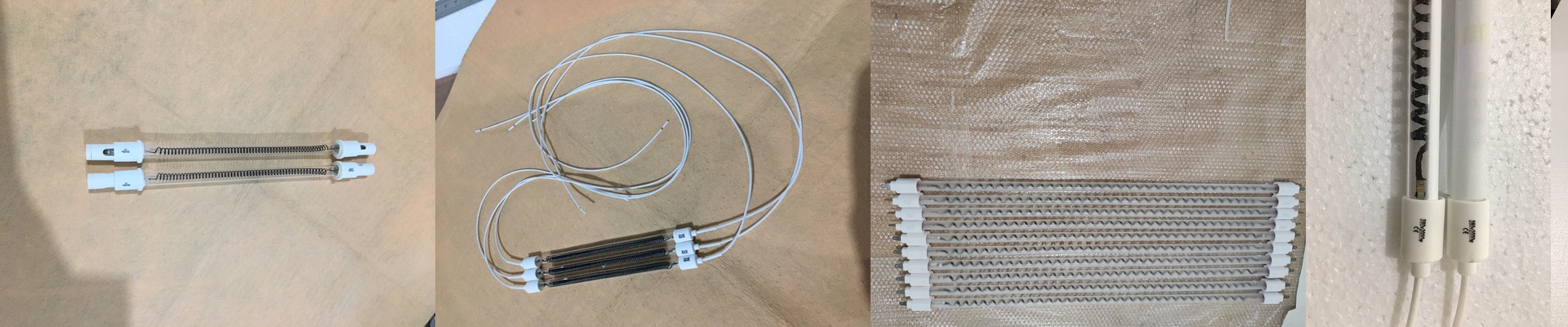
Picture this: you need intense heat, and you need it now. Not in five minutes. Now. That’s exactly why we built these infrared carbon heating tubes. They’re designed for industrial work that demands rapid, pinpointed heat. We’re talking about a halogen-filled quartz tube that blasts out high-intensity infrared radiation exactly where you need it, and it does it fast. These aren’t delicate components. They’re built to thrive in harsh environments, to handle constant on-off cycles, and to give you the kind of thermal control you can actually rely on.
Let’s Get Into the Details
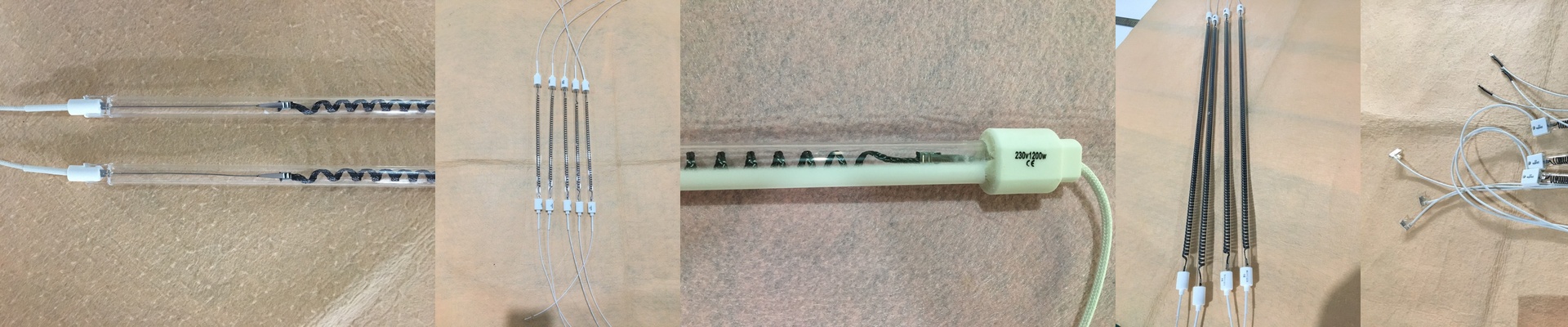
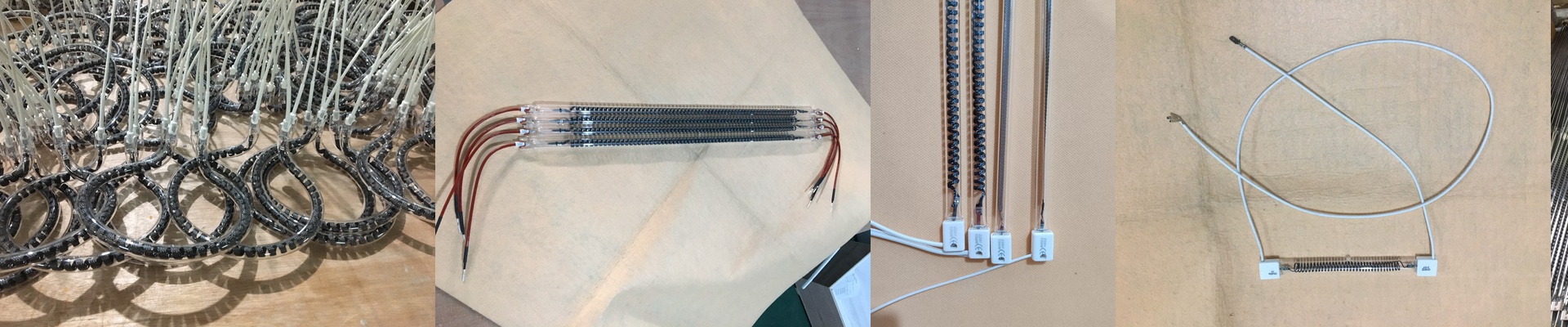
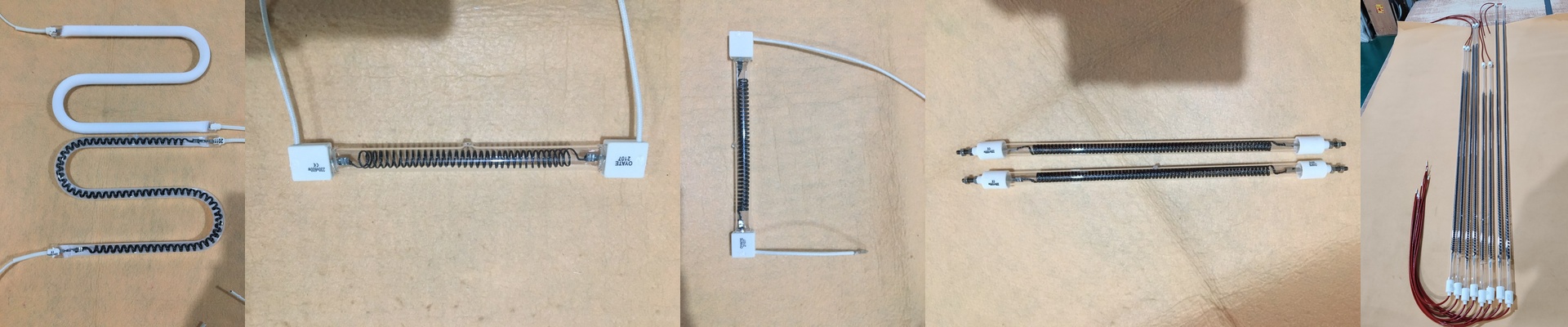
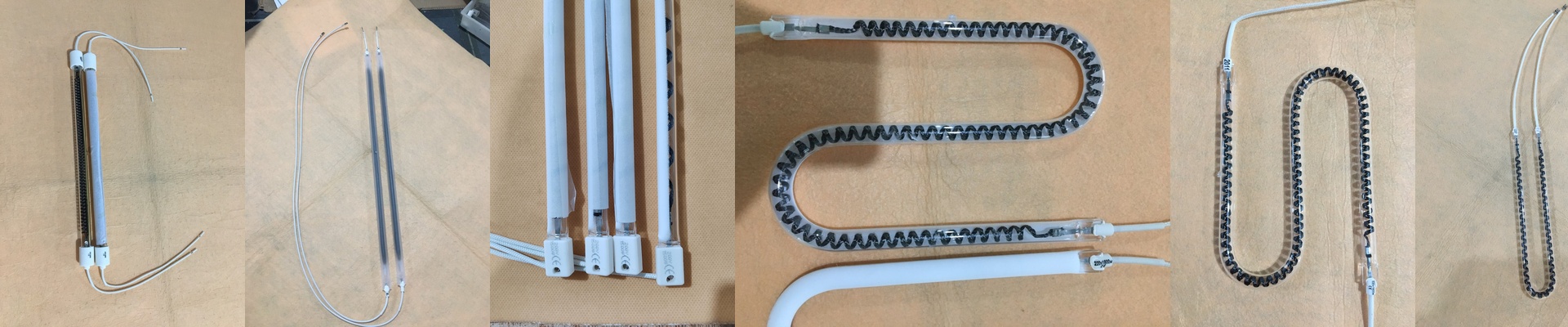
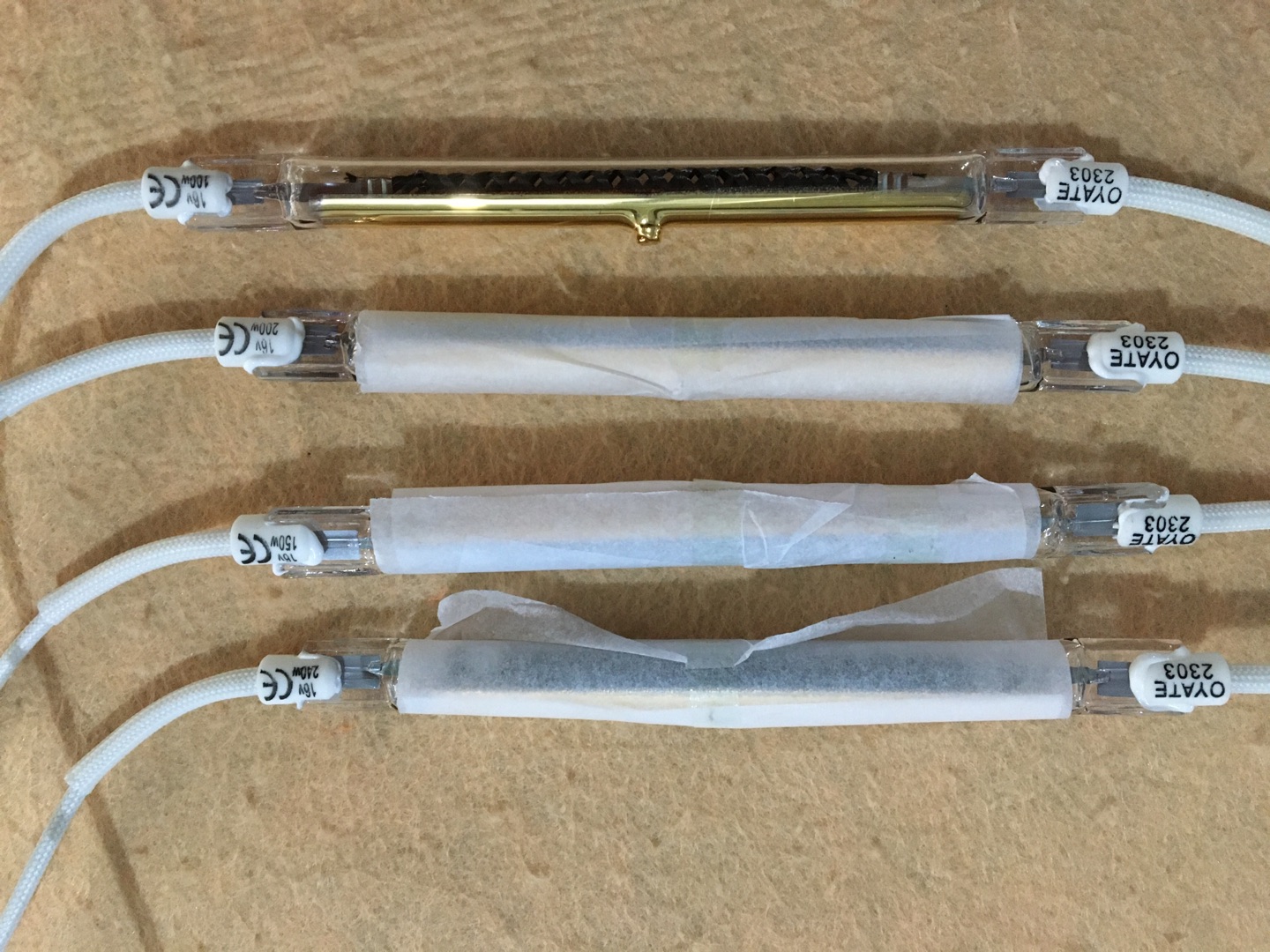
Here’s what makes them tick. At the heart of it all is the carbon filament, burning bright inside a halogen atmosphere. That atmosphere does two crucial things: it extends the life of the filament and keeps the heat output steady. These tubes are serious workhorses. We’re talking high voltage (400V) and serious wattage (2500W), all packed into a surprisingly small space. At 300mm long and just 10mm in diameter, they concentrate a ton of energy into a tight spot. The result? High heat density with a lightning-fast response time. Perfect for when your process can’t afford to wait around for the temperature to catch up.
The Design That Does the Job
We chose quartz for the outer envelope for a simple reason: it can handle the shock of rapid heating and stay rock-solid at scorching temperatures. And that halogen gas isn’t just there for show. It creates a cycle that prevents the filament from evaporating. This cuts down on the blackening you often see, which means the output stays consistent over time. No flickering, no fading. Just steady performance. The R7s connector is a straight-through, double-ended design. It makes mounting a breeze and means these tubes are a simple, drop-in replacement for many standard fixtures. Plus, the coating on the quartz is carefully chosen to tune the infrared spectrum, focusing the energy right where your process absorbs it best.
Where They Shine (And What to Expect)
You’ll find these tubes hard at work in drying, curing, thermoforming, and plastic processing. They’re the go-to when you need to heat a surface quickly and evenly. Because they pack so much power into a small space, they let you shrink your machine’s footprint. But with that kind of watt density comes responsibility. You’ll need to plan for it. Expect the area around the lamp to run hot. Plan your cooling and make sure you give it enough clearance. For the engineers out there, the payoff is clear: controllable, repeatable heat that starts up fast. You get fewer burnouts and an installation that’s straightforward, not a headache.