Carbon Halogen Quartz Tubes: Serious Heat in a Tiny Package
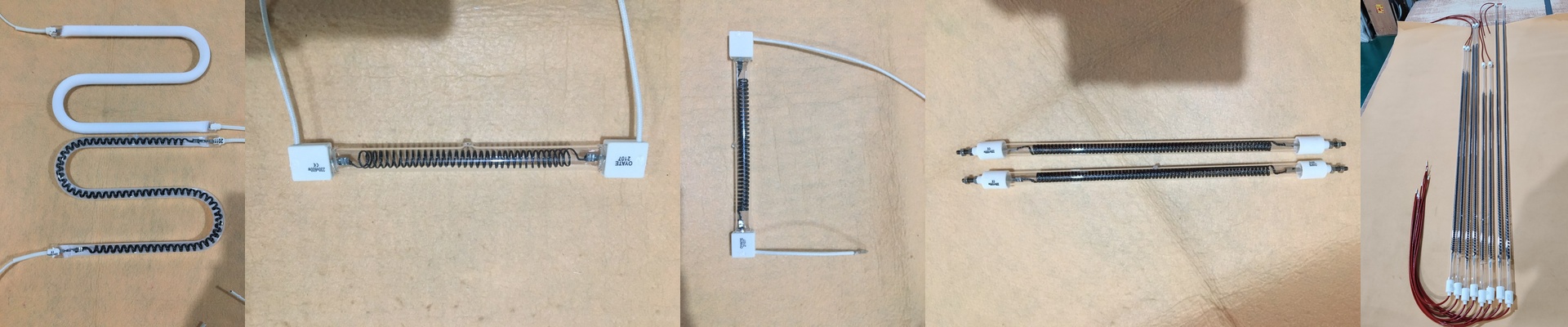
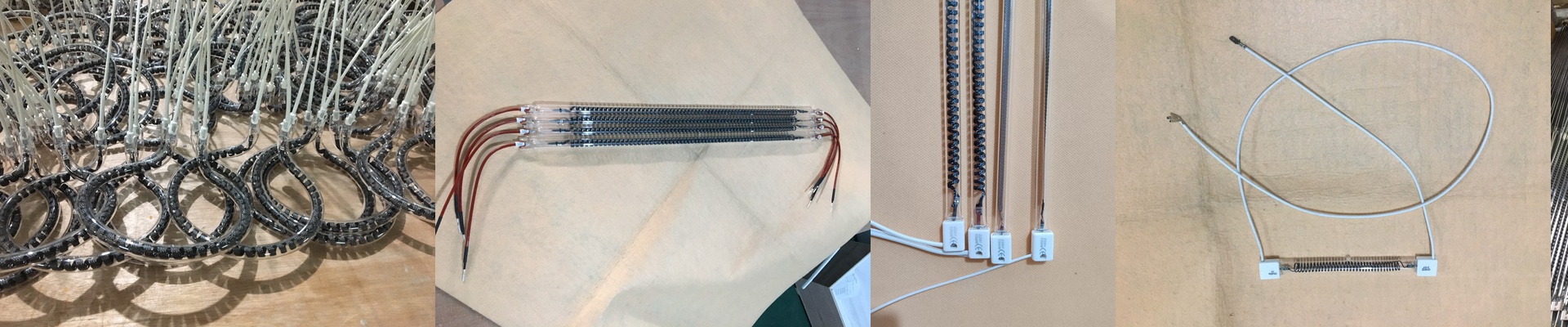
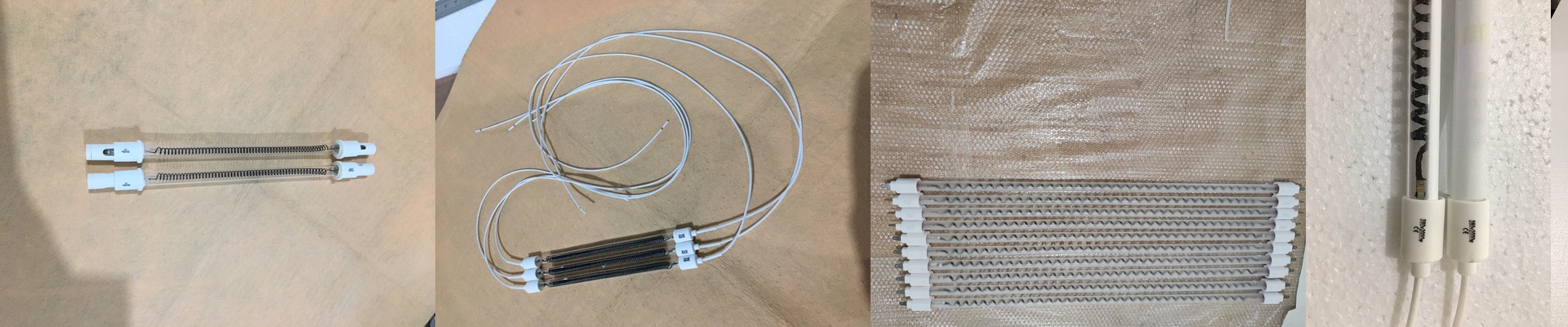
We make these carbon halogen quartz tubes for engineers who need a heat source that can be wired up and pushed to its limits. They’re built for one thing: delivering intense, focused infrared heat when you need it most—especially in tight spaces where you just can’t afford to compromise on power.
Power, Voltage, and Size—The Real Numbers
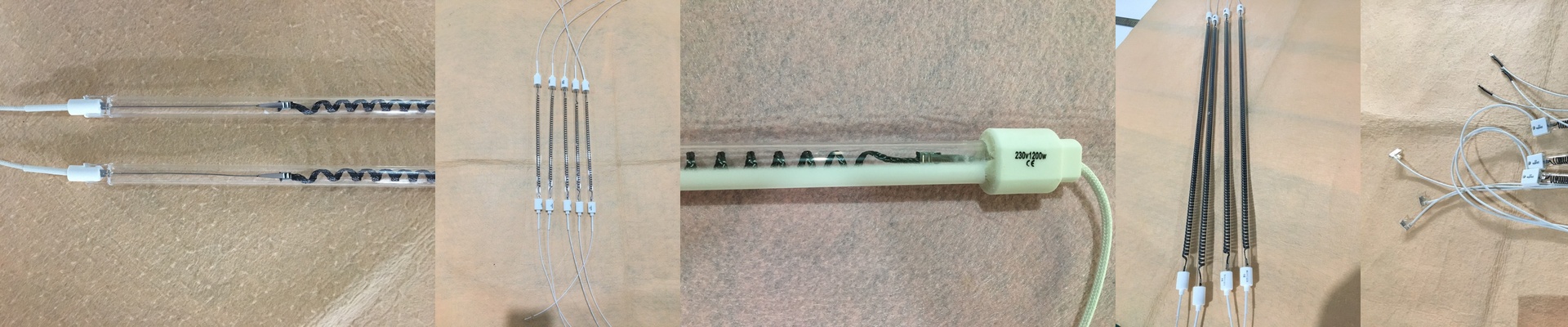
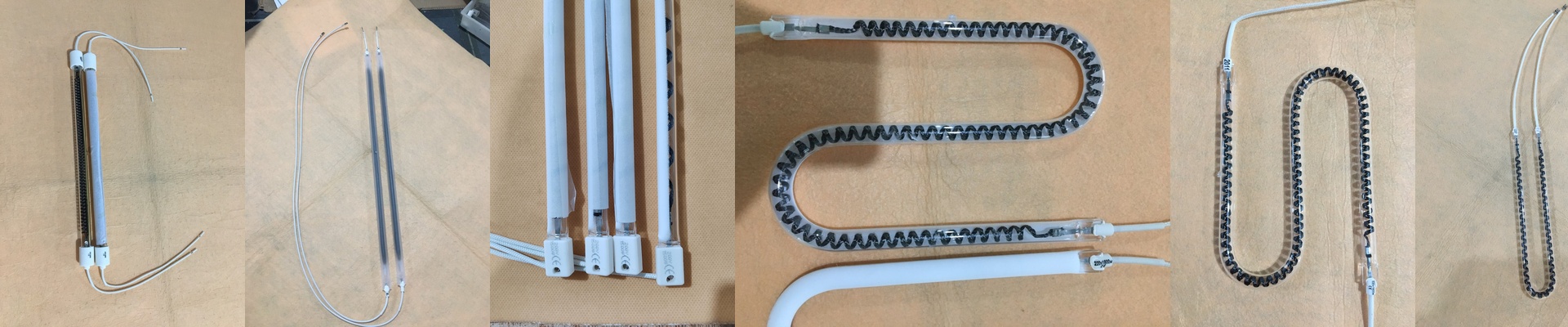
Let’s talk specs. A typical unit runs at 400V and hits 2500W. That voltage is chosen to plug straight into standard industrial power supplies, so you don’t have to overthink the setup. And that power density? It heats up fast. The tube itself is compact—around 300mm long—so it slips into tight heating zones without forcing you to redesign the whole machine. You get a serious amount of heat from a small footprint, but here’s the thing: that also means it draws a lot of current. So you’ve got to make sure your wiring and control gear are built to handle that kind of continuous load.
Why Quartz, Halogen, and That R7s Connector?
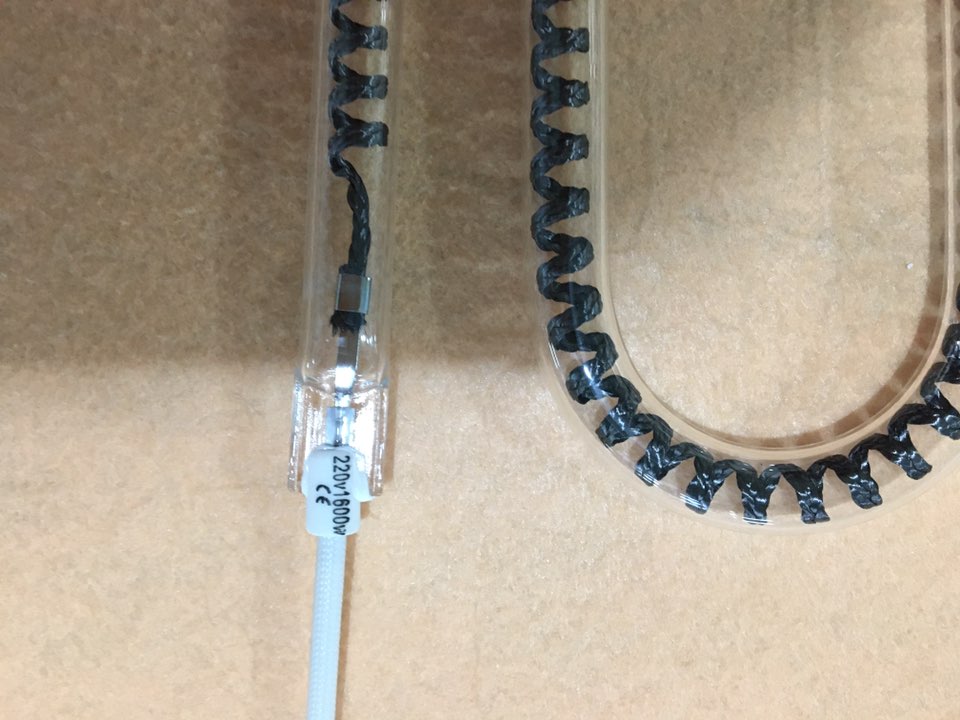
The tube is made of quartz because it can handle sudden temperature swings without cracking, and it lets infrared energy pass through cleanly. Inside, the carbon filament works with a halogen gas cycle to keep the element stable at high temps and prevent it from darkening over time. That means consistent output throughout the life of the lamp. And the R7s connector? It’s a straight, two-pin design that snaps in securely. No extra hardware. Just a solid electrical connection that can take the heat.
Where They Shine—and What to Watch For
You’ll find these tubes hard at work in PET blowing, plastic welding, and other processes that need heat fast and focused. The high wattage, small size, and reliable connection mean you can run cycles quicker and keep tighter control over temperature. But—there’s always a but—that kind of heat density packed into a short tube means surrounding parts get hot. So you’ll want to shield nearby components and make sure there’s proper airflow. Otherwise, the electronics and mechanical bits around it can take a beating.