Technical Deep-Dive: Power, Voltage, and Geometry
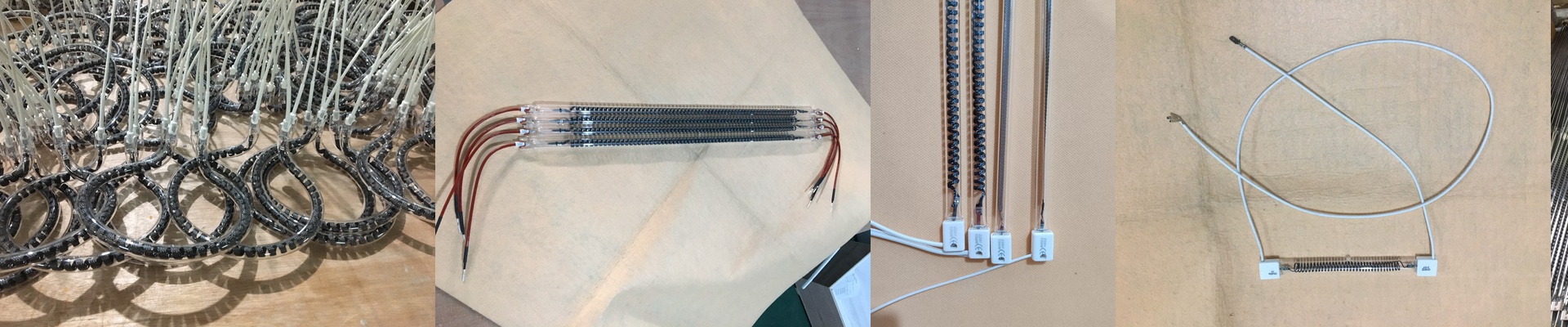
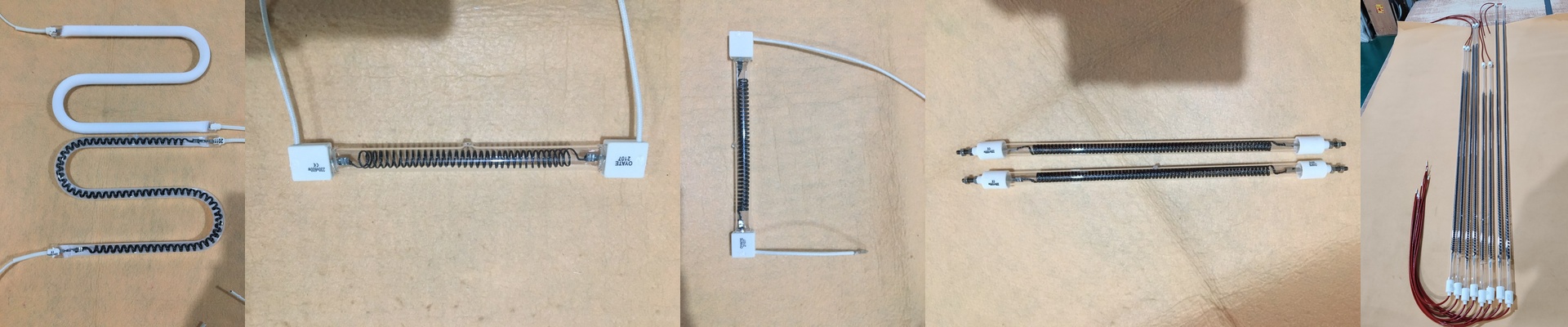
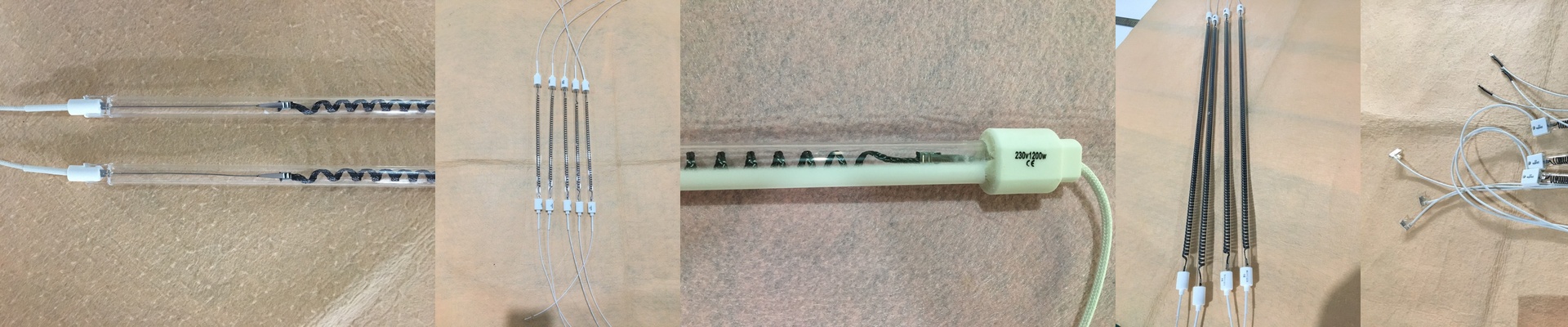
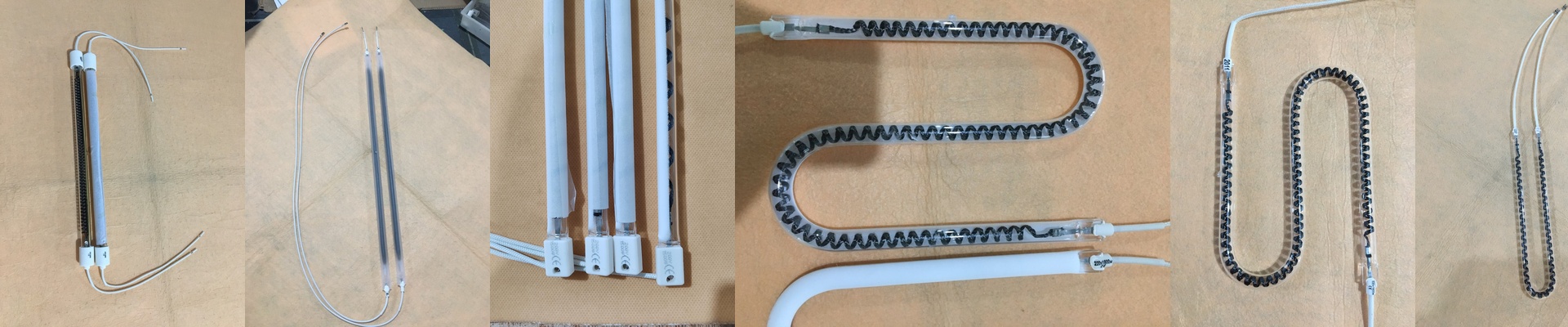
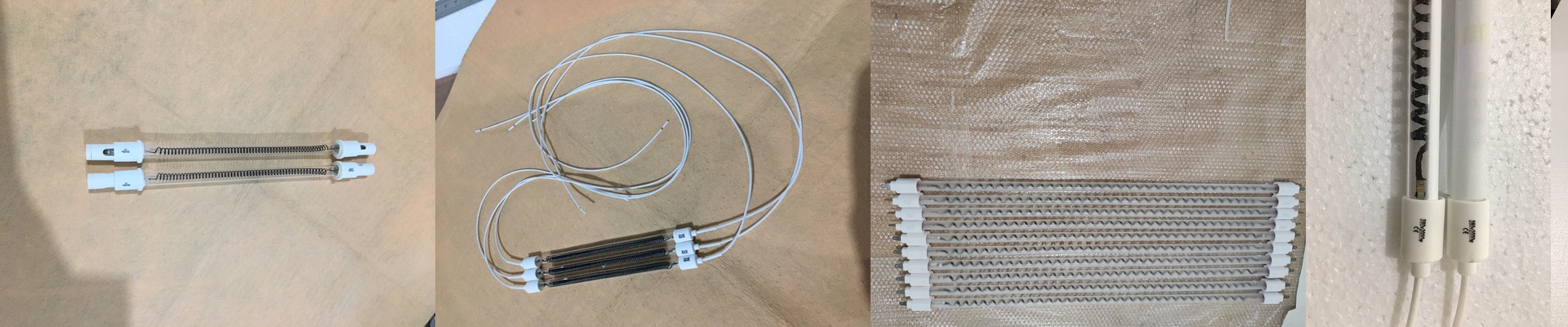
We chose a twin-tube carbon lamp for one simple reason: to cram serious infrared power into a small space. That twin-tube design? It doubles the radiating surface inside a compact body. So you get more heat right where you need it, without the machine getting bigger. And that 400V rating isn’t just a number. Running at higher voltage drops the current for the same wattage. That means you can use thinner, cheaper wiring, you get less voltage drop, and your contactor stays relaxed. Paired with 2500W of output, this lamp delivers heat fast. Fast response, high heat density.
Material and Design: Why It Holds Up
The quartz envelope takes the thermal shock and keeps the elements out. The carbon filament spreads the infrared spectrum wide, so it really gets into the material. Then there’s the halogen fill gas. It lets the filament run hotter and cleaner, and it helps extend the life by regenerating the filament material. We went with the R7s connector because it’s proven—a two-ended ceramic holder that locks the lamp in place, handles the heat, and makes replacement a snap. And the 300mm length? It’s a smart balance. Fits standard slots, keeps end losses low.
Application and Real-World Trade-Offs
On jobs like PET blowing and thermoforming, this lamp hits the mark fast. Cycle time drops. The focused output cuts energy waste and makes thermal zoning simpler. But here’s the trade-off, straight up. High power density means you need proper cooling. Plan for enough airflow and shielding so the surrounding electronics don’t take the heat. This lamp is built to deliver hard heat, fast.