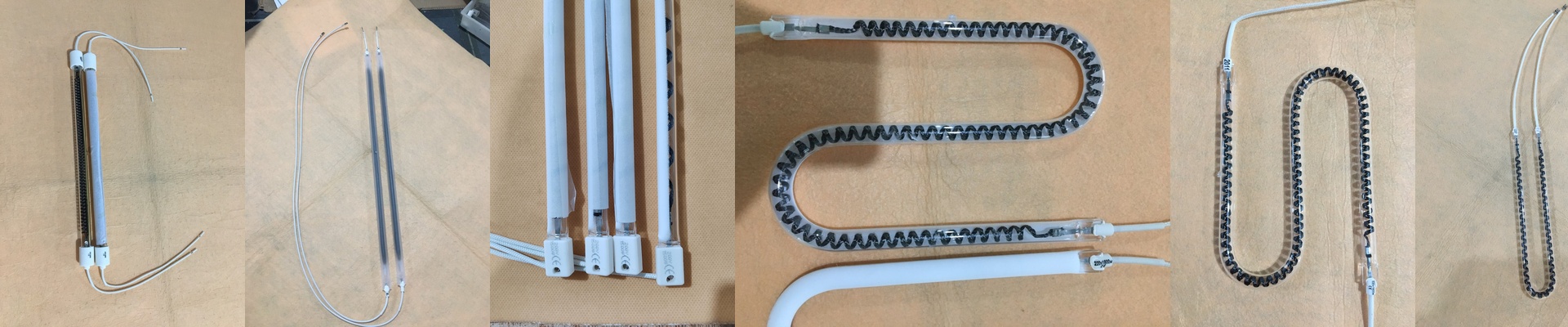
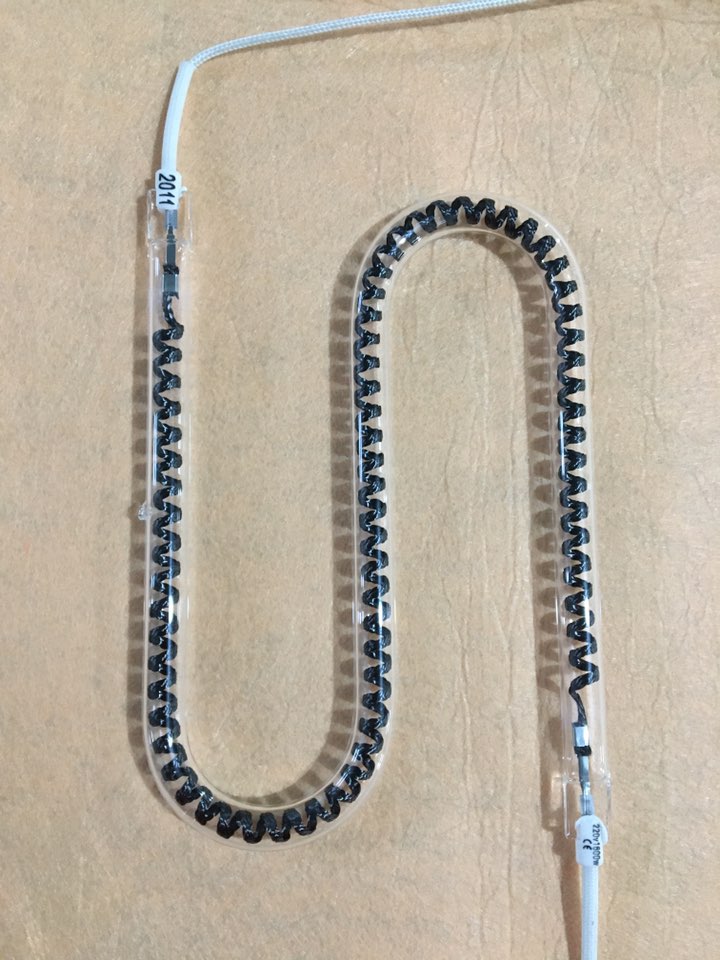
Let’s Talk Carbon Filament Infrared
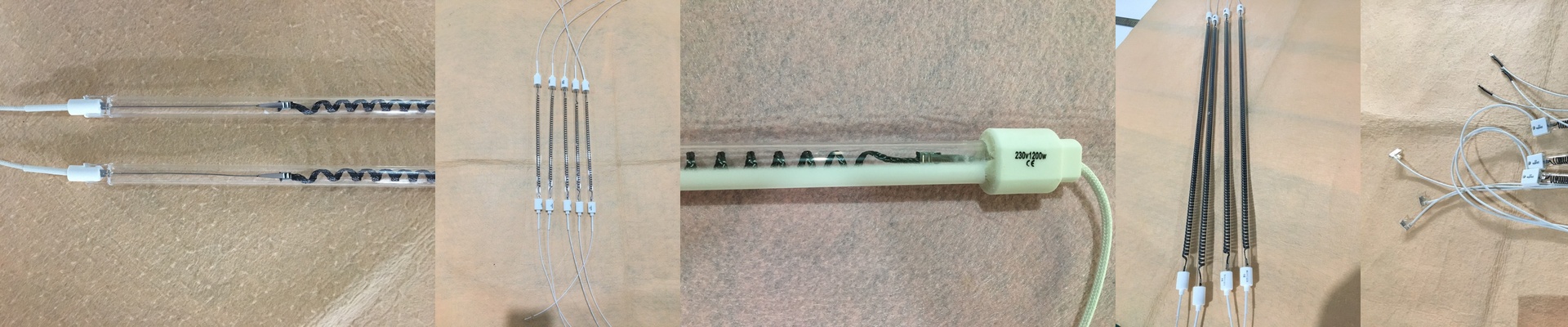
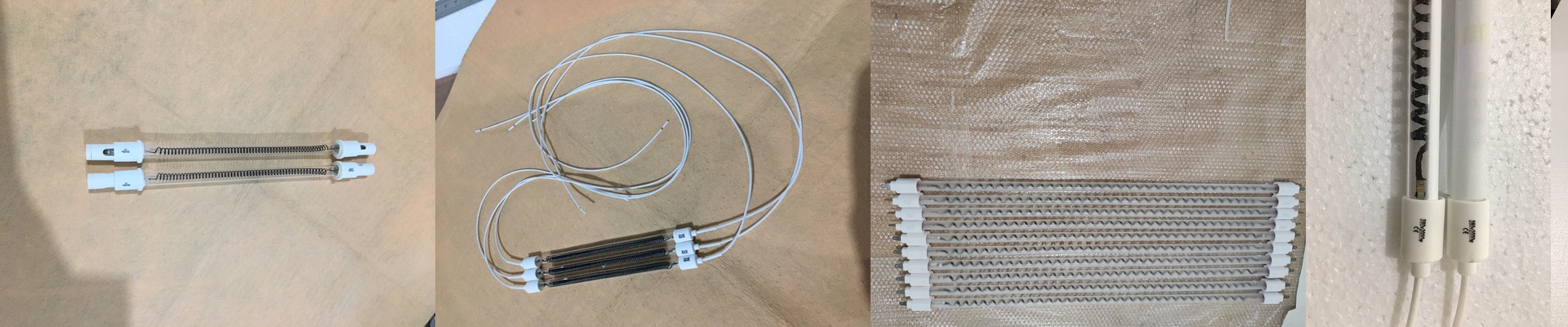
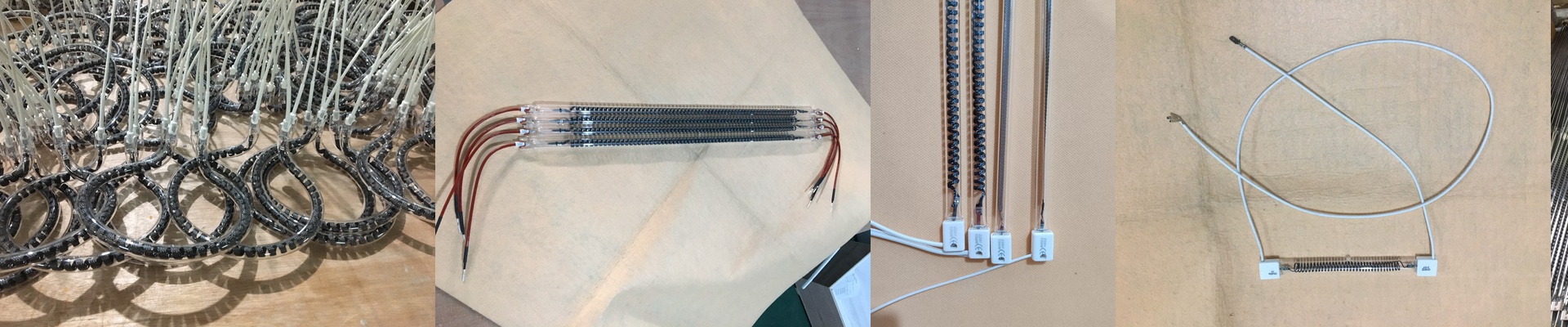
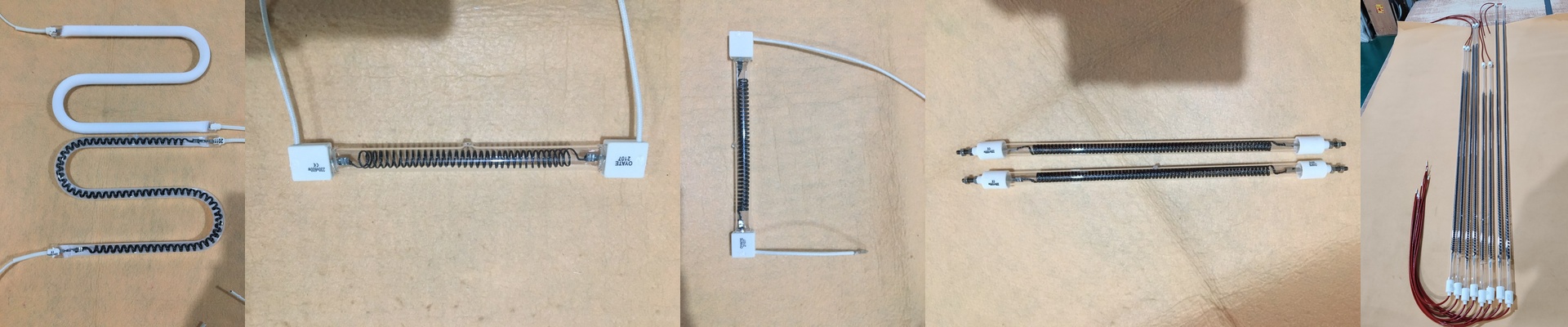
Here is the deal with carbon filament lamps: they work by running a current through a carbon rod tucked inside a quartz tube. Most people think of tungsten, but carbon is different. It doesn’t need to get nearly as hot to do its job, and it puts out a medium-to-long wave of infrared heat. This is huge because it doesn’t just scorch the surface of your material. It actually sinks in deep. If you need a “soaking” heat rather than a quick flash, this is your best bet. The nitty-gritty on power Your wattage and voltage basically decide how much heat you’re actually throwing at the part. We like using higher voltage because it lets us push more power through a longer tube without melting the leads. If you’re on a 400V system, the heat spreads out evenly. You won’t deal with those annoying “cold spots” you get with lower-voltage setups. But a word of warning:match your transformer output exactly. If you over-volt these things, you’ll burn through the filament in a few hours. Not a good look. What they’re made of We use high-purity quartz for the envelope. Why? Because it won’t warp or freak out when things get hot. Some of our lamps have a special coating that bounces the heat forward, focusing all that energy right where you need it on the workpiece. For the plugs, we stick to the classics—R7s or Sk15. They’re simple drop-in replacements for most industrial heaters. Plus, they create a tight electrical connection. You want that. Loose connections create hotspots, and that’s how you end up with a melted socket. Where they actually work (and where they don’t) You’ll see these in PET blowing, paint curing, or plastic welding. They’re great for keeping materials from warping because the heat is steady and deep. But here’s the catch. Carbon filaments take a bit longer to warm up than those shortwave halogen lamps. If your process requires an “instant-on” spike of heat, these aren’t for you. You’ll need to tweak your control system to account for that slight lag, otherwise, your first few parts might come out under-heated.