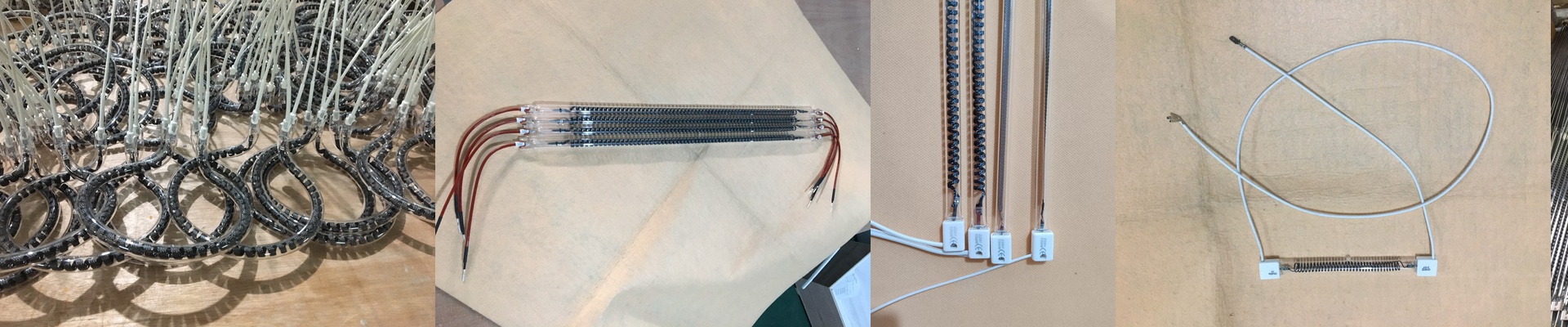
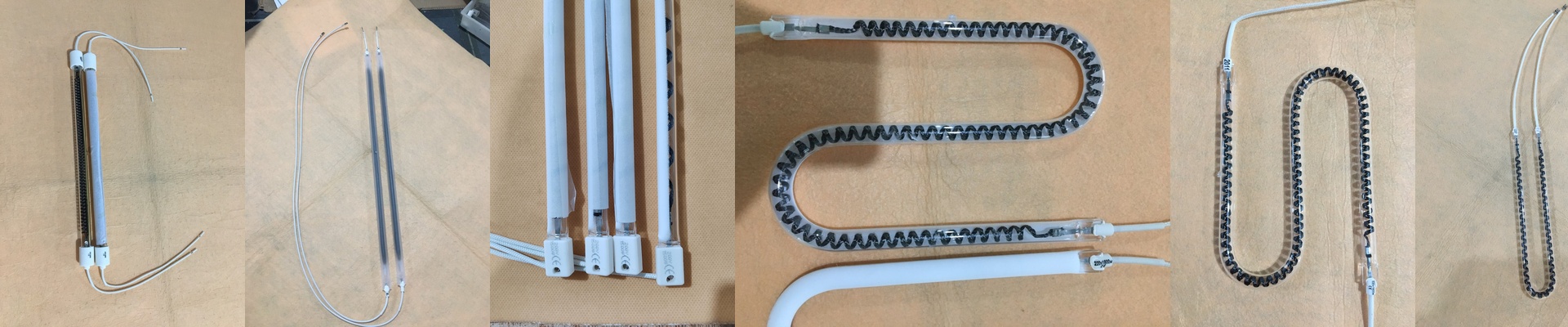
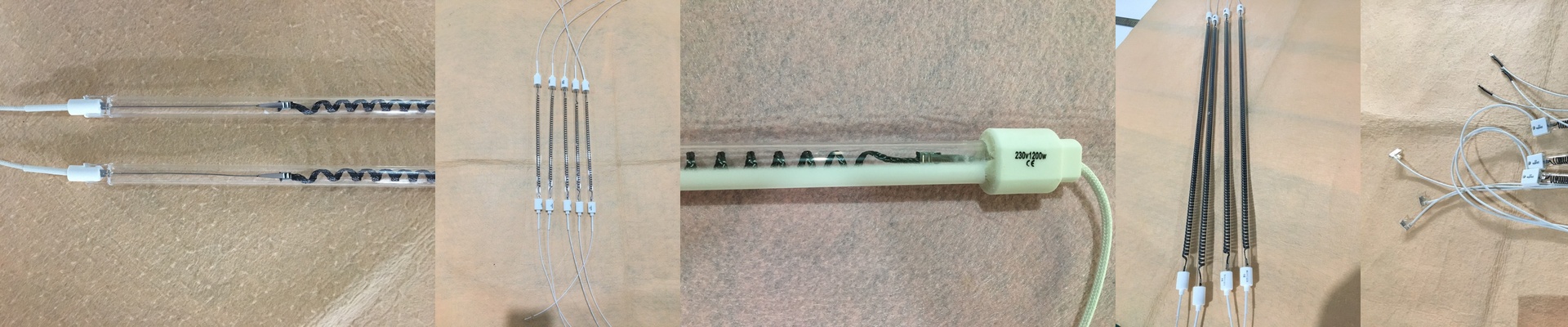
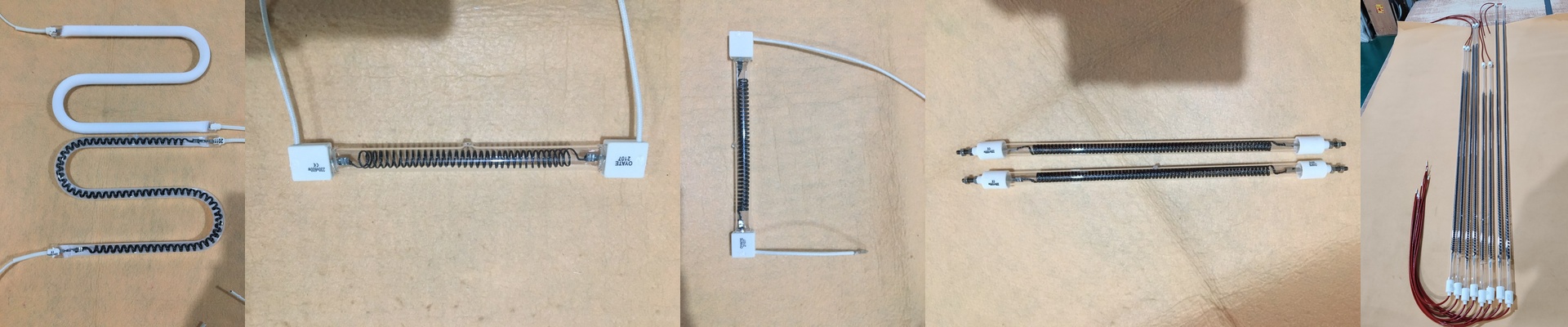
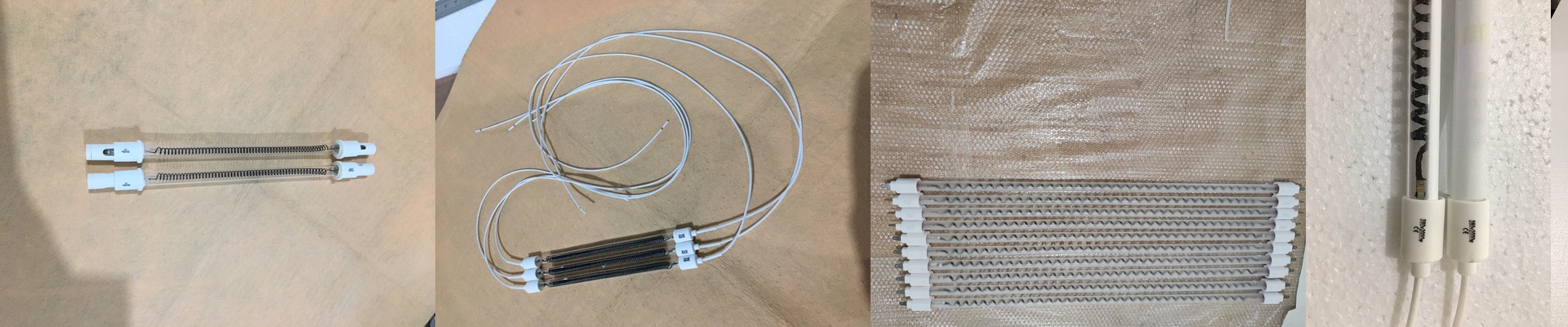
Let’s talk about Medium Wave Carbon Fiber Heaters
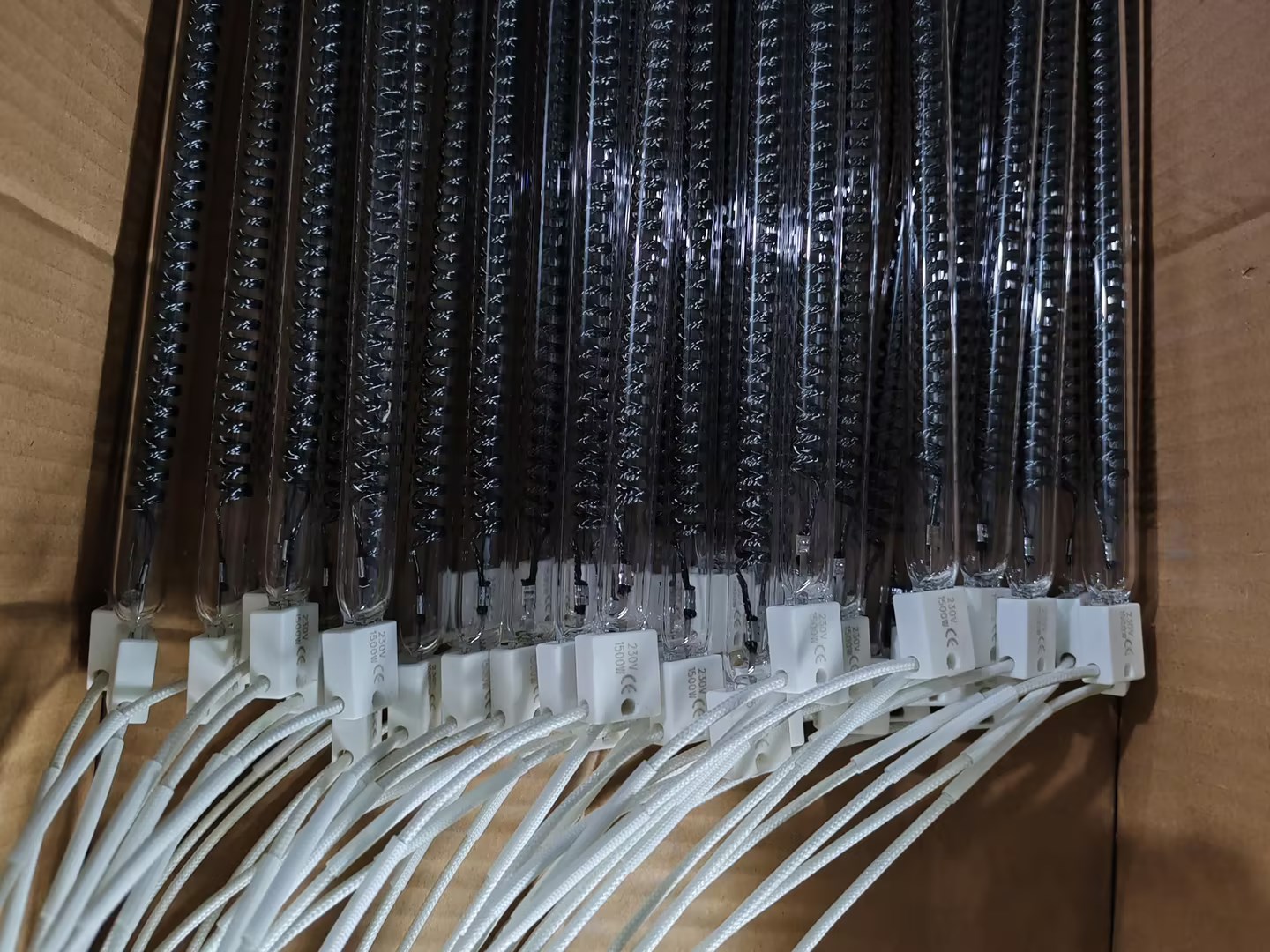
Ever feel like you’re stuck choosing between heat that’s too intense on the surface or heat that just doesn’t get deep enough? That’s exactly why we built our medium wave carbon fiber lamps. Most old-school heaters use metal coils, which are okay, but they tend to get those annoying “hot spots” where one part of the tube is scorching and the other is barely warm. We swapped the metal for a carbon fiber filament. The result? The heat stays steady across the whole length. No surprises.
The science (without the textbook)
These lamps live in that sweet spot—the 2.0 to 4.0 micron range. In plain English: it’s the kind of heat that actually sinks into plastics and organic materials instead of just searing the top layer and leaving the inside cold. One thing to watch out for: the power. If you go with high-wattage tubes, they ramp up incredibly fast. But here’s the catch—they pull a lot of current the second you flip the switch. If your electrical panel isn’t ready for that initial surge, you’re going to be tripping breakers all morning. Just make sure your power supply can handle the “cold start.”
Built for the real world
We wrap the filament in high-purity quartz. Why? Because industrial shops are messy and harsh. This glass can take a beating without getting cloudy or losing its edge. And don’t worry about the setup. We use standard industrial connectors, so you can just pop these into your existing IR arrays and get back to work. Plus, because the heat spreads so evenly, you don’t have to spend hours obsessing over the angle of your reflectors. It just works.
Where they shine (and a quick warning)
You’ll see these doing the heavy lifting in PET blowing, curing car paint, or drying textiles. They keep your cycle times predictable, which makes your whole day a lot less stressful. But a word of advice: carbon fiber is a bit sensitive to shaking. If your machinery vibrates a lot, please use dampened brackets. If you just bolt them in tight and let the machine rattle, the filament can snap. And once it snaps, the lamp is toast.