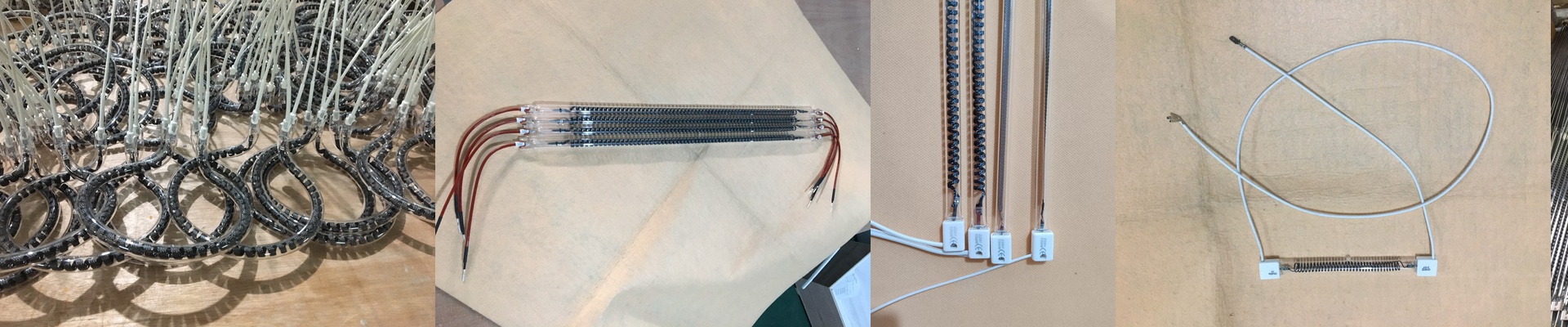
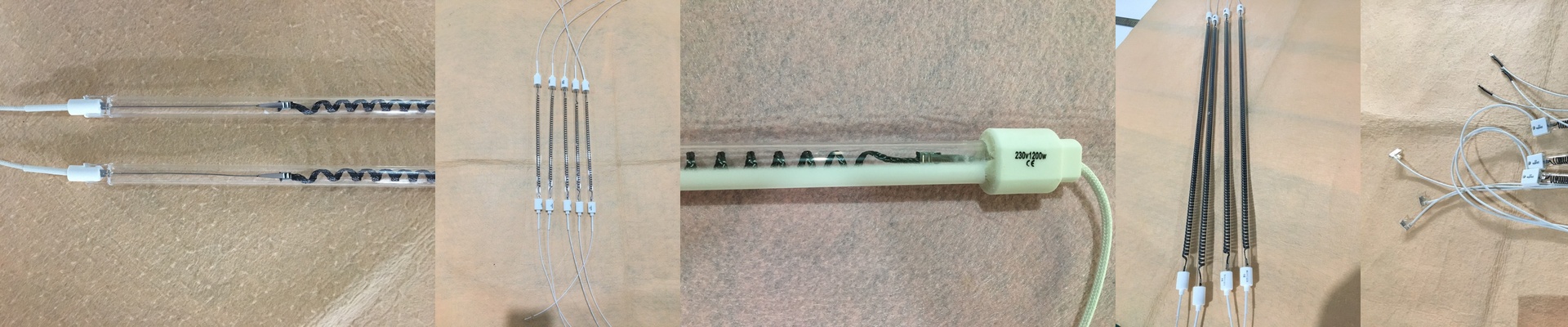
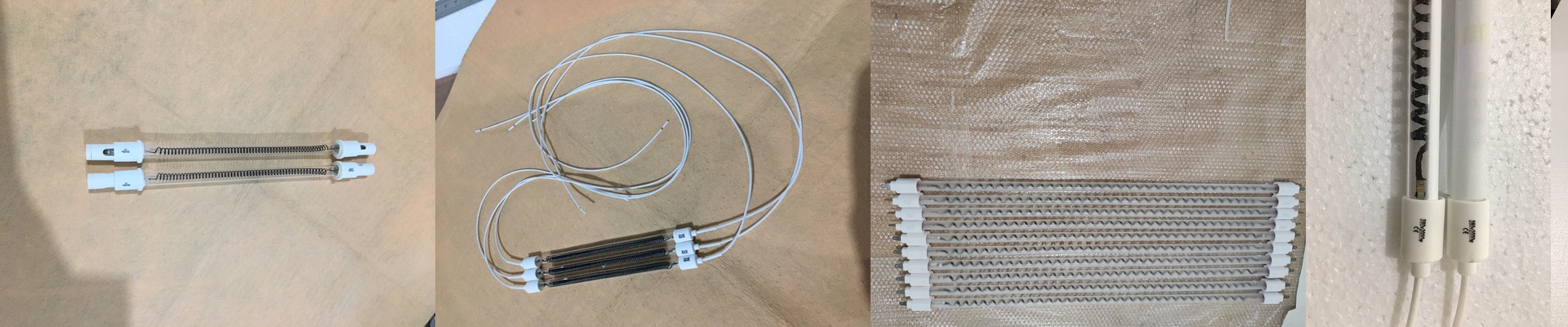
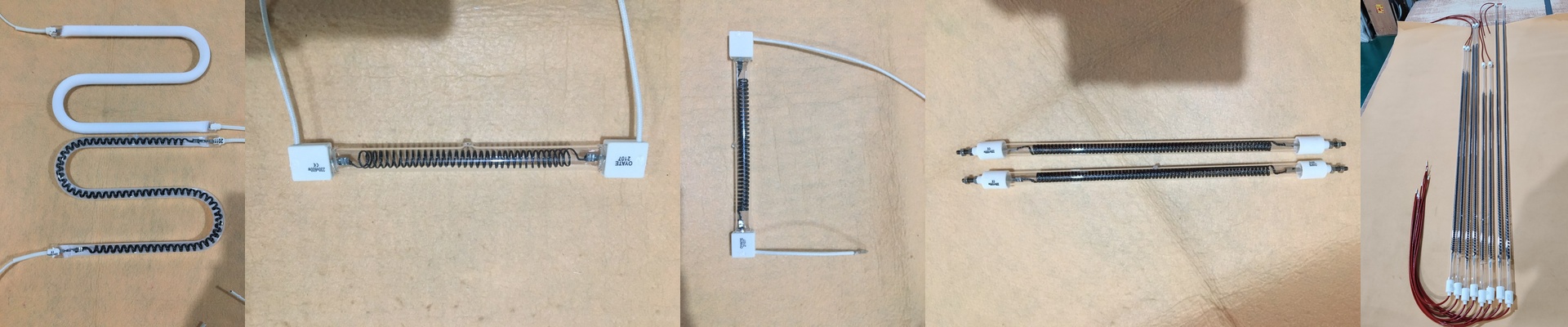
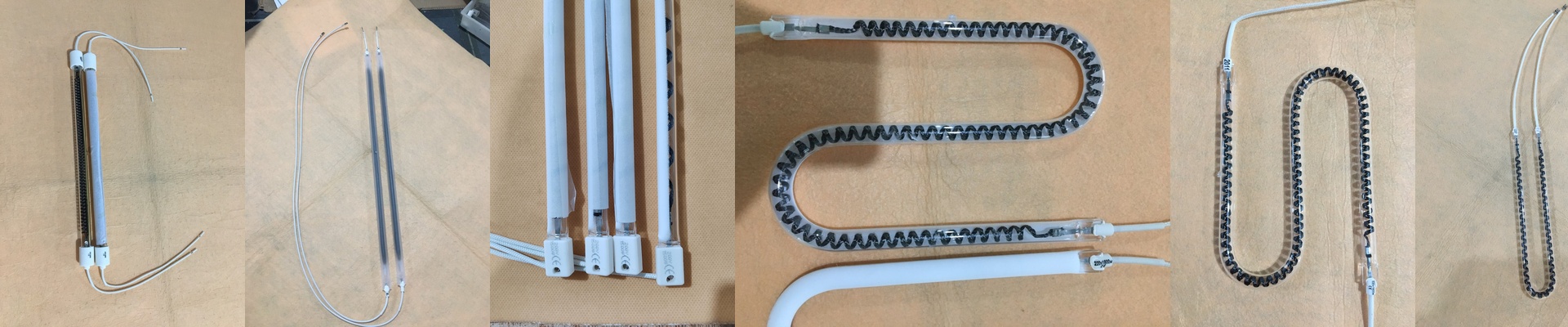
Let’s talk about what makes these heater lamps actually work.
Here’s the setup: we’re talking about a carbon fiber IR heater lamp that’s built for serious industrial heat. Specifically, the 400V, 2500W version on a 300mm quartz tube. It’s fast. Really fast. And the control is tight, which is exactly what you need when you’re trying to get a job done right. Going with higher voltage means the current stays lower for the same wattage. That’s a big win. It lets you use smaller wiring and cuts down on voltage drop, especially over longer runs. And that 300mm length? It keeps the footprint small, so you can squeeze serious heat into tight spots without having to redesign the whole machine.
Inside the build: it’s all about the details.
The heart of it is the carbon fiber filament, tucked safely inside a quartz envelope. It handles high temperatures like a champ and just keeps delivering consistent output. The shortwave IR profile is what makes the magic happen. It puts the energy exactly where you need it—right onto the target material—without wasting time heating up the air around it. And the R7s connector? It’s a simple, double-ended, straight-through design. That means the lamp is a straight-up drop-in replacement for a lot of existing fixtures. You wire it, clamp it, and you’re done. The contact stays solid, even when things heat up and cool down over and over.
Where this thing shines.
This isn’t a delicate piece of equipment. It’s built for environments that take a beating—think PET blowing, thermoforming, or drying lines that need heat, and need it fast. The carbon fiber build resists sagging and those annoying hot spots. So the heat stays even across the whole tube. But here’s the reality check: packing 2500W into a 300mm tube means you’re dealing with serious heat density. So your machine’s cooling and shielding need to be up to the task. You have to be able to manage the ambient temperature and protect the components nearby.
The bottom line: match the lamp to the job.
All that wattage in a short tube gives you intense, directional IR. But it also means the lamp runs hot. So make sure your fixture has enough airflow or the right reflector setup. Double-check that the socket is rated for the lamp’s voltage and wattage. And take a hard look at your duty cycle. Getting the numbers right is how you avoid burning the lamp out before its time.